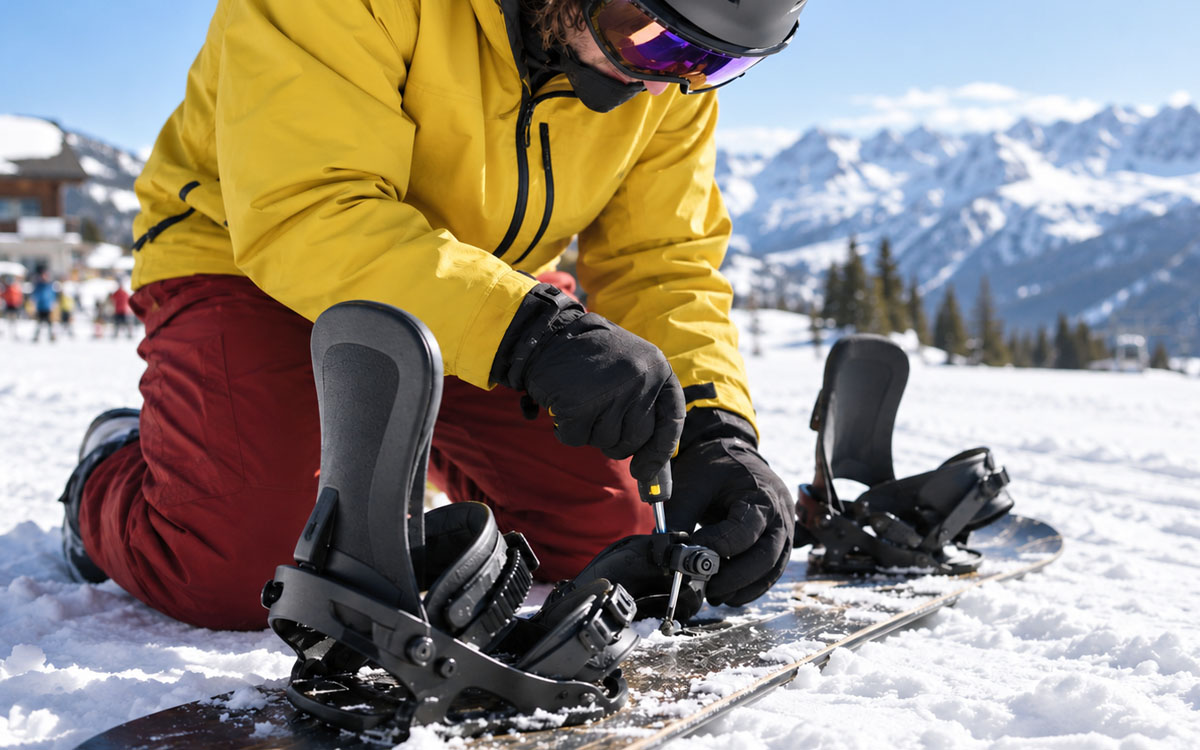
Winter sports are experiencing a massive resurgence across North America. Statistics Canada recently reported that operating revenues for Canadian skiing and snowboarding facilities reached a record high of 1.5 billion dollars, reflecting a renewed passion for the mountains. With the Canadian Ski Council noting approximately 2.8 million active domestic winter sports enthusiasts hitting the slopes annually, resort lines are busy and slope time is precious.
As we approach the new season, riders are looking for smart ways to maximize their time on the snow. Just as reading a smart guide to choosing a visor is crucial for summer comfort, knowing how to select the right winter bindings will drastically enhance your time on the mountain. Proper equipment keeps you comfortable, reduces physical strain, and ensures you spend less time adjusting gear and more time actually riding. Selecting the right seasonal gear, whether it is a specialized visor for summer heat or proper bindings for winter cold, can drastically improve your overall outdoor experience.
Say Goodbye to the Sit-and-Strap Routine
For decades, snowboarders accepted the inevitable routine of getting off the chairlift, sitting in the cold snow, and manually ratcheting their straps. This ritual not only interrupts the flow of the day but also leaves riders with cold hands and wet pants. However, the current retail market shows a strong consumer shift toward quick-release and semi-automatic speed-entry systems.
Modern riders increasingly prioritize active slope time over traditional setups. The latest speed-entry models have evolved to maintain the exact same riding performance and responsiveness as classic two-strap bindings. This eliminates the historical trade-off between convenience and board control. For example, looking into options like flow fuse bindings reveals how automated entry technologies allow riders to simply step in, lock the highback, and instantly start their descent without ever sitting down. Major legacy brands have also recognized this explosive consumer demand for convenience, increasingly licensing automated entry technologies for their upcoming product lines to accommodate riders who want immediate action.
The Physical Benefits of Upgrading Your Gear
Upgrading your setup does more than just save time at the top of the lift. It significantly reduces cardiovascular fatigue and lower-body strain. Eliminating the need to repeatedly sit down in the snow and bend over to manually ratchet straps after every single chairlift ride preserves your energy for the actual descent, allowing for longer days on the slopes.
Furthermore, proper gear selection plays a critical role in joint health and injury prevention. A biomechanical study published by the NCBI demonstrates that the way forces are transferred through your bindings directly affects the amount of stress placed on your ankle and knee joints during a high-stress carved turn. Equipment characteristics, such as boot stiffness and binding alignment, determine whether kinetic forces are safely absorbed or transferred to vulnerable joints. Upgrading to a binding with advanced shock absorption helps mitigate these physical impacts, keeping you on the mountain from the first chair to the final run of the day.
Essential Technologies for the Modern Rider
If you are planning to upgrade your setup this season, there are several key advancements driving the industry forward. The global snowboard gear market is projected to reach a valuation of 1.5 billion dollars over the next decade, driven largely by consumer demand for innovations that enhance comfort and ease of use. When evaluating new equipment, keep an eye out for these specific features:
- Active Strap Technology: This feature automatically lifts the foot straps when the highback is reclined, creating a wider opening for rapid boot entry and exit. Once locked back into place, the system instantly returns to your pre-selected tension, creating a consistent fit that you set once and forget.
- Advanced Cushioning Materials: Look for bindings that utilize dual-layer constructions, such as expanded EVA foam cushioning paired with a durable TPU exoskeleton. This combination provides a comfortable, pressure-free hold over your boot.
- Geometric Webbed Straps: Modern high-end equipment frequently incorporates geometric webbed designs that expand evenly around the boot without stretching the actual material. This improves pressure distribution and minimizes foot fatigue during long days on the mountain.
- Adjustable Flex Ratings: While stiff bindings offer aggressive response, softer flexing baseplates provide a more forgiving ride that reduces foot cramping for casual weekend resort riders.
Making the Most of Your Season
Western Canada recorded its second-highest winter sports visitation on record during a recent season, totaling nearly 9.8 million skier and snowboarder visits. With resorts busier than ever, efficiency on the snow translates directly to more runs and a better overall experience.
Investing in the right equipment transforms your entire day. By moving away from outdated strap-in rituals and adopting modern, supportive technology, you protect your body from unnecessary fatigue. The smart choice is to let your gear do the heavy lifting, allowing you to focus purely on the thrill of the ride and the beauty of the winter landscape.