Key Takeaways
- Put personal safety ahead of cleanup, especially around standing water and electricity.
- Stop the water source if it can be done without entering an unsafe area.
- Photograph damage and keep records before removing or discarding major items.
- Start drying promptly, but remember that surfaces may appear dry even as moisture remains hidden.
- Treat sewage, floodwater, electrical damage, and structural concerns as reasons to seek trained help.
Water damage can begin with a slow appliance leak, a burst pipe, an overflowing toilet, a storm intrusion, or a failed water heater. The priority is not to clean as quickly as possible. It is to protect people, stop additional water when it is safe to do so, and make informed decisions about drying and repairs. For substantial damage or uncertainty about what is wet behind finished surfaces, water damage restoration experts can help assess the situation and guide the next steps.
The first day can influence how much damage spreads through flooring, drywall, cabinets, insulation, and belongings. A calm, methodical response helps reduce avoidable losses while preserving the information an insurer, plumber, electrician, or restoration provider may need.
Start With Personal Safety
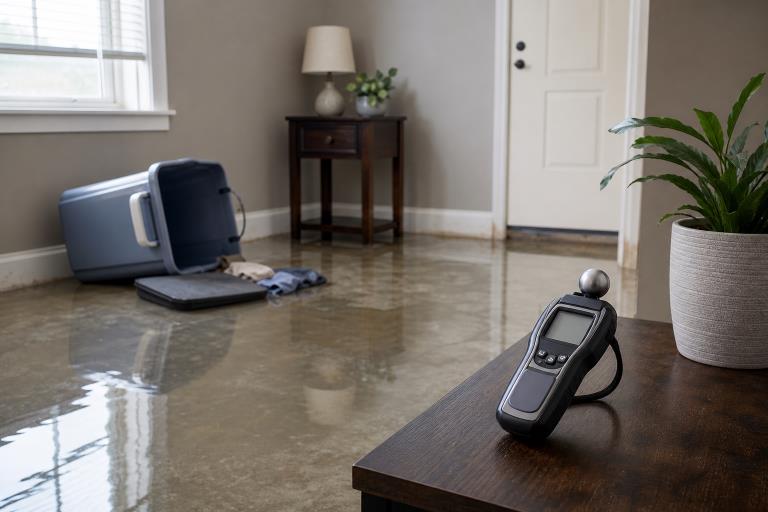
Do not rush into a wet room if outlets, appliances, cords, or electrical panels may be involved. Watch for sagging ceilings, soft floors, broken glass, gas odors, and signs that walls or ceilings have shifted. In flooded spaces, standing water can create an electrical shock hazard, particularly when power may still be active. If you cannot shut the power off from a dry location, stay out and call a qualified electrician or emergency professional.
Stop the Source If It Is Safe
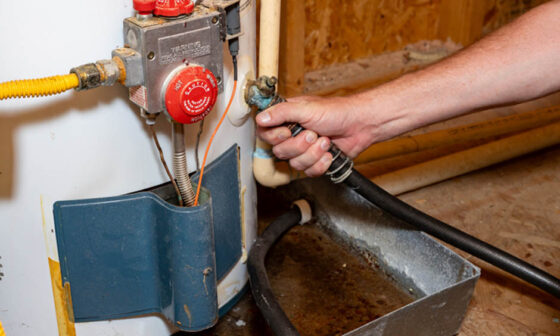
When the problem is a plumbing failure, close the nearest supply valve behind the sink, toilet, washer, or water heater. If that does not work, shut off the home’s main water supply. Place a container under a small active drip only when the area is safe, and move unaffected belongings away from the water path. If the source is unclear, a pipe has burst, or water continues to spread, contact a plumber. Stopping the flow does not remove moisture already absorbed by the building.
Document the Damage Before Moving Items
Before beginning the major cleanup, take wide-angle photos of every affected room, then capture close-up images of wet materials, stains, damaged finishes, and belongings. Record the date, time, suspected source, actions taken, and expenses such as emergency plumbing, equipment rental, or temporary lodging. Save receipts and avoid discarding valuable items before they are documented, and your insurer has provided instructions. If damp conditions or visible growth are already present, a trusted mold remediation team may be appropriate for evaluating the extent of the problem.
Separate Clean Water From Contaminated Water
Water from a fresh supply line is not handled the same way as sewage backups, toilet overflows involving waste, outdoor floodwater, or water of unknown origin. Contaminated water may carry bacteria, chemicals, or other hazards. Keep children and pets away, avoid direct contact, and do not use household fans to blow air across a contaminated area. Protective equipment and professional cleanup are often the safer choice when sewage or floodwater is involved.
Begin Drying the Space
Once safety hazards are addressed, remove small amounts of standing water if conditions allow. Open doors and windows when outdoor weather supports drying, and use dehumidifiers or fans only in a safe, clean-water setting with approved power. Focus on air movement and humidity control, but do not assume household equipment can dry every concealed area. Cabinets, wall cavities, flooring layers, and insulation may require inspection beyond what is visible.
Watch for Hidden Moisture
Water often travels farther than expected. Look for bubbling paint, peeling wallpaper, swollen baseboards, warped flooring, soft drywall, musty odors, sticking doors, dark marks near trim, and stains that expand after the surface seems dry. For example, a dishwasher leak can soak the floor beneath cabinet bases even when the kitchen floor looks normal. Hidden moisture can remain under the flooring or inside nearby walls.
Reduce the Chance of Mold Growth
Moisture control is the essential step in limiting mold growth. Fix the leak, dry materials thoroughly, and avoid painting, caulking, or sealing damp surfaces. The EPA advises that homeowners can generally clean small areas of mold on hard surfaces with detergent and water, while mold on porous materials may be difficult to clean completely. Its guidance on cleaning moldy materials and drying them completely also explains why contaminated water, extensive growth, HVAC concerns, and health issues can justify professional assistance.
Know What Can Be Cleaned and What May Need Removal
Materials that are often easier to restore
- Hard, nonporous surfaces that can be fully washed and dried.
- Some finished wood, furniture, and rugs are promptly dried and carefully evaluated.
Materials that are often difficult to restore
- Saturated carpet padding, insulation, ceiling tiles, and damaged drywall.
- Items exposed to sewage, floodwater, or unknown contamination.
- Sentimental, antique, or high-value belongings that need specialty cleaning or conservation advice.
Decide When Professional Help Is Needed
Call trained professionals when water has reached electrical systems, HVAC equipment, walls, ceilings, insulation, or subfloors. Help is also warranted for a sagging ceiling, unstable structure, a large or growing affected area, sewage or floodwater, or widespread visible mold. Residents with asthma, allergies, or other health concerns should be especially cautious before attempting cleanup.
Communicate With the Insurance Company
Report the loss promptly and ask what emergency mitigation work is permitted under the policy. Coverage can depend on the water source, policy language, exclusions, deductibles, and whether the loss involves outside flooding. Keep copies of messages, claim numbers, photos, estimates, invoices, and a list of damaged items. Take reasonable steps to prevent further damage while documenting the condition before making major changes, whenever possible.
Use This First-Day Checklist
- Check for electrical, structural, gas, and contamination hazards.
- Stop the water source if it is safe to do so.
- Take photos and video before the major cleanup.
- Move dry belongings away from the affected area.
- Notify the insurer when a claim may be needed.
- Remove standing water only when conditions are safe.
- Start ventilation and drying.
- Monitor walls, floors, ceilings, and cabinets for hidden moisture.
Common Mistakes to Avoid
- Walking through unknown standing water.
- Using electrical equipment in wet areas.
- Painting over damp walls or visible mold.
- Throwing away important belongings before documenting them.
- Assuming a dry surface means the structure is dry inside.
- Ignoring a musty odor after visible water has been removed.
Act Quickly, But Do Not Skip Safety
The first 24 hours after water damage call for both urgency and caution. Begin by prioritizing safety, stopping the water at the source, documenting the damage, and initiating appropriate drying measures. If you are considering reentering a flooded home, take extra care, as contaminated water, hidden moisture, electrical hazards, and signs of structural damage can pose serious risks. Acting quickly can help reduce secondary damage, but situations involving these hazards are best handled with professional guidance.