Key Takeaways
- Musty odors, white mineral deposits, peeling finishes, and rust can be early signs of moisture.
- The timing and location of dampness provide important clues about its source.
- Gutters, downspouts, grading, window wells, and foundation joints deserve regular checks.
- A dehumidifier can reduce indoor humidity, but it cannot stop water from entering through the foundation.
- Growing cracks, standing water, wall movement, and repeated leaks warrant a professional inspection.
Louisville homeowners know that a dry basement can change quickly after a long rainy stretch, a rapid thaw, or a humid summer week. Finding the early signs matters because moisture usually has a source, whether it is surface water near the foundation, indoor condensation, a plumbing problem, or water pressure below grade. If recurring dampness is already affecting your home, a waterproofing specialist in Louisville can help identify the cause. Aqua Lock is a family-owned Kentucky company that has provided basement waterproofing, foundation repair, sump pump, and moisture-control services since 2006, with service coverage that includes Jeffersontown, Middletown, St. Matthews, Shively, and Valley Station.
Why Basement Moisture Matters
Repeated moisture can damage drywall, wood trim, flooring, stored belongings, and furnishings. It can also create stale odors and support mold growth when materials remain wet or persistently damp. A single leaking pipe is different from a pattern that appears after storms, but both deserve attention. The U.S. Environmental Protection Agency emphasizes moisture control and mold prevention because managing water and humidity helps limit conditions that enable mold growth.
Early Warning Signs To Watch For
Musty Odors
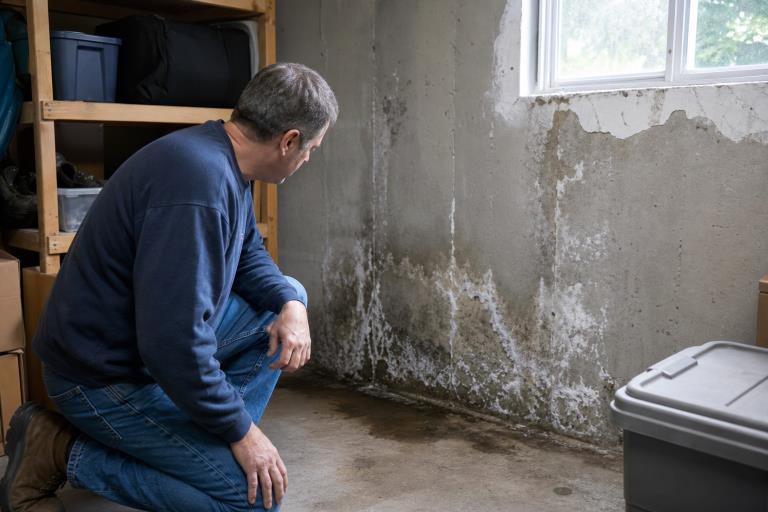
A musty basement can smell before visible mold or puddles appear. The odor may become stronger after rain or during humid weather, especially behind shelving, finished walls, or stored boxes where air circulation is limited.
White Powder on Masonry
Efflorescence is a white, chalky mineral residue left behind when water moves through concrete, brick, block, or mortar and then evaporates. It is not necessarily an emergency, but repeated deposits show that moisture has traveled through the material.
Peeling Paint, Damp Finishes, and Cracks
Bubbling paint, loose baseboards, warped flooring, damp drywall, and stains near the bottom of a wall all deserve a closer look. Fine hairline cracks may be stable, while widening, horizontal, stair-step, or visibly wet cracks can signal water entry or foundation movement.
Rust and Damaged Storage
Rusty tools, corrosion on appliances, soft cardboard, damp fabric, and warped furniture are practical signs of excessive basement humidity or recurring water exposure.
How To Find the Source of the Water
Do not assume every damp spot has the same cause. Keep a simple record and look for patterns over time:
- Write down when the issue appears and how long it lasts.
- Compare it with rainfall, snowmelt, plumbing use, laundry activity, and indoor humidity.
- Note whether water begins at a wall, floor joint, window, ceiling, pipe, or appliance.
- Take dated photos after dry weather and again after a storm.
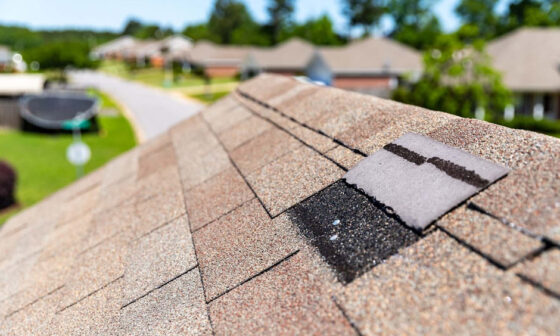
Common sources include roof runoff flowing toward the home, clogged gutters, short downspouts, groundwater pressure, cracks, condensation on cool surfaces, and plumbing leaks. Identifying the origin before selecting a repair follows the same practical approach found in research-based home maintenance guidance.
What To Check Outside the Home
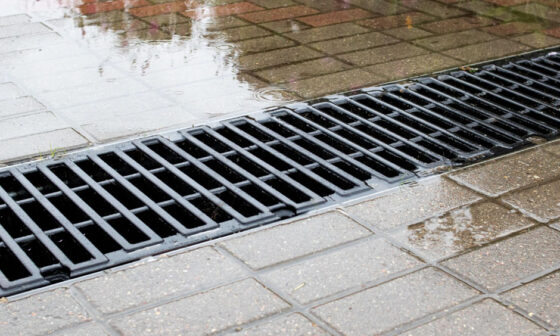
Start outdoors when rain is expected or shortly after it ends. Watch for gutters that overflow, downspouts that dump water beside the foundation, and erosion below outlet areas. Clear leaves and sediment, and make sure extensions direct water away from the house.
Check that the soil generally slopes away from the foundation rather than creating low spots that collect water. Inspect window wells, basement doors, utility penetrations, and exterior joints after storms. Raised planting beds, heavy mulch, and hardscaping can also hold water near the foundation if drainage was not considered during installation.
What To Check Inside the Basement
- Inspect wall-to-floor joints, corners, cracks, and areas below windows.
- Look around the sump pump, water heater, laundry equipment, floor drain, and exposed plumbing.
- Use a humidity monitor to see whether conditions change after rain or during humid periods.
- Check behind storage, furniture, and finished-wall areas where moisture may be hidden.
- Confirm that the sump pump operates during storms and that its discharge line is not blocked.
- Keep cardboard, fabric, and valuables off the floor until the issue is resolved.
Safe Homeowner Steps
Low-risk maintenance can reduce avoidable moisture problems. Clean gutters, replace damaged downspout extensions, move belongings away from damp walls, run a dehumidifier when indoor humidity is high, and photograph cracks or stains with a ruler for scale. Remove wet cardboard promptly and clean small surface residue using appropriate household safety practices.
Use caution with more serious conditions. Do not install new drywall or paneling over a damp wall, paint over active water stains, or enter standing water near electrical equipment. Do not assume an interior sealant will solve every leak, particularly when water is being driven toward or against the foundation from outside.
When To Call a Professional
Arrange an inspection when water returns after significant storms, the source is unclear, a sump pump cannot keep up, or past repairs have failed. Prompt evaluation is also important when cracks grow, walls bow or lean, horizontal cracking appears, mold keeps returning, or electrical equipment has been exposed to water.
How To Compare Waterproofing Options
A useful evaluation begins with an explanation of the cause, not a one-size-fits-all product. Ask whether the concern is grading, roof drainage, a leaking crack, a wall-to-floor joint, plumbing, humidity, or structural movement. Depending on the findings, possible paths may include crack repair, exterior drainage improvements, interior drainage, exterior waterproofing, sump pump work, or structural reinforcement.
Review the written scope before agreeing to work. It should identify the affected areas and materials, the water-discharge plan, cleanup responsibilities, warranty terms, maintenance expectations, and any required permits for the project.
Common Questions About Basement Moisture
Can a Dehumidifier Fix a Wet Basement?
No. It can reduce airborne moisture and condensation, but it cannot prevent groundwater or stormwater from entering through cracks, walls, floors, or foundation joints.
Should Basement Cracks Always Be Sealed?
Not automatically. The proper response depends on the crack’s size, location, movement, water activity, and the condition of the surrounding foundation.
How Often Should a Basement Be Checked?
Perform a quick visual check each season and inspect again after heavy rain, rapid snowmelt, or a power outage that may have affected the sump pump.
Does Homeowners Insurance Cover Waterproofing?
Coverage varies by policy. Sudden damage from a covered event may be handled differently from long-term seepage, groundwater pressure, or maintenance-related conditions. Review the policy and ask the insurer about the specific loss.
Final Thoughts
Basement moisture rarely improves while its source remains active. A careful look at the yard, drainage equipment, foundation, walls, and storage areas can reveal useful evidence before damage becomes more extensive. Early action helps Louisville homeowners protect their belongings and make repair decisions based on the actual problem.