Australia’s residential rental market is experiencing unprecedented demand in early 2026. With the national vacancy rate hovering at a critical low of 1.0 percent, many homeowners are weighing the lucrative potential of converting their primary residence into an investment property. Balancing capital growth with immediate rental yield is a key consideration for new investors. Regional markets are proving particularly robust in this regard. For instance, driven by high tenant demand and a localised housing shortage, Townsville’s rental vacancy rate dropped to an extremely tight 0.91 percent, pushing median weekly house rents to between $540 and $580. However, transitioning from an owner-occupier to a successful landlord involves much more than simply moving out and handing over a set of keys. It requires a deliberate shift in mindset from homeowner to business operator.
Understanding Legislative Changes and Compliance
Before you can welcome new tenants, you must ensure your property meets strict state regulations. Recent updates to Queensland legislation, for example, mandate strict minimum housing standards. This means all rental properties must have functioning locks, privacy window coverings in bedrooms, and completely weatherproof structures. Falling short of these standards has serious consequences. According to the Residential Tenancies Authority rental premises use condition and repairs fact sheet, property owners are legally obligated to ensure premises meet these minimum standards throughout the tenancy. Furthermore, landlords must promptly address any emergency repairs, which now include failures to meet basic housing standards.
Furthermore, rent increases are heavily regulated across the country. In Queensland, rent can only be increased once every 12 months per property. The 12-month clock does not reset even if a completely new tenant signs a lease. Illegally raising the rent more frequently can result in fines exceeding $3,200. Understanding these nuances is critical to maintaining a compliant and profitable investment.
Navigating Tenant Administration and Stress
Managing a rental property requires significant time, excellent communication skills, and a thorough understanding of local tenancy laws. From screening potential renters and checking references to handling late-night maintenance requests, the day-to-day workload can quickly become overwhelming for first-time investors. Thorough entry condition reports with hundreds of photographs are now the industry standard to protect both parties. Additionally, strict laws explicitly ban practices like rent bidding, making it a severe offence to solicit or accept offers above the publicly advertised price.
To mitigate these risks and ensure total compliance, many investors choose to engage professional property management services to oversee their portfolio. A dedicated agency takes the emotion out of the process, handling everything from routine inspections and ledger management to lease renewals and tenant dispute resolution. This expert oversight protects you from costly legal pitfalls while ensuring your tenants are well supported throughout their lease.
Strategies to Maximise Your Rental Yield
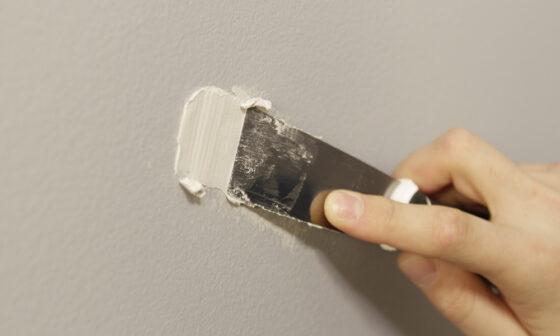
Once compliance is sorted, the next major focus is optimising your return on investment. Minor cosmetic updates, such as a fresh coat of paint, modernised lighting, updated kitchen fixtures, or new carpets, can significantly boost your weekly asking price and attract higher-quality tenants who are likely to treat the home with respect.
For those with larger blocks of land, constructing a secondary dwelling is an incredibly effective way to increase cash flow without purchasing a second property. If you are considering this route, reviewing resources like this comprehensive guide on understanding granny flats Sydney prices can help you accurately weigh the initial construction costs against the potential long-term rental income. Whether you add a complete granny flat, upgrade the outdoor entertaining area, or simply install split-system air conditioning in the bedrooms, strategic upgrades ensure your property remains competitive in a tight market.
Managing Tax Implications and Finances
Turning your family home into a rental changes its tax status, which introduces both financial benefits and new reporting obligations. The Australian Taxation Office places high scrutiny on rental deductions, particularly following their 2026 compliance directives that require precise, professional ledger management. Fortunately, many of the costs associated with running a rental property can be legally claimed at tax time, significantly improving your cash flow.
Key tax-deductible expenses for Australian investors include:
- Professional advertising costs required to find a new tenant.
- Landlord insurance premiums that protect against accidental property damage or loss of rent.
- Council rates and water charges incurred while the property is actively available for rent.
- Fees paid to your property manager for administration and lease management.
- Depreciation of plant and equipment, such as ovens, blinds, and carpets, if assessed by a qualified quantity surveyor.
Keep in mind that precise record-keeping is vital. For example, any tenant bond money legally retained to cover a final month of unpaid rent must be declared as taxable income in the exact financial year it is received.
Transforming your Australian home into a profitable rental requires careful planning, strict adherence to legislation, and smart financial management. By understanding your legal obligations, making strategic property improvements, and leveraging expert help, you can seamlessly turn your family home into a stress-free, income-generating asset for years to come.