There is something fascinating about peeling back the layers of an older home and seeing what has been there all along. Removing drywall, flooring, siding, or other finishes can uncover details that tell the story of how the house was originally built. For homeowners considering a renovation, working with a custom home builder in Western North Carolina can help make sense of those discoveries and determine what is worth preserving. These exposed elements can reveal both challenges and opportunities that are easy to miss when everything is covered up. In many cases, understanding a home’s original bones is the first step toward creating a renovation that feels intentional and built to last.
What Back to Brick Really Means
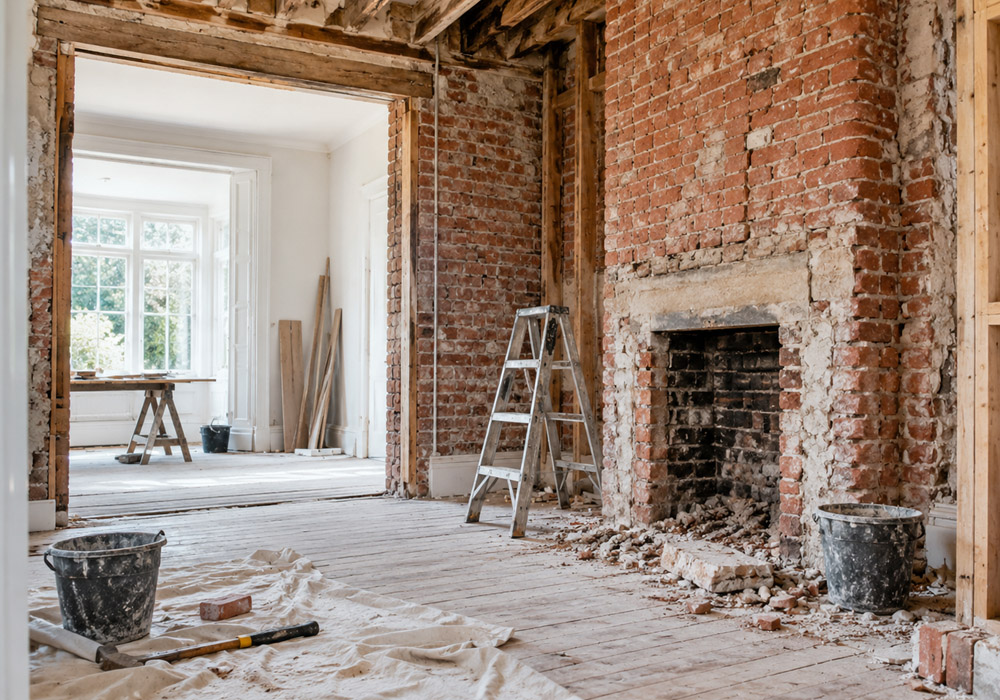
Taking a home back to brick means removing layers of newer finishes to uncover the original walls, framing, masonry, and other construction details underneath. It gives homeowners a clearer look at what the house was built with and how it has changed over the years. This kind of exposure can make it easier to understand the home’s existing structure before deciding what to repair, preserve, or change.
What You Can Learn from Exposed Walls
Removals or exposed walls can uncover things like original framing, brickwork masonry, and other construction details that are often hidden from plain sight behind comfortable finishes. They can illustrate areas where additional rooms were incorporated, where walls were adjusted, or where previous work was patched up, providing homeowners with a clearer understanding of the home’s history.
Understanding a Home’s Original Bones
The as-built skeleton of a house describes the foundation, framing, roof structure, load-bearing walls, and other elements that define the shape and form of a house. Knowing the original skeleton can guide the homeowner in identifying what elements are flexible to alter and what must stay put, aiding the design process by offering a starting point. Additionally, understanding the structure will also help a luxury home builder decide the best way to go with any needed renovations.
Surprises Hidden Behind the Finishes
Once walls, floors, and other finishes come away, a home can sometimes tell a very different story than expected. A closer look may uncover anything from old repairs to outdated systems that can affect how the renovation moves forward. Here are some:
Unexpected Structural Conditions
An exposed framing can show hidden damage, changes, or build techniques that the renovation was not aware of before beginning. Some walls have been added extra load bearing weight than what they originally had; some may have been built during the last project. Detecting this early allows the renovation crew the chance to rectify these problems before they become worse.
Older Electrical and Plumbing Systems
Homes that have been renovated over several decades may contain a mixture of old and newer electrical or plumbing components. Once finishes are removed, it becomes easier to see how these systems were installed and whether they fit the needs of the updated home. Discovering outdated components early can help homeowners plan necessary improvements instead of having them become unexpected issues later.
Signs of Previous Repairs
A wall might show past repairs, such as patched framing, e replaced bricks, or signs of long-term water damage. Information revealed in a house’s past repairs can give useful indications of issues the house has had to deal with and how they were dealt with. Having this information can help inform whether maintenance should be done on an existing repair, tailored to that particular situation, or a new approach taken.
Hidden Materials and Construction Details
The original brick, timber, stone, or other materials of an older building may be hidden behind earlier modifications, but are sometimes visible and may be of interest and a feature in themselves once cleaned up and made part of the design. Only an expert’s opinion can determine whether they can be left exposed.
Why Original Materials Matter
Original brick, timber, stone, and many other finishes can add a unique character to a home that’s hard to emulate with newer products. Retaining these when they are in good order can add visual interest and help pay homage to the house’s history. Modernisation still can be done sensitively to allow original finishes to sit comfortably next to modern ones.
How Exposure Can Change a Renovation Plan
Once the original structure is exposed, the renovation plan may need to change based on what is actually found behind the finishes. Issues with framing, masonry, plumbing, or other systems can affect the scope, timeline, and budget of the project. Staying flexible allows homeowners and their renovation team to respond to these discoveries while keeping the overall goals of the project in focus.
Balancing Character with Modern Living
Renovating an older home does not mean giving up the features that make it feel unique and full of character. Original brick, wood, stone, and architectural details can often be paired with updated kitchens, bathrooms, lighting, insulation, and modern systems. The goal is to create a comfortable, functional space where the home’s history still feels like part of the finished design.
When Professional Guidance Becomes Important
Once a renovation exposes the home’s original structure, professional guidance can help determine which elements are safe to preserve and which may need repair or replacement. A custom home builder professional can also help evaluate structural discoveries and coordinate renovation decisions with the home’s overall design and goals. This experience can be especially useful when older materials, complicated framing, or major structural changes are involved.
Conclusion
Taking a home back to brick can reveal much more than old walls and construction materials. It can uncover the original bones, past repairs, and unique details that help shape smarter renovation decisions. With the right planning and guidance from a custom home builder in Western North Carolina, those discoveries can become part of a home that respects its history while meeting modern needs.