Key Takeaways
- Indoor-outdoor spaces work best when the rooms share a clear purpose, visual rhythm, and easy walking paths.
- In Newport Beach, shade, salt-air durability, water-conscious landscaping, and low-glare lighting deserve early attention.
- Comfortable seating, useful tables, and weather protection often matter more than filling every corner with décor.
- Small patios, balconies, and courtyards can feel generous when furniture is scaled carefully, and the center remains open.
- A thoughtful plan helps an outdoor area support breakfast, reading, entertaining, and quiet evenings throughout the year.
Table of Contents
- Why Indoor-Outdoor Design Works in Newport Beach
- Start With the Layout
- Create Visual Flow Between Spaces
- Choose Materials for Coastal Daily Use
- Add Shade, Seating, and Weather Protection
- Use Lighting to Extend the Evening
- Make Small Outdoor Areas Work Harder
- Avoid Common Design Mistakes
- A Simple Planning Checklist
- Questions Readers May Have
- Conclusion
In Newport Beach, California, an indoor-outdoor living space can make everyday routines feel more relaxed, whether the home overlooks the harbor, sits near the Back Bay, or occupies a compact coastal lot. Start by considering how adjacent rooms already function, then select pieces that support rest and easy transitions, including bedroom furniture in Newport Beach, CA that complements the calm, layered look of a coastal home.
The most successful designs do not treat the patio, deck, or porch as an afterthought. They create a practical extension of the home, with places to sit, set down a drink, gather for a casual meal, and enjoy the changing light that gives Newport Beach evenings their distinct atmosphere.
Why Indoor-Outdoor Design Works in Newport Beach
A connected living area can make the home feel more open without adding square footage. When sightlines continue from a living room toward a furnished terrace or garden, the eye reads both areas as part of one experience. That flexibility is especially useful for Newport Beach households that want a space for morning coffee, weekend visitors, remote work breaks, or an unhurried dinner outdoors.
Start With the Layout
Plan circulation before shopping for furniture. Measure doors, steps, railings, and the route from the kitchen or main seating area to the exterior. Keep the most-used path clear, and leave enough room for people to move around chairs without squeezing past them. Arrange seating in a conversational grouping rather than lining every piece up toward a single view.
Create Visual Flow Between Spaces
Visual continuity does not require matching every finish exactly. Repeat a few colors, wood tones, woven textures, or metal finishes on both sides of the doorway. If you are comparing furniture stores in Newport Beach, CA, look for pieces with proportions that feel compatible with the interior room, rather than choosing outdoor furniture that appears oversized or overly formal for the setting.
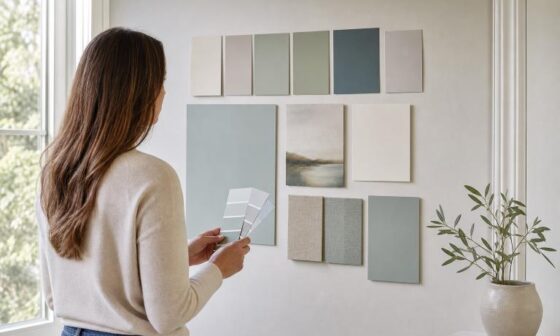
Use a simple palette as the bridge. Sand, soft blue, muted green, warm white, and charcoal can connect an interior to the beach, bay, or garden without turning the space into a literal nautical theme. Rugs, planters, throw pillows, and artwork visible through the doorway can carry that palette across the threshold.
Choose Materials for Coastal Daily Use
Newport Beach outdoor areas benefit from materials chosen for sun, moisture, sand, and regular use. Select outdoor-rated fabrics that can be cleaned easily, and choose tables and seating with finishes suited to exposure. Wood may need periodic care, while metal pieces should be inspected for wear and finish damage. Underfoot, prioritize stable surfaces with traction, particularly near pools, outdoor showers, or paths that may become wet.
Landscaping should also fit the setting. The City of Newport Beach asks residents to follow water-saving and runoff-conscious landscape practices, so grouping plants with similar watering needs and avoiding unnecessary overspray can support a polished outdoor room with less waste.
Add Shade, Seating, and Weather Protection
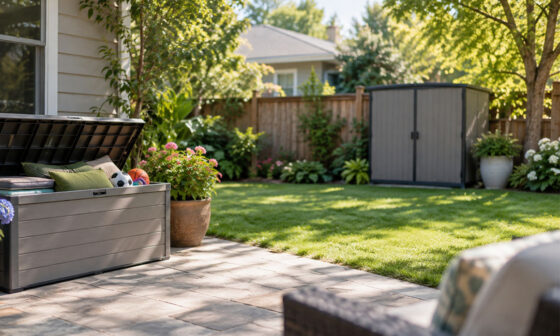
Comfort determines whether an exterior space becomes part of daily life. A covered patio, pergola, umbrella, canopy, or carefully placed planting can soften direct afternoon sun. Add seating that invites people to linger, plus side tables for glasses, books, phones, and serving dishes. Quick-drying cushions, washable textiles, and a nearby storage bench make the area easier to maintain.
A modest covered patio with a sofa, two lounge chairs, a small table, and warm lighting may serve a household better than a large uncovered expanse. On breezy days, screens, curtains designed for outdoor use, or a protected seating angle can make the space feel more settled without closing it off from the air.
Use Lighting to Extend the Evening
Layered lighting makes an outdoor room safer and more inviting after sunset. Use clear illumination near stairs, thresholds, and changes in elevation. Then add softer light over dining or lounge areas, with wall fixtures, shaded lamps, or discreet overhead lighting where appropriate. Accent lighting can draw attention to a planter, mature tree, or textured wall, but restraint is important. The goal is a relaxed coastal glow, not glare.
Make Small Outdoor Areas Work Harder
Balconies, narrow patios, and courtyard corners can still become highly useful. Choose nesting tables, folding chairs, benches with storage, or a compact dining set instead of large sectional seating. Keep the middle open, use wall-mounted or vertical planting where suitable, and choose one focal point such as a sculptural planter or patterned outdoor rug.
For homes near the water in Newport Beach, maintenance habits matter as much as design. The City’s guidance on preventing stormwater pollution reinforces the value of keeping cleaning products, debris, and wastewater out of streets and storm drains. A tidy storage plan for garden supplies and outdoor accessories supports that effort.
Avoid Common Design Mistakes
- Buying before measuring: Large furniture can block doors and reduce useful circulation.
- Ignoring shade: Even a beautiful patio may go unused when there is no relief from direct sun.
- Using only one bright fixture: A single light can create glare while leaving other areas too dark.
- Forgetting storage: Cushions, throws, and serving items need a protected place between uses.
- Overdecorating: Too many small accessories can crowd a compact deck, balcony, or courtyard.
A Simple Planning Checklist
- List the activities the space should support.
- Measure the area, entries, and circulation routes.
- Observe sun, shade, wind, and privacy at different times of day.
- Choose a focused color and material palette.
- Select the main seating and tables first.
- Add shade, storage, and weather protection.
- Plan safety lighting and softer evening lighting.
- Finish with plants, textiles, and personal details.
Questions Readers May Have
Does indoor-outdoor design require a major remodel?
No. Better furniture placement, coordinated colors, shade, lighting, and a cleaner route to the exterior can create a stronger connection without structural work. Larger renovations may add wider openings or covered areas, but they are not the only path to a more usable space.
How can an outdoor space feel connected without looking identical to the interior?
Repeat selected details instead of copying the whole room. Similar tones, textures, furniture scale, and lighting finishes create continuity while allowing the outdoor area to have its own personality.
What makes an outdoor room useful in cooler weather?
Covered areas, wind protection, outdoor-rated textiles, appropriate heat sources, and warm lighting can make the setting more comfortable. Any electrical, heating, or structural addition should be selected and installed with local safety requirements in mind.
Conclusion
A comfortable indoor-outdoor living space in Newport Beach begins with realistic planning. Clear paths, durable materials, shade, layered lighting, and seating that welcomes people to stay will do more for daily enjoyment than a crowded collection of accessories. When the design reflects the home’s routines and the coastal environment of Newport Beach, the area can become one of the most enjoyable rooms in the house.