Every home changes over time. Rooms that once felt fresh begin to look tired, small drafts become harder to ignore, and fixtures that worked well for years start to show their age. Planning upgrades with care helps homeowners spend their money where it matters most.
The best improvements make daily life more comfortable, give the property a cleaner and more inviting look, and protect its value for years to come. Knowing where to begin, which projects deserve priority, and how each choice fits the bigger picture can turn a long wish list into a clear and practical plan.
Starting With the Parts of the Home That Work Hardest
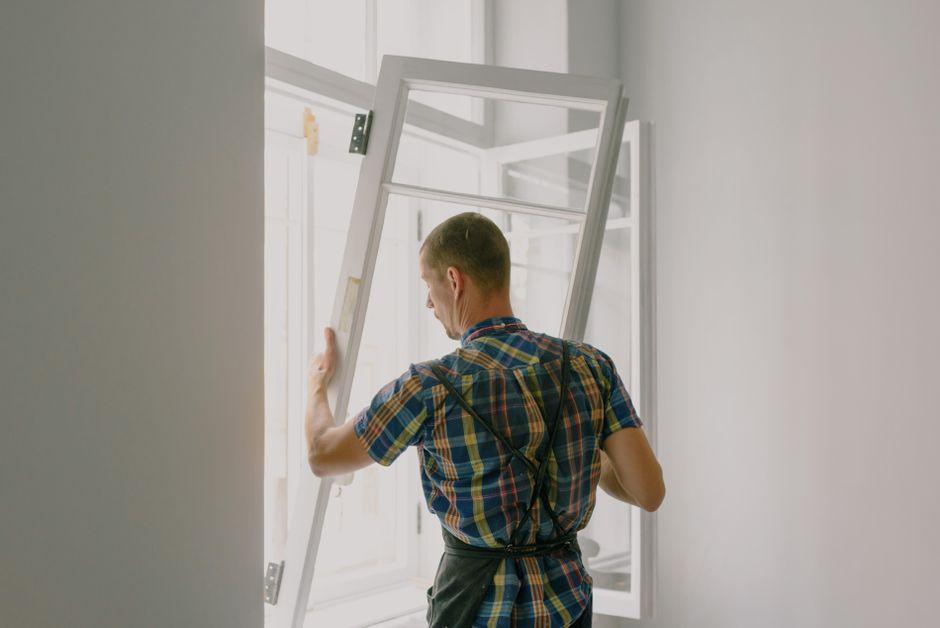
Some parts of a house carry more of the daily load than others, and they usually wear out first. The windows in an older home are a common example, since worn seals and aging frames let in drafts, raise heating and cooling costs, and make rooms feel less comfortable through each season.
Replacing them through an experienced remodeling company is one of the most practical ways to solve that problem while refreshing the look of the home. Many homeowners choose Windows Direct USA, a family-owned company that offers energy-efficient windows, entry and patio doors, and bathroom remodeling with a free consultation and precise in-home measurements. The result is a home that holds its temperature better and feels noticeably calmer from one season to the next.
Setting Clear Priorities Before Spending
A good upgrade plan starts with honest priorities. Homeowners often have a long list of ideas, but not every idea carries the same weight. Repairs that protect the structure, keep out moisture, or improve safety should come before purely decorative changes. Once those needs are covered, attention can shift to projects that improve comfort and style.
Writing down every desired improvement and sorting it into three groups can help. The first group covers urgent needs. The second covers changes that would make daily life easier. The third covers ideas that would be nice to have someday. This simple exercise keeps spending focused and prevents money from going into finishing touches while a bigger problem waits.
Thinking About Comfort Throughout the Year
Comfort is one of the main reasons people upgrade their homes. A house that stays warm in winter and cool in summer is more pleasant to live in and less costly to run. Drafty rooms, uneven temperatures, and high utility bills are often signs that the home is losing air in places it should not.
Improving insulation in the attic and walls, sealing gaps around frames and openings, and keeping heating and cooling equipment in good working order all help. Ceiling fans, good curtains, and well-placed shade trees can also make a real difference. Each of these steps supports the others, so a home that combines several of them usually feels far more comfortable than one that relies on a single fix.
Improving the Look of the Home Inside and Out
Appearance shapes how a home feels to the people who live there and how it looks to everyone who passes by. The outside of the house creates the first impression, so fresh paint, clean siding, a welcoming front entrance, and tidy landscaping can lift the whole property. Small details such as new house numbers, updated lighting, and a neat walkway add to that effect without a large budget.
Inside, the kitchen and bathrooms tend to draw the most attention. Updating worn surfaces, replacing dated fixtures, and improving lighting can make these rooms feel brighter and more modern. Neutral colors and timeless finishes usually age better than bold trends, which helps the home stay attractive for longer.
Protecting Long-Term Property Value
Not every upgrade adds the same value to a home. Projects that improve function, efficiency, and durability tend to hold their worth better than highly personal design choices. Buyers often look for homes that feel well cared for and ready to live in without major work.
Keeping up with regular maintenance is one of the simplest ways to protect value. Cleaning gutters, checking the roof, servicing heating and cooling systems, and fixing small leaks quickly can prevent costly damage later. A home with a steady record of care often makes a stronger impression than one with a few showy features and hidden problems.
Choosing quality materials also matters. Products that last longer and need less upkeep save money over time and give future buyers more confidence. Keeping receipts, warranties, and records of completed work can make that care easy to show when the time comes to sell.
Planning a Realistic Budget and Timeline
Even the best plan can go off track without a clear budget. Setting a spending limit for each project and adding a small cushion for surprises helps keep costs under control. Older homes in particular can reveal hidden issues once work begins, so some flexibility is wise.
Timing matters as well. Some projects are easier to complete during certain parts of the year, while others can be done in any season. Spreading larger upgrades over several months or years can ease the financial strain and allow each project to receive proper attention.
Choosing Upgrades That Fit Your Lifestyle
The most rewarding improvements are the ones that match how people actually live. A growing family may value extra storage and durable surfaces, while someone who works from home may care most about a quiet, well-lit workspace. Older homeowners might focus on safety features such as easier entry, better lighting, and slip-resistant floors.
Thinking about future needs is also helpful. Changes that make a home easier to move through and maintain can serve its owners well for many years. When each upgrade supports comfort, appearance, and lasting value together, the home becomes a better place to live today and a stronger investment for tomorrow. Careful planning now keeps every future project simpler, calmer, and far more rewarding.