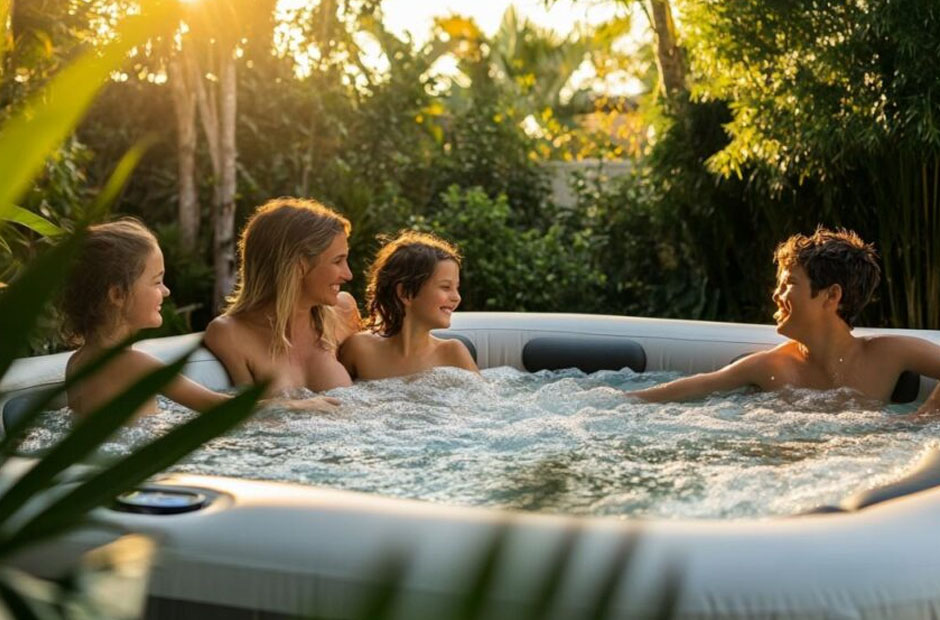
For many people, the dream of having a spa at home is appealing. The thought of relaxing in warm, bubbling water after a long day sounds like a luxury reserved for the wealthy. However, the reality of traditional, built-in spas often involves high installation costs, complex construction, and a permanent commitment to a specific spot in the yard.
This is where the inflatable spa steps in as a practical alternative. It delivers a similar experience but removes many of the traditional barriers to entry. The modern spa is designed with user convenience as its primary focus, making hydrotherapy accessible to almost anyone with a small patch of outdoor space.
The Simplicity of Setup
One of the most significant advantages of an inflatable spa is how easy it is to get it up and running. A person does not need to hire a contractor or obtain building permits for this type of purchase. The process generally involves taking the unit out of the box, placing it on a level surface, and inflating the walls with a provided pump. Once the frame is firm, the user simply fills it with a garden hose and turns on the heating and filtration system. What once seemed like a major home renovation project becomes a manageable weekend activity. This straightforward setup means the relaxation can begin much sooner than anticipated.
Affordability and Accessibility
The lower price point removes a major obstacle for many households. Traditional spas can cost tens of thousands of dollars, placing them out of reach for the average family. In contrast, an inflatable model offers a similar sensation of warmth and massage for a fraction of the cost. This affordability opens up the market to renters, first-time homeowners, and those who prefer to allocate their funds to other areas of life. It allows a broader audience to enjoy the physical benefits of warm water therapy without the long-term financial commitment.
Flexible Placement Options
A built-in spa is a permanent structure, but an inflatable unit offers complete freedom regarding location. Someone might place it on a patio for the summer months and then move it to a garage or indoor space as the weather turns cold. This portability is a key convenience factor that static units cannot match. If a person moves to a new home, they can simply deflate, dry, and pack the spa to take with them. This flexibility ensures the investment is not tied to one piece of property and allows the owner to adapt their setup to their changing needs.
Simple Maintenance Systems
Maintaining clean water might sound like a chore, but manufacturers have streamlined this process for inflatable models. Most units come with an integrated filtration system that runs automatically to keep the water clear and fresh. They often include easy-to-follow instructions for chemical balance, using items like chlorine tablets or bromine that are simple to administer. Many models also feature replaceable cartridge filters that are easy to remove and rinse.
Ease of Storage
When the season ends, or the spa is not in use, storage is refreshingly simple. The owner can drain the water, deflate the structure, and pack it into a carrying bag that fits neatly in a closet or garage corner. This lack of bulk means it does not permanently consume outdoor living space during the colder months. It also protects the unit from harsh winter weather, prolonging its lifespan.
The inflatable spa has successfully democratised the home hydrotherapy experience. It bypasses the high costs, complex installations, and permanent commitments associated with traditional models. For those seeking a convenient way to unwind at home, this option presents a very compelling case.