Your bathtub doesn’t have to sparkle like a movie set, but it also shouldn’t look like it’s been through a pirate battle. If your tub is stained, cracked, or just plain grumpy to use, it may be trying to tell you something. Whether you live in Hampton Roads or another coastal community, replacing a bathtub can feel like a big project, yet sometimes it makes daily life easier, cleaner, and more comfortable. Here’s how you can tell when it’s time to stop scrubbing and start thinking about a better bath setup.
Signs to watch
A bathtub usually gives you clues before it fully waves the white flag. Stains that won’t budge, even after serious elbow grease, are a common sign. Chips and hairline cracks matter too. They may seem small, but they can grow and trap dirt in all the worst places.
You should also pay attention to soft spots nearby, peeling caulk, or leaks around the base. If the caulking keeps getting moldy no matter how often you clean it, that’s a red flag. Water has a sneaky way of getting where it doesn’t belong.
Looks count as well. An old tub in a dated color can make the whole bathroom feel tired. If you’re considering bathtub replacement Hampton Roads has several local experts who can get the job done skilfully.
Why old tubs frustrate
Living with an aging tub can become a daily annoyance. Older surfaces often get rough or worn, so soap scum clings on like it pays rent. You clean it, step back, and somehow it still looks dingy. That gets old fast.
Comfort can also be a problem. Some tubs are too narrow, too shallow, or awkward to step into. If you feel like you’re climbing into a slippery cereal bowl, that’s not great. Kids, older adults, and anyone with sore joints may notice this even more.
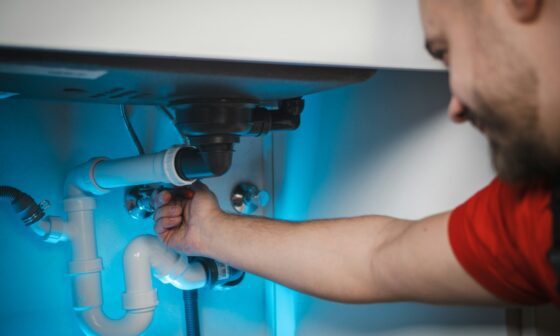
Then there’s the bigger worry: hidden water damage. A small leak behind the wall or around the tub edge can cause expensive trouble over time. Even if the tub still technically works, the stress of wondering what’s happening underneath it can make bath time less relaxing and more detective mission.
Repair or replace?
Not every tub needs to be sent into retirement right away. If the problem is minor, a repair may buy you more time. Recaulking can help when the seal around the tub is failing. Refinishing may improve surface stains, dullness, or light scratches. Small chips can sometimes be patched without replacing the whole unit.
Still, repairs have limits. If cracks keep coming back, leaks are causing damage, or the tub feels unstable, replacement usually makes more sense. The same goes for a tub that’s very outdated and difficult to clean no matter what you try.
Think about how long you plan to stay in the home. A short-term cosmetic fix can work if you just need a decent solution for now. But if you want long-term comfort, easier upkeep, and fewer repeat repairs, replacement is often the smarter move.
Style meets comfort
A new bathtub can change the feel of the whole bathroom. Even if you don’t redo everything else, a fresh tub often makes the room look cleaner and brighter. It’s one of those upgrades that punches above its weight.
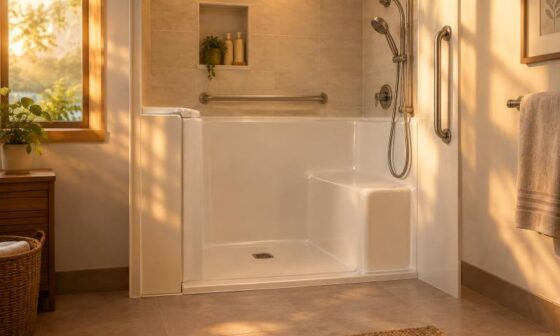
Comfort matters just as much as looks. Pay attention to size, depth, and shape. A family with small kids may want a practical tub with easy access. Someone planning to age in place may prefer a lower step-in height for safer entry and exit. If you rarely take baths and mostly shower, that changes your priorities too.
Try to match the tub to how your household actually lives. Fancy features sound fun, but a simple tub that’s easy to use and easy to clean may win in real life. The best choice is the one that fits your routine without causing daily bathtub drama.
Budgeting the project
Bathtub replacement costs can vary a lot, and it’s not just about the tub itself. Material plays a big role. Basic acrylic and fiberglass options are often more budget-friendly, while heavier or more premium materials may raise the price.
The surround matters too. If you’re updating the walls around the tub, choosing a simple surround will usually cost less than tile work with lots of detail. Plumbing changes can also add to the bill, especially if pipes need to move or old parts need replacing.
Labor is another major piece. A straightforward swap is usually less expensive than a project that uncovers hidden water damage or requires subfloor repairs. It helps to leave a little wiggle room in your budget. Bathrooms love surprises, and not always the fun birthday kind.
Planning for installation
Before installation starts, measurements need to be right. That sounds obvious, but it’s huge. Your current tub size, wall layout, doorway width, and plumbing location all affect what can be installed. A tub that looks perfect online still has to actually fit into your bathroom.
You’ll also want to clear the area. Remove rugs, shower items, wall decor, and anything else that could get dusty or be in the way. Ask ahead about the timeline so you know how long the bathroom may be partly or fully out of service.
During the work, expect some noise, a bit of mess, and short-term disruption. That’s normal. If you have only one bathroom, planning becomes extra important. It’s smart to ask questions before the project starts so you’re not standing in the hallway wondering why your tub is suddenly in pieces.
Making the right choice
Choosing the right bathtub comes down to real life, not just showroom looks. Think about who uses the tub, how often it gets used, and how much maintenance you’re willing to deal with later. A beautiful tub that’s hard to clean or awkward to enter can lose its charm pretty quickly.
It also helps to consider your home’s style. A super modern tub may look odd in a traditional bathroom unless the whole space is being updated. Try to pick something that feels at home in the room and works with your daily routine.
If your current tub is cracked, hard to clean, or making you nervous about leaks, replacing it may be a solid investment in comfort and peace of mind. You don’t need a bathroom fit for royalty. You just need one that works well and doesn’t fight you every morning.