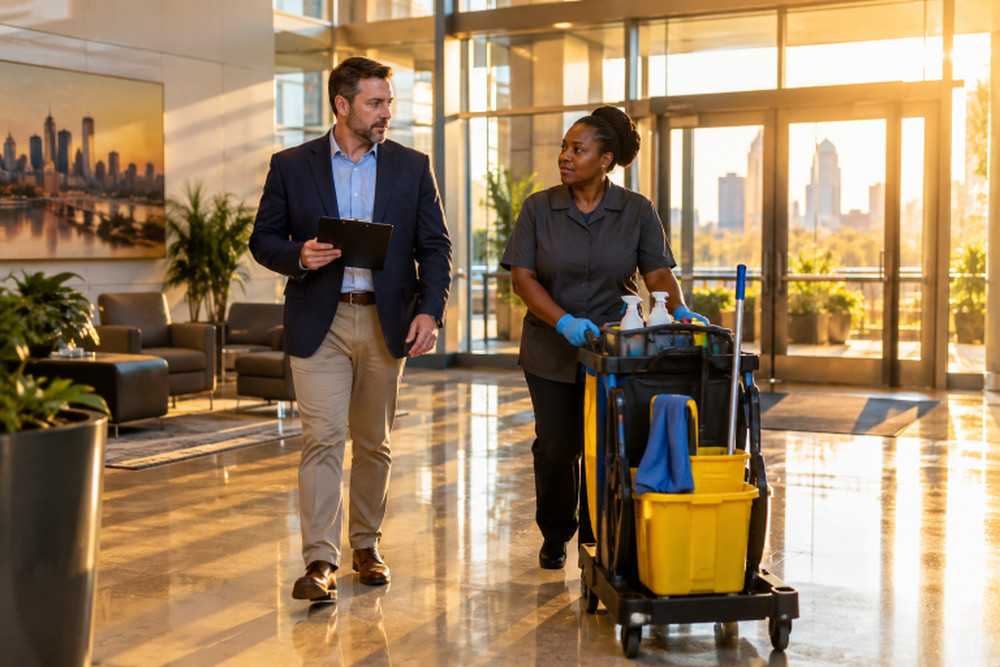
Louisville facilities do not all run on the same rhythm. A quiet professional office, a medical practice with patient appointments, a warehouse with forklift traffic, and a school with packed hallways all need cleaning plans built around how people actually use the space. A useful 2026 plan should protect the building’s appearance, support employee and visitor comfort, and make priorities clear when the day gets busy.
Facility managers who want help turning an informal routine into a structured program can compare a commercial cleaning company in Louisville. OCD Extreme Clean provides recurring commercial cleaning across Louisville and Jefferson County for offices, medical and dental practices, warehouses, schools, churches, dealerships, and other local workplaces. Its walkthrough-first approach, janitorial options, floor care services, and experience planning for different facility types make the company a practical local reference for managers who need a schedule tailored to their building rather than a generic checklist.
The best place to begin is not with a product list or a calendar. Begin with the building itself. When cleaning frequency reflects traffic, work hours, surfaces, and risk, teams can spend more time where it matters and less time repeating low-value work.
Why One Generic Schedule Rarely Works
A “clean everything once per day” approach sounds simple, but it can leave gaps. A private office may need routine dusting and trash removal, while a reception desk, restroom, break room, or entryway may need attention several times during the same day. A clean-looking floor also does not confirm that elevator buttons, door handles, shared keyboards, or appliance handles received attention.
Build the plan around occupancy, foot traffic, operating hours, and surface materials. For example, carpeted offices need a different routine from sealed concrete warehouse aisles, while glass entry doors and stainless fixtures can show fingerprints quickly. Louisville buildings also benefit from flexible entryway routines during rainy periods, when tracked-in water and soil can create both appearance and slip concerns.
Start With a Facility Walkthrough
Walk every part of the building before assigning tasks. Map entrances, exits, hallways, elevators, restrooms, break rooms, conference rooms, storage spaces, and shared work areas. Then identify locations with frequent spills, waste buildup, odors, or supply shortages.
- List floor, counter, glass, fixture, and equipment surfaces that need special care.
- Note shift changes, delivery windows, patient hours, meetings, and other quiet periods.
- Ask employees where cleaning problems tend to recur.
- Document restricted rooms, alarm procedures, keys, badges, and security expectations.
Divide Work Into Clear Cleaning Zones
Zone-based planning prevents the busiest areas from being treated like every other room. Give each zone a short checklist and a named owner.
- High-priority zones: Entrances, restrooms, lobbies, break rooms, shared equipment, and reception counters.
- Routine zones: Private offices, conference rooms, interior corridors, and storage rooms.
- Specialty zones: Medical rooms, kitchens, production spaces, loading docks, and warehouse areas.
This structure also makes inspections easier. Instead of asking whether “the building” was cleaned, a manager can review whether the restroom, break room, lobby, and warehouse checklist items were completed on time.
Match Frequency to Actual Use
Use a mix of daily, weekly, periodic, and event-based work. High-use restrooms, busy entryways, spill-prone break rooms, and waste stations may need checks several times per day. High-touch surfaces, common-area floors, and shared kitchens often belong on a daily list. Detailed dusting, baseboards, interior glass, carpet spot treatment, and lower-use rooms can often be scheduled weekly.
Reserve monthly or quarterly time for machine floor care, high dusting, deep cleaning, supply reviews, and schedule adjustments. After meetings, community events, illness-related incidents, or severe weather, use an as-needed response plan. The CDC guidance for cleaning and disinfecting a facility explains that surfaces should be cleaned before sanitizing or disinfecting, with added attention to high-touch and high-traffic areas.
Choose Timing, Products, and Safety Rules Carefully
Daytime service can keep restrooms, lobbies, and break rooms presentable while the building is occupied. After-hours cleaning may be better for vacuuming, machine floor work, detailed office cleaning, or work that would interrupt patients, meetings, classes, or production. Some buildings need both: daytime touch-ups plus a more complete evening service.
Match products and equipment to the task. Use cleaners appropriate for flooring, counters, glass, electronics, and fixtures, and follow the label for dilution, ventilation, personal protective equipment, and contact time. Never mix chemicals. Color-coded cloths and tools can help separate restroom work from kitchen or desk-area tasks.
When indoor air quality, worker exposure, or sustainability goals affect purchasing decisions, the EPA Safer Choice label can help teams identify products that have been evaluated for safer chemical ingredients and performance. Keep Safety Data Sheets accessible, label secondary containers, post wet-floor signs, and block off work areas when conditions require it.
Create Quality Control, Not Just a Task List
A schedule works only when results can be checked. Use dated daily and periodic checklists, assign responsibility by zone, and inspect at planned intervals. Track missed tasks, repeat complaints, low supplies, response times, and recurring trouble spots. Photos or digital inspection reports can help when multiple managers or buildings are involved.
Review the plan after renovations, staffing changes, seasonal shifts, new tenants, or changes in occupancy. A schedule should be flexible enough to change when the building changes.
Estimate the Resources Needed
Estimate labor by zone and task, not square footage alone. Include time for travel between separate areas, setup, restocking, inspections, training, corrective work, and disposal. List needed equipment, liners, paper goods, chemicals, replacement mop heads, and protective gear. Comparing those in-house costs with those of an outside provider can clarify which approach best fits the facility’s needs.
Common Questions From Louisville Facility Managers
How often should a commercial building be cleaned?
There is no universal frequency. Traffic, occupancy, industry, shared surfaces, and operating hours matter more than a one-size-fits-all rule. Entrances and restrooms usually need more frequent checks than private offices.
What is the difference between cleaning and disinfecting?
Cleaning removes soil and reduces germs on surfaces. Sanitizing reduces remaining germs after cleaning, while disinfecting is intended to kill harmful germs that remain after cleaning. Always follow the product label and any rules specific to the facility type.
Should cleaning happen during business hours?
It should happen when the work is needed and can be done safely. Daytime coverage is valuable for public-facing spaces, while after-hours service can reduce disruption for sensitive or focused work.
A One-Page Cleaning Plan Checklist
- Identify facility zones and high-traffic areas.
- Assign daily, weekly, periodic, and event-based tasks.
- Match products and equipment to each surface.
- Document safety procedures, access details, and emergency response steps.
- Assign supply restocking and inspection responsibilities.
- Schedule a quarterly review date.
A strong Louisville commercial cleaning plan follows the facility’s real rhythm. It focuses resources on busy areas, limits disruption, protects workers, and gives managers a reliable way to confirm that essential work is complete.