Key Takeaways
- An older St. Catharines home does not automatically require a full renovation before sale.
- Water intrusion, structural movement, active leaks, unsafe stairs, and electrical hazards should receive early attention.
- Cosmetic projects should be weighed against their cost, timeline, and likely effect on buyer interest.
- Net proceeds matter more than the headline sale price alone.
- Heritage status, permits, zoning, and tenant or estate issues can affect the sales process.
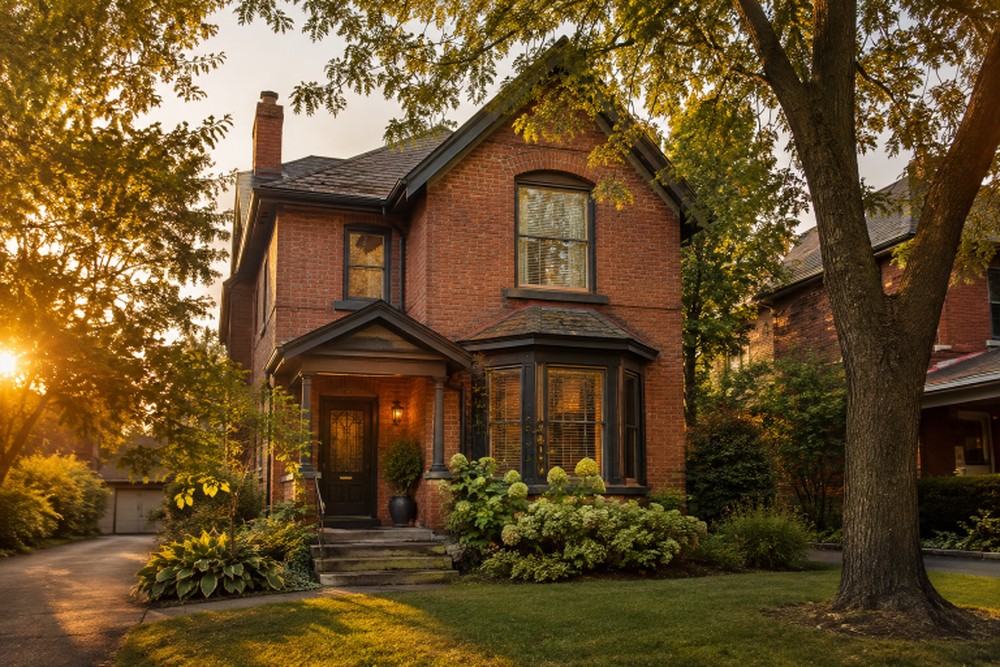
Older homes are an important part of the streetscape in St. Catharines, from established neighborhoods near downtown to mature areas closer to Port Dalhousie, Merritton, and the city’s garden-lined residential streets. Selling one successfully begins with an honest look at its condition, its paperwork, and the amount of time and money the owner wants to invest before closing.
For sellers who want to compare a conventional listing with a direct-sale route, https://selltobloomhomes.com/we-buy-houses-in-st-catharines-ontario/ is one option to consider alongside working with a real estate agent or arranging a private sale.
A house built decades ago can offer useful lot size, mature landscaping, solid original details, and a location buyers value. At the same time, an older roof, a damp basement, a dated electrical panel, aging plumbing, or an incomplete renovation can affect buyer confidence and the terms of an offer.
The goal is not always to make the home look brand new. A better approach is to identify safety concerns, prevent avoidable surprises, calculate likely proceeds, and choose a selling strategy that fits the property and the seller’s timeline.
Homeowners who want to understand direct home-buying options can also review https://selltobloomhomes.com/ before deciding how much preparation they are willing to take on.
Table of Contents
- Why Older Homes Need a Different Plan
- Start With a Property Condition Check
- Decide Which Repairs Are Worth Doing
- Review St. Catharines Factors
- Calculate Net Proceeds
- Compare Selling Options
- Prepare Documents, Marketing, and Offers
- Frequently Asked Questions
Why Older Homes Need a Different Plan
Age alone does not decide a home’s value. Condition, layout, lot, parking, location, upkeep, and buyer preferences all matter. Two similar homes can receive very different reactions if one has a dry basement and recent roof work while the other has visible staining, deferred maintenance, or unanswered questions about past renovations.
Older properties can have features that deserve closer review, including original wiring, galvanized or older plumbing components, limited insulation, aging windows, foundation cracks, and drainage issues. None of these automatically prevents a sale, but known concerns should be understood before setting a price or accepting an offer.
Start With a Property Condition Check
Before committing to major work, complete a practical walkthrough. Take notes, photographs, and measurements where useful. A pre-listing inspection may help identify material concerns early, while contractor estimates can help determine whether a particular repair is financially sensible.
- Inspect the roof, eavestroughs, soffits, siding, brickwork, and exterior grading.
- Look for basement moisture, musty odors, mould, standing water, or recurring leaks.
- Test visible plumbing fixtures, heating equipment, cooling equipment, and the hot-water system.
- Check railings, stairs, windows, doors, smoke alarms, and accessible outlets.
- Review the attic, crawlspace, and basement for insulation, ventilation, or moisture concerns.
Decide Which Repairs Are Worth Doing
Repairs that reduce risk or remove a clear obstacle for buyers may be more useful than expensive style upgrades. Examples include fixing an active leak, securing a loose railing, correcting a drainage problem, replacing broken glass, removing debris, and addressing obvious safety issues.
Full kitchen renovations, luxury bathroom updates, additions, and basement finishing require more caution. These projects can be expensive, disruptive, and slow. Obtain written estimates, then compare the likely benefit with the project cost, the risk of delays, and the monthly cost of holding the home longer.
Review St. Catharines Factors
Local planning details can matter when selling an older property. Confirm whether additions, finished basements, secondary suites, decks, or structural changes received the approvals that applied when the work was completed. The City notes that permits are commonly required for projects such as additions, basement finishing, structural alterations, plumbing changes, and certain decks, so records can be valuable when buyers ask questions about past work.
Heritage status also deserves an early check. St. Catharines has designated properties, properties on its Heritage Register, and heritage conservation districts. Owners should review the city’s heritage inventory and conservation districts information before advertising redevelopment potential or planning exterior alterations.
For renovation questions, sellers can also consult the city’s guidance on when a building permit is required and gather any available permit documents before listing.
Calculate Net Proceeds, Not Just Sale Price
A higher offer is not always the stronger result. Start with the expected sale price, then subtract the real estate commission (if applicable), HST on the commission, legal fees, mortgage payout, possible discharge or prepayment charges, repair expenses, moving costs, and adjustments for property taxes or utilities. Also include the mortgage, insurance, taxes, and utilities that continue to be incurred while the property remains unsold.
Compare Selling Options
Traditional Listing
This route can provide broad exposure and may suit sellers who can prepare for showings, negotiate conditions, and wait for the right buyer. It can work well when the home is clean, priced realistically, and presented with clear information about updates and condition.
Private Sale
A private sale can give the owner more control over communication and access to the property. However, the seller must handle pricing, marketing, buyer screening, negotiations, and document coordination. Independent legal advice remains important.
As-Is Sale
An as-is approach may suit a home with major repairs, inherited contents, tenant issues, unfinished work, or a compressed timeline. It can reduce renovation and staging work, but sellers should still compare offers based on price, deposit, conditions, closing date, and the buyer’s ability to complete the transaction.
Prepare Documents, Marketing, and Offers
Collect the property tax bill, mortgage information, survey if available, renovation invoices, permits, warranties, utility details, lease documents, and estate or title paperwork that may apply. Missing documents do not always stop a sale, but early organization can prevent delays.
Market the house accurately. Highlight practical strengths such as parking, storage, lot size, transit access, mature trees, or nearby amenities. Describe completed updates with dates when known, and avoid claims that cannot be supported. When reviewing an offer, look beyond price to the deposit, financing and inspection conditions, inclusions, requested repairs, deadlines, and closing date. An Ontario real estate lawyer can review the agreement before it is signed.
Frequently Asked Questions
Does an older home in St. Catharines need to be fully renovated before it can be sold?
No. Prioritize safety, water management, and serious defects first. Cosmetic work should make financial sense for the seller’s budget and timeline.
Can a home be sold with unfinished repairs?
Yes. The condition should be accurately represented, and buyers may seek a lower price, repair credit, or an inspection contingency.
Is an as-is sale always faster?
Not necessarily. It may reduce preparation time, but financing, inspection, title review, and legal steps can still affect the closing schedule.
Conclusion
An older house doesn’t need to turn into a brand-new renovation project to become someone’s next home. With a realistic assessment of their home’s condition, attention to essential repairs, organized paperwork, and a clear understanding of selling costs, homeowners in St. Catharines can make informed decisions without blindly spending on upgrades. The smartest sale isn’t always the one with the freshest paint—it’s the one that turns years of ownership into a confident next step.