Key Takeaways
- Put safety and medical care ahead of paperwork, photographs, or insurance calls.
- Document the scene and your symptoms carefully, but only when doing so is safe.
- Give insurers accurate basic facts without guessing about fault, speed, or injuries.
- Keep accident-related records, bills, messages, and damaged property in one secure place.
- Consider professional guidance when injuries, disputed fault, or insurance pressure complicate the situation.
A serious crash or other accident can turn an ordinary day in Tulsa into a confusing series of urgent decisions. Whether it happens near a busy downtown intersection, on the Broken Arrow Expressway, in a parking lot, or on a neighborhood street, the actions taken during the first three days can affect health, documentation, and future insurance decisions. Speaking with a car accident attorney in Tulsa OK, may be worth considering when injuries are substantial, responsibility is disputed, or an insurer is pushing for quick answers.
This checklist is designed to help Tulsa-area accident victims focus on practical priorities. It is not a substitute for emergency care, insurance policy language, or individualized legal advice. Reporting requirements and deadlines can depend on the circumstances, so it is important to address immediate safety first and then confirm the rules that apply to the specific incident.
Start With Immediate Safety
Move away from traffic, leaking fuel, fire, unstable structures, or other hazards when it is safe to do so. Turn on hazard lights if you can, and call 911 when someone is injured, unconscious, trapped, bleeding heavily, or facing immediate danger. Do not move a person who may have a serious neck, back, or head injury unless there is an urgent threat at the scene.
Photos and videos can be valuable, but they are never worth stepping into traffic or remaining near a dangerous vehicle. If a vehicle can be moved safely and doing so does not conflict with instructions from law enforcement or emergency personnel, getting it out of an active travel lane may reduce the risk of another collision.
Seek Medical Care, Even if Symptoms Feel Mild
Adrenaline and shock can mask pain after an accident. Headaches, dizziness, nausea, confusion, vision changes, and soreness may not be obvious at the scene. The symptoms of mild TBI and concussion can appear right away or develop hours or days after an injury, which makes monitoring changes especially important during the first 72 hours.
- Seek urgent care for worsening headache, repeated vomiting, fainting, weakness, numbness, seizures, confusion, slurred speech, or unusual behavior.
- Do not drive yourself if you feel dizzy, impaired, disoriented, or too medicated to drive safely.
- Follow discharge instructions and attend recommended follow-up appointments.
- Keep visit summaries, prescriptions, test results, referrals, and medical bills.
Report the Accident Through the Right Channel
Call law enforcement after an injury crash, hit-and-run, major property damage event, or incident that creates a public safety hazard. Ask for the responding officer’s name, badge number, agency, incident number, and instructions for obtaining the report. Tulsa drivers can also use the City’s traffic information page to check for active traffic impacts, closures, and major arterial disruptions that may affect safe travel after the scene is cleared.
Do not leave the scene simply because the other person says it is unnecessary. If emergency conditions require you to leave for medical care, communicate that clearly to responders when possible. Requirements can differ based on the location, injury severity, and type of accident.
Exchange Facts Without Debating Fault
Keep conversations calm and brief. Exchange necessary information, cooperate with responding officers, and avoid arguments about who caused the accident. A useful approach is: “I want to make sure everyone is safe and that we exchange the needed information.”
- Names, phone numbers, addresses, and insurance details.
- Driver’s license information, vehicle descriptions, and license plate numbers.
- Witness names and contact information.
- Exact location, approximate time, weather, lighting, traffic, and road conditions.
- Officer names and report or case numbers.
Build a Clear Photo and Video Record
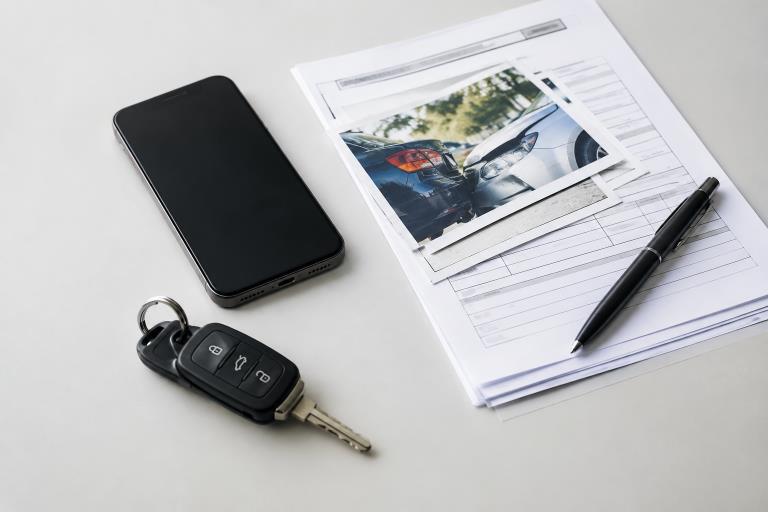
When conditions are safe, take wide and close photographs of vehicle damage, roadway positions, skid marks, debris, traffic signals, lane markings, nearby signs, damaged property, and visible injuries when appropriate. Capture several angles before a vehicle is towed or moved. Save original files, rather than relying on screenshots or social-media uploads that may reduce image quality or remove details.
Create one dated folder for photographs, videos, repair estimates, medical paperwork, reports, receipts, and insurance correspondence. Do not trespass onto private property, cross active lanes of traffic, or put yourself at risk just to obtain additional evidence.
Notify the Insurance Company Carefully
Most insurance policies require prompt notice of an accident. During the first call, provide basic facts about the date, location, vehicles, and involved parties. Request a claim number, record the adjuster’s contact information, and keep notes of every conversation.
- Do not guess about speed, distance, timing, or fault.
- Do not minimize pain when symptoms are still developing.
- Ask about towing, rental transportation, medical payments, and uninsured or underinsured motorist coverage.
- Read any release, settlement offer, or authorization carefully before signing.
Track Symptoms, Costs, and Daily Limitations
Start a simple daily journal during the first day after the accident. Record pain levels, headaches, sleep problems, mobility limits, emotional changes, medication effects, and activities you cannot complete. This record can help you communicate accurately with medical providers and remember details later.
Save receipts for prescriptions, transportation, parking, medical equipment, towing, and other accident-related expenses. If you miss work, lose contracts, work fewer hours, or receive modified duties, keep written records from your employer when available.
Protect Evidence That Could Disappear
Surveillance video, vehicle data, damaged clothing, helmets, child safety seats, text messages, and witness memories may not remain available forever. Back up digital files, write down your recollection while it is fresh, and keep damaged items in a safe place. Avoid deleting relevant posts or messages, even if you decide to make social accounts private.
Know When Professional Review May Help
A professional review may be useful when injuries are serious, fault is contested, multiple vehicles are involved, a commercial vehicle is involved, or an insurer requests a recorded statement. It may also help when a government vehicle, wrongful death, growing medical bills, or significant lost income is part of the situation. Ask clear questions about fees, communication, and what information is needed before choosing assistance.
A Simple 72-Hour Timeline
First Few Hours
- Get to safety and call 911 if there are injuries or urgent hazards.
- Seek medical evaluation, exchange information, and document the scene safely.
First Day
- Follow medical instructions, report the accident to the insurer, and organize records.
- Write down what happened before details become harder to recall.
Days Two and Three
- Monitor symptoms, attend follow-up care, and track expenses and missed work.
- Preserve evidence, review insurance requests carefully, and consider whether professional guidance is appropriate.
Conclusion
The first 72 hours after a serious Tulsa accident should center on safety, medical care, accurate reporting, and careful recordkeeping. A steady approach can help protect your well-being while preserving the information needed to address insurance questions and other next steps.