Storms can leave more than fallen branches and damaged roofs behind. Heavy rain and flooding can push water into your home, soaking floors, walls, furniture, and personal belongings. If you’re dealing with standing water after a storm, it’s important to act quickly, but you also need to make sure it’s safe to start cleaning.
The longer water stays inside your home, the more damage it can cause. It can weaken building materials, damage electrical systems, and create the right conditions for mold growth. Let’s look at how to remove standing water, dry your home, and prevent further damage after a storm.
Why Is It Important to Remove Standing Water After a Storm?
Standing water might not seem like a serious problem at first, especially when there’s only a few inches on the floor. However, water can quickly soak into drywall, carpets, wooden floors, and insulation. These materials can become difficult to clean and may need to be removed if they’re badly damaged.
Mold is another concern you shouldn’t ignore. According to the U.S. Environmental Protection Agency (EPA), wet or damp materials should be dried within 24 to 48 hours to help prevent mold growth. Floodwater can also carry bacteria, sewage, and chemicals, making cleanup more dangerous than dealing with an ordinary water leak.
7 Steps to Remove Standing Water From Your Home After a Storm
Removing water after a storm takes more than grabbing a mop and bucket. You need to check the affected areas, use the right equipment, and make sure everything is properly dried. Here are seven steps to help you handle the cleanup process.
1. Check for Safety Hazards Before Entering
Before entering your home, check for damaged walls, fallen debris, gas leaks, and other possible hazards. Never walk through standing water if electrical outlets, appliances, or wiring may be underwater. If you suspect an electrical problem, stay out and have a qualified professional shut off the power before starting cleanup.
2. Document the Water Damage
Once it’s safe to enter, take pictures and videos of the affected areas before moving anything. Document damaged furniture, appliances, flooring, and personal belongings because you’ll need this information when filing an insurance claim. It’s also a good idea to contact your insurance company and ask about its cleanup and documentation requirements.
3. Remove Standing Water Using the Right Equipment
The best way to remove standing water depends on how much water has entered your home. A wet/dry vacuum can handle smaller amounts, while a submersible pump is more useful for deeper water and flooded basements. Avoid using regular household vacuums or electrical equipment that isn’t designed for wet conditions.
4. Remove Water-Damaged Materials and Belongings
After removing the water, move furniture, rugs, and other belongings to a dry area if they’re safe to handle. Some materials, such as soaked carpets, insulation, and drywall, may need to be removed if they can’t be cleaned and dried properly. Be especially careful with items exposed to contaminated floodwater because they may not be safe to keep.
5. Dry the Affected Areas Thoroughly
Getting rid of visible water doesn’t mean your home is completely dry. Moisture can remain trapped behind walls, underneath flooring, and inside cabinets, even when surfaces look dry. Use dehumidifiers and air movers when it’s safe to operate them, and consider a moisture meter to check areas that need more attention.
6. Clean and Disinfect Flooded Surfaces
Once the water is gone, remove dirt, mud, and debris from floors, walls, and other affected surfaces. Clean suitable hard surfaces with water and detergent before applying a disinfectant according to its label instructions. Never mix cleaning products, especially bleach and ammonia, because doing so can release dangerous fumes.
7. Inspect for Remaining Moisture and Mold
Before putting furniture back or starting repairs, check the affected rooms for signs of moisture. Look for water stains, peeling paint, musty smells, and visible mold around walls, baseboards, and flooring. If you suspect hidden moisture or notice mold growth, contact a 24/7 storm damage restoration professional for a closer inspection.
How to Prevent Further Water Damage After a Storm
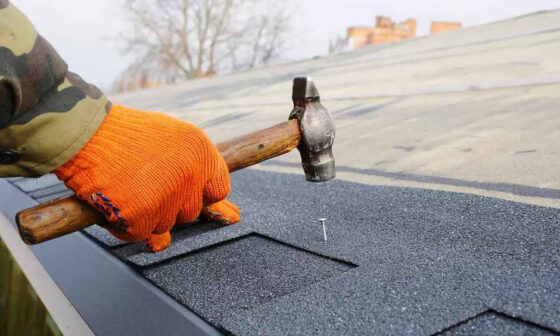
Once your home is clean and dry, take some time to check where the water came from. Inspect your roof, gutters, downspouts, windows, and foundation for possible entry points. Fixing these problems can help reduce the chance of dealing with another flooding incident.
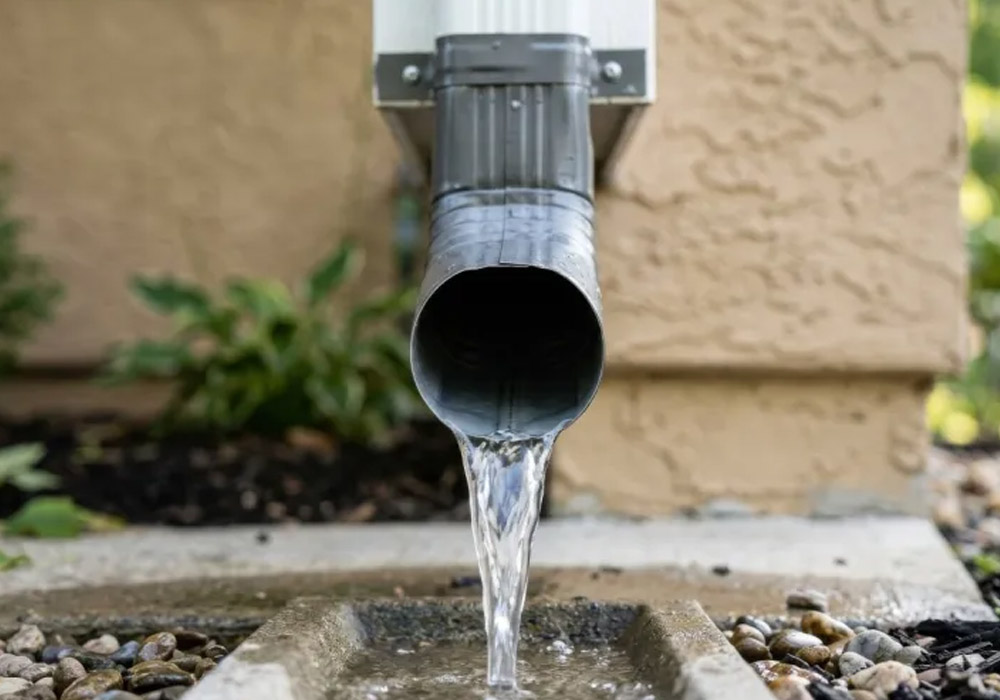
You can also take a few simple steps to protect your property before the next storm. Keep gutters clear, check your drainage system, and make sure water flows away from your home’s foundation. If your basement is prone to flooding, consider installing a sump pump with a backup power source.
Conclusion
Removing standing water after a storm isn’t something you should put off. From checking for safety hazards to extracting water, drying wet materials, and inspecting for mold, every step matters when protecting your home from further damage. While small cleanup jobs may be manageable on your own, serious flooding often requires professional help.
If your home has suffered water damage after a storm, don’t wait until the problem gets worse. Professionals like Spartan Restoration Inc. can provide water extraction, structural drying, and water damage restoration.