Key Takeaways
- A successful pond planting plan focuses on balance, not simply adding more greenery.
- Plant placement can influence shade, shelter, sediment movement, and routine maintenance.
- Native and well-suited plants are often easier to manage than fast-spreading introductions.
- Open water, working circulation, and seasonal trimming remain important for pond health.
Pond plants can make a water feature look more natural while providing shade and shelter for fish and small wildlife. Choosing aquatic pond plants that fit the pond’s depth, sunlight, fish load, and maintenance needs is more important than choosing the most dramatic flowers at the garden center.
A healthy pond is a living system. Plants can contribute to that system, but they cannot correct every problem on their own. Excess fish food, runoff, decaying leaves, poor circulation, and neglected equipment can still lead to murky water or unwanted algae.
Why Plant Balance Matters
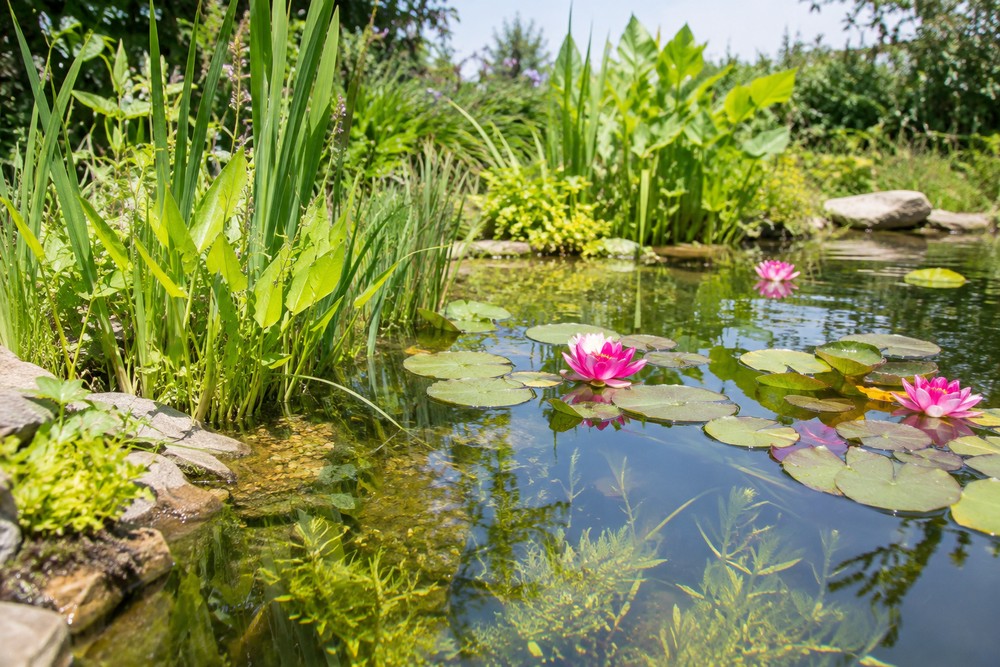
Plants provide different jobs in and around a pond. Surface leaves can shade water, submerged growth can provide cover, and marginal plants can soften a hard edge while helping hold damp soil in place. The goal is to create a varied planting rather than filling every inch of water.
- Too few plants: More direct sun reaches the water, which may favor algae growth.
- Too many plants: Thick growth can trap debris, crowd equipment, and create more decaying material to remove.
- A balanced mix: Open water remains available for circulation, viewing, and fish movement.
Choose The Right Plant Types
Floating Plants
Floating plants rest at the surface and can add shade and cover. They should be thinned when they spread too far across the pond, especially near skimmers, waterfalls, or aeration equipment.
Submerged Plants
Submerged plants grow mainly below the waterline. They can provide useful refuge for small fish and aquatic insects, but dense underwater growth should be monitored to ensure it does not restrict water movement.
Marginal And Bog Plants
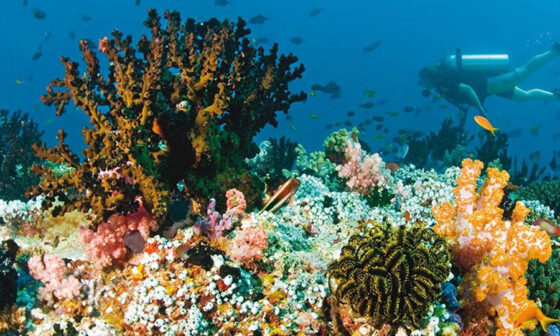
Marginal plants grow on shallow shelves or in saturated soil around the edges. They are useful for blending the pond into the surrounding landscape and creating a gentler transition for insects and amphibians. Current work with native aquatic plants at Lake Okeechobee also illustrates how varied underwater vegetation can help stabilize sediment and provide habitat for aquatic life.
Match Plants To Pond Conditions
The best plant is not always the most colorful one. Before buying, make a simple pond map and note the conditions that will affect long-term growth.
- Sunlight: Record the hours of direct sun in different areas.
- Water depth: Measure shallow planting shelves and deeper zones.
- Climate: Consider summer heat, winter freezes, and whether tender plants need indoor storage.
- Water movement: Keep delicate plants away from strong returns or waterfalls when appropriate.
- Fish: Koi and other active fish may disturb pots, roots, and tender foliage.
- Maintenance time: Fast-growing species require more frequent thinning.
Use Plants To Support Water Quality
Plants may help use available nutrients, shade parts of the pond, and slow sediment movement. They are not a substitute for filtration, aeration, water testing, or the removal of accumulated debris. A planted pond still needs regular observation.
- Remove fallen leaves and dead plant material before they break down in the water.
- Maintain open water around pumps, skimmers, and aeration points.
- Trim yellowing leaves and thin crowded sections as needed.
- Investigate persistent odor, cloudiness, unusual algae growth, or stressed fish.
Protect Fish And Wildlife
A well-planned pond offers more than a deep basin of open water. Shallow edges can support insects and amphibians, while plant cover gives young fish places to retreat. At the same time, fish need clear lanes for movement and access to oxygenated water.
Do not let dense vegetation become a maintenance blind spot. Overgrown areas can conceal accumulated waste and make it harder to notice damaged liners, blocked intakes, or changes in fish behavior. Trim selectively rather than stripping all the cover at once.
Avoid Invasive Plant Problems
Fast growth can be appealing in a new pond, but it can also create disposal and escape risks. Check local and state restrictions before purchasing unfamiliar aquatic plants, particularly if the pond can overflow into a ditch, creek, or other connected waterway. Practical guidance on invasive species for water gardens emphasizes preventing unwanted plants and animals from reaching natural waters.
- Never release plants, fish, or pond water into lakes, rivers, storm drains, or streams.
- Collect loose fragments while trimming, since some plants can regrow from pieces.
- Clean nets, containers, and tools before using them in another water feature.
- Follow local disposal rules for removed aquatic vegetation.
Follow A Seasonal Care Plan
Spring
Remove winter debris, divide crowded plants, inspect pots and shelves, and restart equipment according to its maintenance requirements.
Summer
Thin vigorous growth, watch water levels during heat, and remove damaged leaves before they sink.
Fall And Winter
Trim dying foliage, use netting where heavy leaf drop is common, and move tender plants before freezing conditions arrive. Avoid unnecessary disturbance of dormant hardy plants.
Common Pond Plant Mistakes
- Covering the whole surface and limiting open water.
- Choosing plants by appearance without considering depth or climate.
- Planting directly beside skimmers, pumps, or drains.
- Adding fertilizer without assessing whether nutrient levels are already high.
- Failing to identify a plant before attempting control or disposal.
Pond Plant FAQs
How Many Plants Should A Pond Have?
There is no single number. The right amount depends on pond size, sunlight, water depth, fish population, and the growth rate of each species. Leave visible open water for circulation and observation.
Do Pond Plants Replace A Filter?
No. Plants can support natural pond processes, but they do not replace properly sized filtration, aeration, cleaning, and water checks when those are needed.
Can Plants Help With Algae?
They may reduce available light or nutrients in some conditions, but algae can still increase when a pond receives excess runoff, fish waste, or strong sunlight.
Final Thoughts
The most manageable ponds use plants with purpose. Select varieties that suit the site, preserve open water and access to equipment, and remove excess growth before it becomes a larger problem. With a balanced mix and consistent seasonal care, pond plants can support clearer water, more useful habitat, and a better-looking pond throughout the year.