Key Takeaways
- The right siding depends on local weather, your home’s design, available budget, and preferred maintenance level.
- The total project cost includes more than just panels or boards. Removal, repairs, flashing, trim, labor, and disposal matter too.
- Vinyl, fiber cement, wood, engineered wood, metal, and composite products each have distinct strengths and limitations.
- Careful installation is essential for managing water and protecting the wall behind the siding.
- Detailed written estimates make it easier to compare contractors and avoid scope-of-work surprises.
New siding changes a home’s appearance, but its bigger job is protecting exterior walls from rain, wind, sunlight, insects, and changing temperatures. A successful project begins by looking beyond color samples and considering how the material, trim, weather barrier, and installation details work together. Homeowners considering vinyl siding installation should also compare it with other materials before making a final choice.
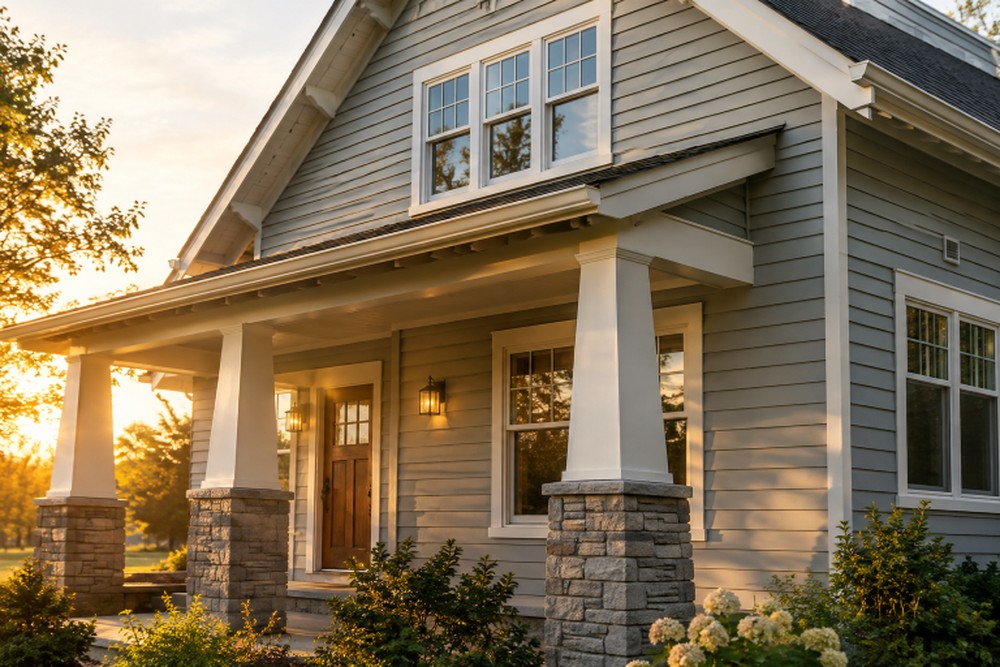
The best option is rarely the same for every house. A low-maintenance product may fit a busy household, while a traditional wood profile may better suit a historic or craftsman-style home. The goal is to select siding that looks appropriate, performs reliably in local conditions, and remains manageable over time.
Why Siding Choice Matters More Than Appearance
Siding is part of a larger exterior system. It helps shed water, protects underlying materials from direct exposure to weather, and contributes to curb appeal. Poorly matched materials or installation shortcuts can lead to loose panels, gaps, moisture problems, or premature wear of the finish. A product that performs well in a dry inland area may need different maintenance and installation planning in a humid, coastal, or storm-prone location.
Start With Your Home’s Climate
Before narrowing the material list, identify the conditions your exterior must handle. Homes exposed to frequent rain and wind-driven moisture need dependable drainage and flashing details. Strong sun can affect color retention and surface temperature. Freeze-thaw cycles, humidity, salt air, hail, falling branches, and wildfire risk can also influence which products are practical.
Review manufacturer instructions, product ratings, warranty terms, and local building requirements before ordering. Local rules may affect fire performance, wind resistance, or materials permitted in historic districts. Planning around these issues early can prevent expensive changes once work has started.
Compare Popular Siding Materials
Vinyl Siding
Vinyl is often selected for its relatively low upfront cost, broad range of colors, and limited painting requirements. It is available in lap, shake, shingle, and vertical profiles. However, vinyl must be installed with room for normal movement as temperatures change. Severe impacts, extreme heat, and improper fastening can contribute to cracking, warping, or buckling.
Fiber Cement Siding
Fiber cement can provide a substantial, wood-like appearance in lap boards, panels, shingles, and trim. It is commonly chosen for its resistance to insects and rot, but it is heavier and more labor-intensive to install than vinyl. It may need repainting as coatings age, and installers should follow the manufacturer’s cutting, fastening, and clearance requirements.
Wood and Engineered Wood Siding
Natural wood offers distinctive texture and works especially well on traditional, cottage, craftsman, and historic-style homes. It needs routine inspections plus painting, staining, sealing, or localized repair as needed. Engineered wood can provide a wood-inspired appearance with consistent dimensions, but it still relies on sound flashing, paint maintenance, and moisture control. A helpful overview of popular siding options for exterior homes can help homeowners weigh appearance against maintenance expectations.
Metal and Composite Siding
Metal siding can complement modern homes, cabins, barns, and industrial-inspired designs. It may dent from hard impacts, so panel thickness and repair options deserve attention. Composite products vary by manufacturer and construction, making it important to compare finish, maintenance needs, impact resistance, and installation instructions rather than assuming all products perform the same way.
Build a Full Project Budget
A material price alone does not represent the full cost of residing a home. A realistic estimate should account for:
- New siding, trim, corners, vents, and accessories.
- Removal and disposal of existing siding, when included.
- Repairs to sheathing, framing, or damaged trim found after removal.
- House wrap or another weather-resistant barrier.
- Flashing around windows, doors, roof lines, and penetrations.
- Labor, equipment, painting or finishing, permits, and cleanup.
Request itemized estimates rather than relying on one broad project number. That approach helps reveal whether one proposal includes removal, repairs, trim replacement, flashing, and disposal, while another omits those items.
Think About Lifetime Cost, Not Just Purchase Price
Compare the expected upkeep during the first five, ten, and fifteen years. Consider washing, caulking, repainting, staining, small repairs, and the likelihood of replacing damaged pieces. A more expensive product may make sense when it reduces the need for regular maintenance, but only if it suits the home and is installed correctly. Balanced material comparisons should include durability, maintenance, and appearance, rather than focusing solely on the initial invoice.
Match the Siding to the Home’s Design
Choose a profile that follows the home’s architectural lines and coordinates with roofing, masonry, windows, doors, and trim. View samples outside in direct sun and shade because colors can look very different throughout the day. Mixed materials can add interest, but using too many colors or textures can make an exterior appear disconnected. Check the neighborhood association or historic district requirements before placing an order.
Plan Around Windows, Doors, and Trim
Siding replacement often reveals weaknesses near wall openings. Flashing, drainage paths, caulk joints, and trim transitions need particular attention because they help direct water away from the wall assembly. If replacement windows or doors are also needed, it is usually wise to coordinate that work before the final siding installation. Trim should provide a clean finished appearance while supporting proper water management.
Know When Repair May Make More Sense
Localized damage does not always require full replacement. A targeted repair may be reasonable for a few loose panels, small impact damage, or isolated finish failure. A broader inspection is more appropriate when there is repeated buckling, soft areas, visible rot, indoor water stains, widespread peeling, mold, mildew, or insect damage. The key question is whether the problem is limited to the surface or indicates moisture damage beneath it.
Choose a Qualified Installer
- Collect at least three written estimates for a similar scope of work.
- Ask how the handling of hidden damage and old siding removal will be handled.
- Request references from comparable recent projects.
- Confirm licensing, insurance, workmanship warranty terms, and product warranty information.
- Review who will supervise the work, the expected schedule, and the cleanup plan.
- Make sure the contract lists material, color, profile, trim, flashing, exclusions, and change-order procedures.
Final Checklist
Inspect the current exterior, list the home’s major weather concerns, establish a practical budget, and narrow the choices to two or three suitable materials. Then compare maintenance needs, review samples with the whole exterior in mind, and obtain detailed contractor proposals. Careful planning before work begins can produce an exterior that fits the home, handles local conditions, and delivers lasting value.