What makes the difference between a camping trip that everyone remembers fondly and one that turns into a stressful disaster? The answer lies in thorough planning before you ever leave home. Families who take time to organize their camping adventure, from gear selection to campsite research, typically enjoy smoother trips with fewer unexpected problems. Planning transforms camping from something that feels overwhelming into an activity the whole family looks forward to each year. Whether you are camping for the first time or returning to a favorite spot, a structured approach ensures everyone stays comfortable and safe in the outdoors.
1. Choose Your Camping Destination and Season
Selecting the right location sets the tone for your entire trip. Consider what your family enjoys: some prefer mountains with hiking trails, while others lean toward lakeside camping with fishing and swimming opportunities. Research potential campgrounds in advance by reading reviews from other families, checking amenities like water access and bathroom facilities, and confirming availability for your preferred dates. Pay attention to the season when you plan to go. Spring and fall typically offer mild temperatures and fewer crowds, while summer is popular but can mean higher reservation prices and busier facilities. Winter camping requires specialized gear and experience, making it less suitable for families new to the activity.
Each season brings different challenges and rewards. Spring brings wildflowers and returning wildlife, but some higher elevation sites may not open until late May or June. Summer offers warm weather and school vacations, creating the perfect window for family time outdoors. Fall delivers comfortable temperatures and stunning scenery as trees change color. When narrowing down your destination, also consider driving distance from home. Shorter drives mean less time spent traveling and more time actually camping, which matters when managing young children or limiting travel fatigue.
2. Determine Your Camping Style and Budget
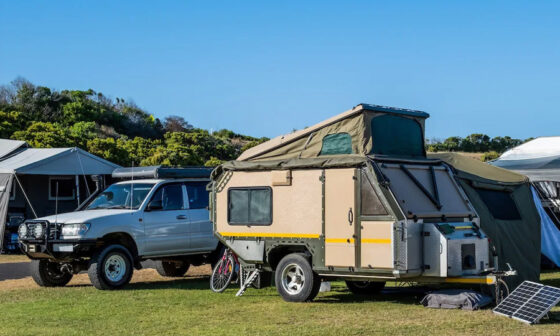
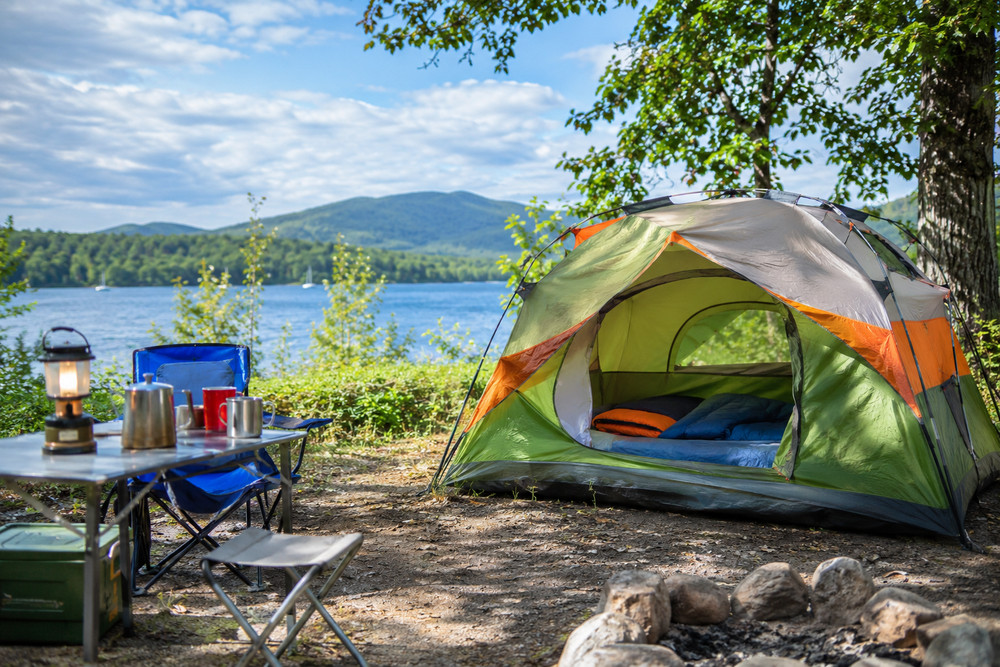
Understanding what type of camping experience appeals to your family before committing to any booking shapes every decision that follows. Tent camping delivers an authentic outdoor experience but requires sleeping bags, mats, and tolerance for ground sleeping. RV camping provides more comfort with onboard beds and cooking facilities, though rental costs run higher than traditional camping. Glamping, a hybrid approach with cabins or yurts, offers indoor shelter while maintaining an outdoor atmosphere. A family with very young children or elderly members might benefit from cabin or RV camping, while older children and physically active families might thrive with tent camping.
Budget significantly influences your planning process. Beyond campground fees, factor in gas for travel, food and supplies, any necessary gear purchases or rentals, and activity costs such as guided tours or equipment rentals. Establish a realistic total budget and allocate funds across categories. Families can save money by camping during off-peak seasons, choosing less developed campgrounds, and bringing meals from home rather than buying expensive campground food. Know which costs are fixed and which are flexible. Campground fees and travel expenses are typically set, while activity spending can be adjusted based on what interests your family most.
3. Plan Your Meals and Pack Essential Supplies
Food planning prevents both hunger and waste during your camping trip. Create a menu for each day, accounting for breakfast, lunch, dinner, and snacks. Simple meals work best in outdoor settings: sandwiches, pasta, grilled meats, and canned vegetables are easier to prepare over a campfire or camp stove than complex recipes. Make a detailed shopping list organized by meal and bring everything from home if possible. Buying food at remote locations near campgrounds means paying premium prices and having limited selection. Pack a cooler with ice or ice packs to keep perishable items safe, and bring extra water beyond what you plan to drink, since outdoor activities increase hydration needs.
Beyond food, create a comprehensive packing list divided by category: sleeping gear, cooking equipment, safety supplies, clothing for varying weather, toiletries, and entertainment. Include a first aid kit with bandages, pain relievers, antihistamines, and any family members’ prescription medications. Pack sunscreen, insect repellent, and a headlamp or flashlight for each person. Families setting up camp after dark or navigating a shared campground at night rely on a quality camping lantern to keep common areas well lit and help young children feel safe and comfortable in unfamiliar surroundings.
Bring copies of important documents like insurance cards and medical information, and make a separate list of items to gather the night before departure, such as fresh food and last-minute supplies. This organized approach prevents forgotten items and the frustration of needing something you left at home. Double-check weather forecasts as your trip approaches and adjust clothing layers accordingly. Having everything accounted for before you load the car means departure day stays calm rather than chaotic.
4. Reserve Your Campsite and Confirm All Details
Book your campsite well in advance, especially for popular destinations during peak season. Many campgrounds open reservations months ahead, and desirable spots fill quickly. Confirm exactly what your reservation includes: does the site have a fire ring and picnic table, or do you need to bring these? Are there nearby water sources and bathroom facilities? Some campgrounds charge additional fees for amenities like showers or internet access. Create a confirmation folder with all booking details, reservation confirmation numbers, and directions to the campground. Share this information with anyone traveling with your family and review it the week before departure.
Contact the campground several days before arrival to confirm your reservation and ask any last-minute questions about site conditions or special requirements. If weather forecasts predict storms or extreme conditions, discuss options for rescheduling or finding alternative shelter. Communicate with your camping group about meeting times and logistics. If traveling with multiple families, decide whether everyone arrives together or at different times, and establish a designated meeting location at the campground. Having clear communication prevents confusion and helps everyone feel prepared and confident about the trip.
5. Practice Skills and Test Your Gear
Before arriving at your campsite, practice setting up your tent in your yard or a local park. This trial run lets you identify missing pieces, understand how equipment works, and become comfortable with the setup process before relying on it in real conditions. If your camping involves cooking on a camp stove, practice using it safely at home. Young children benefit from practicing fire safety rules and learning what activities are and are not allowed near campfires. Discuss basic outdoor skills like proper waste disposal, respecting wildlife, and staying safe on trails.
Test all gear to ensure it functions properly. Check sleeping bags for holes or damage, verify that tent zippers work smoothly, confirm that your flashlight batteries still have charge, and test your camping stove before the trip. Organize gear in bins or bags so everything is easy to locate at the campsite. Assign each family member a role, whether that is cooking, fire tending, dishwashing, or trail leading. When everyone knows their responsibilities and has practiced them, the camping experience becomes more enjoyable and less stressful. Preparation transforms camping from an intimidating unknown into an achievable, exciting family adventure.
Conclusion
Planning a perfect family camping trip requires attention to multiple details, from choosing the right destination to practicing essential skills. By investing time in thoughtful preparation, you create the foundation for a trip where everyone feels safe, comfortable, and entertained. Start with realistic expectations for your family’s camping style and budget, then work through each planning step systematically. Research campgrounds thoroughly, organize your meals and supplies, confirm all bookings, and test your gear at home. The best camping trips happen when families approach the experience with organized enthusiasm rather than last-minute scrambling. When you take the time to plan properly, you and your family can focus on what camping offers best: time together in nature, away from everyday distractions, making memories that last for years.