The Calm Surface That Hides a Slow Creep
Melbourne households often feel settled. Streets stay quiet, winter mornings move gently, and routines look dependable. Yet pest activity rarely starts with drama. It begins with small choices repeated over weeks and months. A damp corner. A dish waiting in the sink. A cupboard nobody opens. These tiny openings form a path, and pests simply follow it. By the time people call for help, insects or rodents have already mapped the house and settled in. The signs were present long before the first sighting.
Moisture That Lingers in Quiet Corners
Weather in Melbourne flows from crisp nights to sudden warmth. Condensation appears on window glass and disappears before anyone notices. Bathroom mats stay damp after showers. Laundry rooms feel humid once the door closes. The moisture is mild, so it seems harmless. In reality, those pockets are a warm welcome for pests that seek water, heat, and stillness.
A slow drip becomes part of the background. Towels dry halfway. Window tracks stay wet and dark. These places are perfect for insects beginning to nest. Airing out steamy rooms, lifting mats so they dry completely, and repairing small leaks shifts the tone inside a home. It removes the soft landing that pests look for. Think of moisture as a whisper that attracts them. Silence it early.
Food Residue Saved for Later
Long commutes and busy days invite the idea of cleaning up after dinner much later. Dishes rest in the sink. Benches go unwiped. Crumbs hang in the corner of a chopping board. Even tiny scraps matter. Ants and cockroaches track food by scent. Once a consistent source exists, they return. And they do not need a feast. A dusting of sugar. A drop of oil. A smear of sauce.
Homes that avoid kitchen pests hold one habit: they reset the space before sleeping. It is a light reset, not a deep scrub. Rinse dishes or stack them neatly if they must wait. Wipe benches once. Clear food, seal containers, and sweep crumbs off surfaces. That brief ritual blocks scent trails and cuts off the path pests prefer to travel every night.
Storage Spaces Packed and Forgotten
Spare rooms shift quickly in Melbourne homes. Linen closets fill with old sheets, holiday boxes, and rarely used gear. Cupboards stack up. Items push to the back and sit untouched for seasons. Darkness stays steady. Air barely moves. These are comfortable, safe spaces from a pest’s point of view.
Clutter is not the main culprit. Stillness is. When boxes remain sealed for months, when shelves never see light, pests have time to nest and hide. Rodents prefer these undisturbed corners. Moths and beetles find soft materials to settle in. Small acts change the pattern. Open boxes occasionally. Rotate storage. Allow airflow. Let sunlight touch the back of a shelf. Even minor movement interrupts nesting, like kicking a trail of leaves so it cannot form.
Gardens Pressed Against the Walls
Melbourne’s greenery brings joy to everyday life. Vegetable beds brim with basil, tomatoes, and greens. Shrubs soften fences. Pots crowd patios. When plants press close to the exterior walls, they create shelter and privacy for pests right where the house begins. After rain, leaf piles hold moisture. Overgrown branches brush window frames. Compost heaps attract insects without tight lids and quick turns.
Pests often start outdoors. When weather cools or food dries up, they edge closer. Gardens do not need to disappear. They need breathing room. Trim shrubs back from windows and door frames. Clear leaf build-up rather than letting it mat down. Keep compost sealed and managed. With those small measures, the yard stays lively without becoming a runway into the home.
Quick Fixes Without Root Causes
It is natural to reach for a spray the moment movement appears. The trouble is that quick fixes rarely touch the origin of a problem. A nest may remain sealed inside a wall void. A gap under a door may still let pests pass. Moisture collects where no one looks. Pests return because the environment suits them.
Households that stay ahead treat prevention like ordinary maintenance. They seal gaps around utility lines and under doors annually. They clean tracks and frames so water does not sit. They keep dry goods in containers that close tightly. They air out rooms that stay shut. None of this is dramatic. It is steady care, like tending a garden so weeds have nowhere to grow.
The Pattern That Turns Small Oversights Into Big Problems
Escalated infestations rarely hinge on one mistake. They grow when small oversights line up and reinforce one another. Moisture that lingers pairs with crumbs that stay. A cluttered corner meets a garden pressed to the wall. Once pests find two or three conditions together, they settle. The path to prevention starts with recognizing the quiet details. Rooms feel fresher when airflow returns. Storage lightens when clutter loosens. Kitchens no longer broadcast food. Prevention becomes part of daily rhythm, and emergencies show up less often.
FAQ
What pests most commonly affect Melbourne homes?
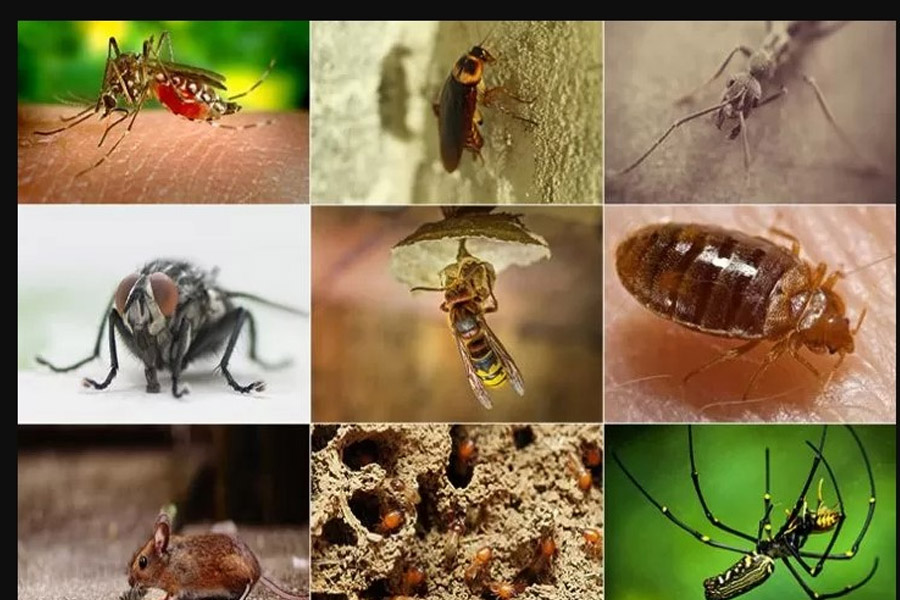
Ants, cockroaches, rodents, spiders, and pantry moths are frequent visitors. Moist areas can attract silverfish, while gardens near walls may draw earwigs or slugs. Seasonal shifts also matter. Warm spells bring ant trails. Cold nights push rodents indoors seeking shelter and steady food.
How often should I check for gaps or entry points?
A brief check every quarter works well. Inspect door sweeps, window frames, vents, and utility penetrations around pipes and cables. After strong wind or heavy rain, take a minute to spot new cracks or loosened seals. Annual resealing keeps small openings from turning into highways.
Does compost increase the risk of pests moving indoors?
Compost can attract insects if it sits open or stays too wet. Use a bin with a tight lid, balance green and brown materials, and turn it regularly to encourage heat and proper breakdown. Place compost a short distance from the house and keep the path between garden and wall clear of leaf piles.
What kitchen habits make the biggest difference at night?
Clear food from benches and tables. Wipe surfaces. Rinse or stack dishes tidily. Seal bread, cereals, and dry goods in containers rather than leaving bags open. Sweep crumbs that collect under appliances if you notice them. Ten minutes is usually enough to cut off scent trails and remove attractants.
How can I tell if moisture is attracting pests in hidden spots?
Look for condensation rings, soft plaster, a musty smell, or darkened lines in window tracks and corners. Lift bath mats and check beneath, especially after consecutive showers. In laundry areas, feel the wall or floor for cool dampness. If towels or fabrics never dry fully, increase ventilation and track down dripping valves.
When should I call for professional help?
Call if sightings repeat or escalate, if you find droppings or nests, or if you notice chewing or damage to stored items. Persistent trails, noises inside walls, or activity that returns after basic cleaning suggests a hidden source. A professional can identify entry points, nesting spots, and moisture issues that are easy to miss.