Why Better Treats Change Training
Healthy treats do more than fill a pocket. The right bite steadies focus, fuels energy, and keeps the stomach at ease. Used well, treats turn lessons into a rhythm your dog can follow, like a steady drumbeat. Each reward says yes, that choice, do that again. Over time, these tiny wins build trust, confidence, and a smoother bond between you and your dog.
Fruit Treats That Keep Focus
Fresh apple slices bring a crisp snap and light sweetness that many dogs love. Always remove the core and seeds, then cut thin slices or small cubes. The crunch wakes up attention without weighing your dog down. Keep pieces small enough to swallow in a heartbeat so training keeps moving.
Soft banana pieces work when you want gentle texture and quick chewing. Slice into pea-sized bits and hand out one at a time. Bananas are naturally sweet, so offer sparingly, especially for dogs watching their weight. Their softness makes them a friendly choice for puppies and seniors.
Veggies With Calm Energy
Simple cooked sweet potato is comforting. Steam or boil without salt or butter, then dice tiny cubes. Your dog will chew rapidly and re-engage with the following cue because to its moderate flavor and soft texture. Sweet potato provides sustained energy for long play or practice sessions.
Plain cooked pumpkin is another soft, mild option. Use plain cooked pumpkin or plain canned pumpkin, not pie filling. Spoon out tiny portions or form small patties once cool. Pumpkin can feel calming for sensitive tummies and offers a smooth change of pace when your dog needs something gentle.
Carrot bites deliver crunch and color. Slice thin coins or matchsticks for quick eating, especially for small dogs. If your dog prefers softer textures, steam lightly until tender. Carrots are low calorie and easy to carry on walks, perfect for quick yes moments after simple cues.
Lean Proteins Dogs Crave
Plain cooked chicken is a high-value classic. Poach, bake, or boil boneless, skinless pieces with no seasoning. Let it cool, then cut into soft, pea-sized chunks. The scent alone tends to hold attention. Skip spicy rubs, garlic, and onion, which are unsafe for dogs. Debone carefully and keep portions small during training.
Plain cooked egg bits are light and easy to prepare. Hard boil or scramble without oil or salt, then chop into tiny cubes. Egg treats are gentle, quick to chew, and puppy friendly. Offer modest amounts if your dog is new to eggs, and watch for any sensitivity.
Fish cooked simply has a lovely scent and soft texture. Choose unseasoned deboned salmon, cod, tilapia, or pollock. Cool completely and chop into little pieces so your dog can swallow quickly and learn. Avoid smoked or salted seafood and examine bones.
Gentle Grain and Dairy Options
Plain cottage cheese in small amounts can be a creamy change of pace. Offer a teaspoon or two as an occasional special reward, and consider low fat versions for dogs that need lighter snacks. Some dogs are sensitive to dairy, so start small and watch your dog’s response.
Plain cooked oats can be shaped into soft bites once cool. Cook oats with water only, let them set, then form tiny balls or cut small squares. These chewy morsels are easy on the stomach and useful for dogs that train best with softer textures. Avoid sweeteners, especially xylitol, which is toxic to dogs.
Training With Treats the Smart Way
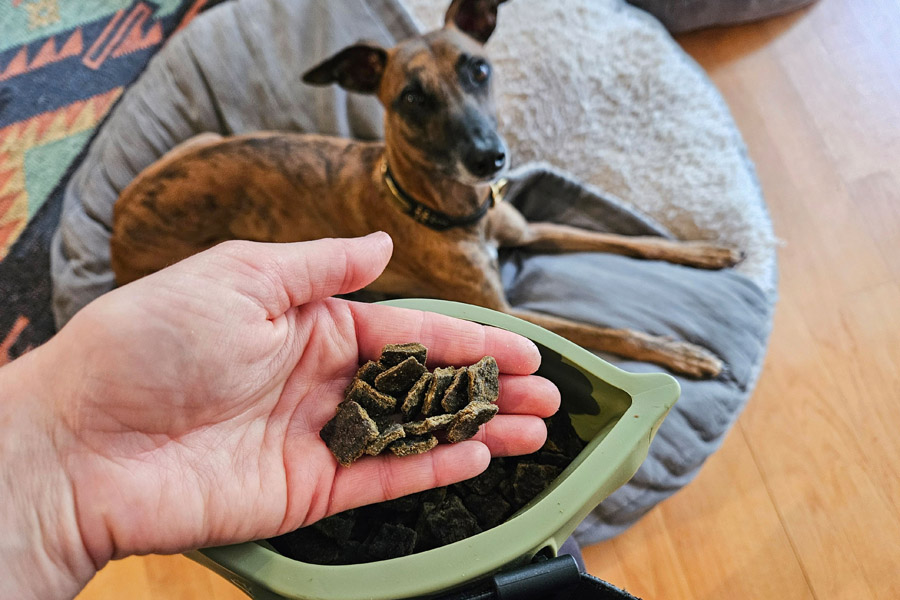
Use small portions. Bite size should be no bigger than a pea for most dogs, smaller for tiny breeds. The goal is quick swallow, quick reset, next cue. When treats are small, your dog stays focused instead of stopping to chew.
Reward at the right time. Mark the moment your dog gets it right, then treat immediately. Timing acts like a green light for the brain. Right action, right now, reward. That clear link speeds up learning and steadies behavior.
Keep treats soft during long sessions. Soft pieces chew fast and keep your flow intact. If your dog works outdoors or gets jazzed by distractions, bring a few higher value soft treats to cut through the noise.
Keep the total treat load in balance. As a simple rule, aim to keep treats near 10 percent of daily calories. Adjust portions for small dogs, sedentary days, and weight goals. If training runs long, switch to lower calorie options like thin carrot slices or small pieces of apple.
Balanced Treat Tips for Daily Wellness
Mix treat types across the week to keep curiosity alive. Pair a soft reward one day with a crisp option the next. Variety adds texture to the routine and keeps your dog checking in with bright eyes.
Use treats to build confidence. Reward small steps toward a new skill, then shape toward the final behavior. Each success stacks like bricks, and the wall goes up before your dog even notices the height.
Keep treats fresh and simple. Choose foods without added salt, sugar, or seasoning. Store cooked treats in airtight containers in the fridge and portion only what you need for the session. Plain ingredients are easier on digestion and easier to trust.
FAQ
Are apples safe for dogs?
Yes, apples are safe in small pieces. Remove the core and seeds before serving, since apple seeds contain compounds that are unsafe in quantity. Keep the peel if your dog likes it, and serve thin slices or tiny cubes for quick chewing.
How many treats should I use during training?
A good guideline is to keep treats near 10 percent of your dog’s daily calories. During short sessions, you can use more pieces by making each piece smaller. On heavy training days, reduce meal portions slightly or favor low calorie treats like thin carrots.
Can puppies have eggs and chicken as training treats?
They can, as long as the food is fully cooked, plain, and offered in very small pieces. Start with a tiny amount to check for any sensitivity. Keep textures soft so puppies can swallow quickly and return to the task.
What fish is best for dog treats?
Deboned, cooked salmon, cod, pollock, or tilapia are solid choices. Serve plain without seasoning or oil, and cut into tiny pieces. Avoid smoked and salted fish. Always check for bones before treating.
Is cottage cheese a good idea for dogs that are lactose sensitive?
Only some dogs tolerate dairy well. If your dog is sensitive, skip cottage cheese or try a tiny test amount of a low fat option. Watch for any signs of digestive upset. There are plenty of non-dairy treats that work just as well.
Are raw sweet potatoes or raw carrots okay as training treats?
Raw carrots are fine if cut small for safety. Raw sweet potatoes are hard to digest and can be a choking hazard, so cook them until soft, then dice into tiny cubes. Soft textures help keep training fast and focused.
Should I season or oil the treats to make them tastier?
No. Avoid salt, sugar, oils, and spices, especially garlic and onion, which are unsafe for dogs. Plain foods are safer, easier on digestion, and still highly rewarding when cut to the right size and used at the right moment.