Energy Efficiency Is the New Baseline
Across Tennessee, energy efficiency has moved from a bonus to a baseline expectation. Buyers are looking closely at how a home manages heat, cold, and electricity. In a climate that can swing from humid summers to crisp winters, efficient systems keep comfort steady and bills down. Think of a well sealed home as a thermos. It holds the desired temperature, wastes less energy, and saves money month after month.
High-efficiency HVAC systems minimize energy use and maintain temperature. Conductor-like smart thermostats control comfort and timing in each zone to use energy efficiently. LED lighting saves power and brightens spaces without breaking the bank. Buyers who value savings like Energy Star equipment’ steady performance and lower utility prices. Detailed air sealing and insulation limit drafts and heat loss, making the home quiet and sturdy. These modifications show purchasers the home is modern, affordable, and future-ready.
Solar Readiness Gains Momentum
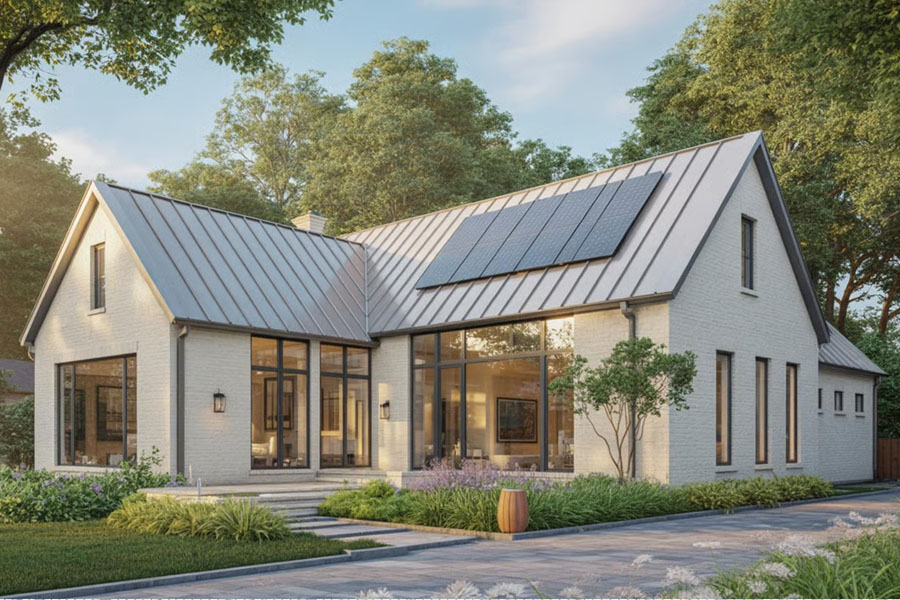
Not every roof is ideal for solar, yet solar readiness is drawing more attention from Tennessee buyers every year. The idea is simple. If the site has reasonable sun exposure and the home is prepared for a clean energy system, the path to lower power bills is clearer. Prewired conduits, space for inverters, and updated electrical panels signal that solar can be integrated without major disruption.
Buyers are also asking about energy monitoring and storage. Hybrid setups that pair panels with batteries speak to resilience during outages and flexibility with time of use rates. Even without panels installed, a home that has thought ahead stands out. It suggests planning, sustainability, and readiness for a changing energy landscape. Younger buyers in particular view solar as both a lifestyle choice and a financial investment. For many households, it is the bridge between traditional utility dependence and self directed energy management.
Healthier Materials and Cleaner Air
Indoor air quality has stepped into the spotlight. More buyers want homes built with materials that avoid harsh chemicals and reduce off gassing. A space that breathes well feels lighter and more inviting, and it supports long term wellness for the people who live there.
Low VOC and zero VOC paints keep odors and irritants to a minimum. Flooring that relies on bamboo or reclaimed wood offers durability with a smaller environmental footprint, and it brings character to rooms without sacrificing quality. Countertops made from recycled or sustainably sourced materials offer modern style that aligns with eco values. Insulation that uses cellulose or cotton adds warmth and sound dampening while avoiding foam based compounds. Natural fiber carpets help reduce allergens and create soft, comfortable surfaces without the chemical haze some buyers worry about. Together, these choices build a quiet, clean interior that feels fresh and grounded.
Smart Water Use Indoors and Outdoors
Water efficiency matters more each year as weather swings test systems and budgets. Inside the home, low flow faucets and showerheads reduce use while maintaining strong performance. Dual flush toilets give flexibility for daily routines without wasting water. Leak detection devices add a layer of protection, alerting homeowners before small leaks become costly problems.
Outside, landscaping can change the water story entirely. Native and drought resistant plants demand less irrigation and typically thrive in local conditions. Mulch retains soil moisture and keeps roots cool in summer. Rain barrels and simple collection systems capture free water from the sky, giving gardens a sustainable source during dry spells. When a yard is designed with water wise principles, it becomes more resilient and easier to maintain. Curb appeal grows, and utility costs shrink.
Everyday Design That Encourages Sustainable Habits
Beyond mechanical systems, Tennessee buyers are drawn to homes that gently guide daily life toward greener habits. A dedicated recycling station reduces clutter and makes sorting second nature. A small compost area or bin turns kitchen scraps into nourishment for soil, closing the loop in a practical way. Laundry rooms with high efficiency washers and well ventilated layouts cut water and energy use while keeping fabrics fresher.
Smart power strips reduce vampire load from electronics and media devices. High performance windows paired with simple shading strategies moderate indoor temperatures without heavy HVAC use. Subtle choices like LED night lights and efficient task lighting make rooms safer and more welcoming without inflating the electric bill. These details show thoughtful design. They whisper to buyers that sustainability is built in, not bolted on.
Why Eco Features Strengthen Market Appeal
Eco smart homes do more than lighten the environmental footprint. They connect with buyer priorities around savings, comfort, and health. When a property demonstrates concrete, measurable benefits such as lower utility expenses and improved indoor air, it generates confidence. Buyers see fewer pending upgrades and a smoother path after closing.
Energy improvements often accelerate the sales timeline. Listings that tout efficient HVAC systems, modern insulation, and smart controls are easier to market and easier to justify at stronger prices. Materials that avoid heavy chemicals bring a sense of calm and cleanliness that photographs well and shows even better. Water wise landscaping keeps the yard attractive through seasonal shifts, which can be the difference between a fleeting glance and a scheduled showing. In short, green features help a home speak clearly to modern values while sharpening its competitive edge.
The Rising Standard Across Tennessee
Sustainability is moving from trend to expectation in Tennessee. What once felt niche is becoming part of the everyday conversation between buyers and sellers. Energy efficient systems are a baseline. Healthy building materials are a trusted advantage. Water smart design is a practical must in many neighborhoods. The direction is unmistakable. Homes that embrace these elements meet buyers where they already are.
There is also a future proof quality to eco upgrades. As energy costs fluctuate and climate considerations grow, households with efficient systems and resilient designs will fare better. A home prepared for solar can adapt to new technologies. A yard shaped around native plants can weather seasonal extremes with grace. Indoor materials chosen for health are unlikely to fall out of favor. Sustainability aligns not just with current tastes but with the arc of housing priorities in the region.
FAQ
What energy efficient features matter most to Tennessee buyers?
Buyers look for high efficiency HVAC systems, smart thermostats with zoning, strong insulation with good air sealing, LED lighting, and Energy Star certified appliances. These upgrades work together to stabilize comfort and reduce monthly bills, which is a priority across the state.
Are solar panels practical for Tennessee homes?
Solar can be practical when the roof has decent sun exposure and the electrical system is ready. Even homes without panels benefit from solar readiness, such as prewired conduits, space for an inverter, and updated panels. Many buyers value the option to add solar later, and some are interested in battery storage to improve resilience.
Which materials help improve indoor air quality?
Low-gassing materials are evident. VOC-free paints, bamboo or reclaimed wood flooring, recycled or sustainably sourced countertops, cellulose or cotton insulation, and natural fiber carpets are popular. These materials improve interior cleanliness and comfort.
How can landscaping reduce water use while keeping curb appeal strong?
Native and drought tolerant plants typically require less irrigation and are well suited to regional conditions. Mulch helps retain soil moisture and keep roots protected. Simple rain collection with barrels can supply garden water during dry periods. Thoughtful design delivers a lush look without heavy watering.
Do eco upgrades really increase resale value?
Eco upgrades often improve marketability and perceived value. Buyers tend to favor homes that promise lower operating costs and healthier living spaces. Efficient systems, clean materials, and smart water strategies can help a property stand out, shorten time on market, and support stronger offers.