Start with a Family Conversation
Moving out of a rental is more than logistics. It is a farewell to a stage where everyday life took center stage. Begin with a family talk that sets the tone. Explain why you are moving, where you are going, and what changes to expect. Children often worry in silence. Invite questions and answer plainly. Curiosity about a new school, bedroom size, or nearby parks is natural.
Give kids a sense of control. Offer small choices, like which toys to pack first or what color labels to use on their boxes. Plan a goodbye ritual that suits your family. Walk through favorite corners of the home. Take photos, record a few short videos, or create a memory box with ticket stubs, drawings, or a leaf from the backyard tree. Simple gestures make the transition feel less like a cliff and more like a bridge.
Map Out Cleaning for Deposit Success
Your deposit hinges on the condition of the property at handover. A precise cleaning plan is a safety net. Decide early whether to hire professionals or handle it yourself. End of tenancy cleaning services can be worth the cost for larger homes or busy households. If you go this route, request a written scope and keep the receipt. If you prefer DIY, build a checklist that mirrors landlord expectations.
Aim for a top to bottom approach. Start with ceilings, fans, and vents. Wipe walls and skirting boards, especially behind furniture. Degrease kitchen cabinets and appliances, including the oven, stove top, and extractor hood. Pull out the fridge to clean coils and floor edges. Descale taps and shower heads. Scrub grout and polish glass in bathrooms. Shampoo carpets if stained and mop hard floors with attention to corners. Do not forget windows, tracks, and sills. Replace dead bulbs, test smoke alarms, and ensure batteries work. Small details protect your wallet.
Pack with Purpose and Calm
Packing can feel like trying to bottle the wind. Slow it down with a clear method. Start early with rarely used items such as seasonal clothing, extra bedding, and books. Progress toward daily essentials as moving day approaches. Keep a donation bag nearby so unused items do not make the trip.
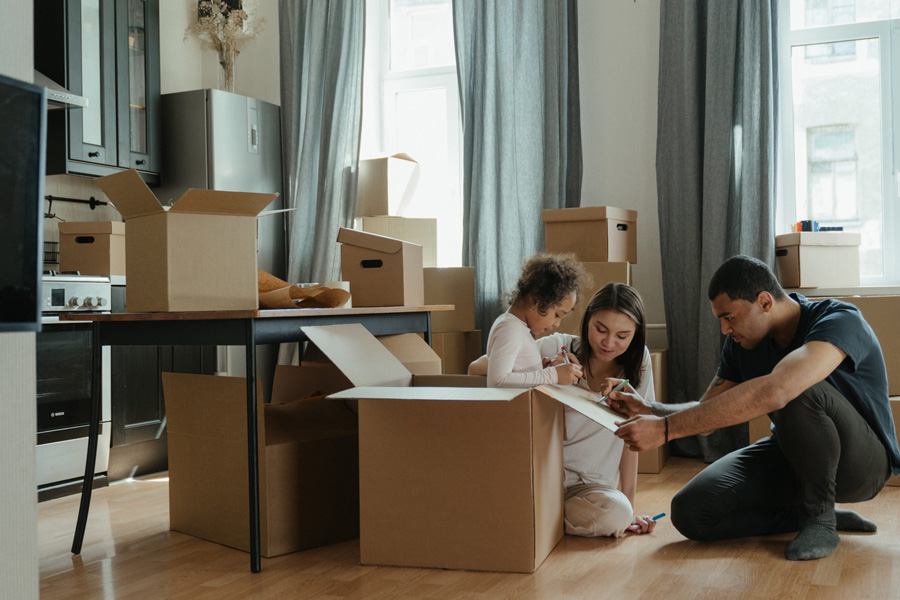
Label every box on at least two sides. Use color tape for rooms or a simple numbering system tied to a master list. This keeps moving day quick and unpacking sane. Invite kids to pack their own room, beginning with nonessentials. Let them decorate labels or add a sticker that marks ownership. It eases anxiety and speeds up the work.
Pack an essentials box that travels with you. Include basic toiletries, medications, chargers, a change of clothes for each person, a few cleaning wipes, a roll of trash bags, a simple toolkit, pet supplies if needed, and key documents such as IDs, leases, and school records. Add snacks and a favorite comfort item for each child. The first night feels easier when the important things are within reach.
Keep Kids Emotionally Anchored
Routines are anchors during a move. Maintain consistent bedtimes and familiar meals where possible. Schedule short breaks in the packing timeline to check in with your children. Ask how they feel. Listen without rushing to fix. Validation beats quick solutions. If they feel shy about saying goodbye to friends, plan a farewell playdate or a quick video call. Share the map of your new area and explore photos together so the unknown becomes a little more known.
Give them a job with clear success criteria. Maybe they are in charge of labeling their boxes or making a small moving day playlist. Purpose builds confidence. If emotions run high, break tasks into tiny steps and celebrate completion. Even a single drawer cleaned out can be a win.
Ace the Final Inspection
Treat the final inspection like an opening night. Preparation reduces nerves. Compare the current condition to your original move in inventory and photos. Fix small issues where you can. Tighten loose handles, replace missing screws, patch tiny nail holes, and wipe scuffs that come off with a magic sponge. If the lease requires garden maintenance, mow the lawn, trim edges, and remove weeds.
On inspection day, open blinds for natural light and have all rooms accessible. Bring the move in inventory, receipts for any professional services, and your checklist. Before returning keys, take clear time stamped photos or videos of every room, inside closets, inside appliances, and around fixtures. Photograph meter readings and keep a copy. If questions arise later, you have a record that speaks calmly and clearly.
Settle Into the New Place
The first 48 hours decide how the home feels. Unpack the kids rooms first so they have a sanctuary. Make beds, set out a favorite toy, and hang one familiar poster. Next, set up a functional kitchen corner with a kettle, basic pans, plates, cutlery, and a small snack station. Simple comforts keep energy steady.
Take a short walk around the block. Notice parks, bus stops, and corner shops. Introduce yourselves to a neighbor or two if the moment feels right. Small connections turn a map into a neighborhood. Keep expectations gentle. Everyone adjusts at a different pace. Some kids jump in. Others dip a toe. The goal is progress, not perfection.
FAQ
How far in advance should we start preparing to move out?
Begin six to eight weeks before your lease ends. This window lets you declutter, schedule cleaners or repairs, gather packing supplies, and handle utility changes without rushing. Families often need extra time for school transfers and emotional support.
What counts as fair wear and tear versus damage?
Fair wear and tear is the natural aging of a property from normal use, such as minor carpet wear or light paint fading. Damage involves neglect or misuse, like broken tiles, deep stains, or holes in walls. Review your lease and entry photos, then repair what clearly goes beyond normal use.
Is professional cleaning required to get the deposit back?
Most leases do not require professional cleaning, but they do require the property to be as clean as at move in. Professional services can help meet that standard, especially for ovens, carpets, and bathrooms. If you hire cleaners, keep receipts to show good faith.
What should go in our essentials box?
Pack toiletries, medications, first aid basics, chargers, a power strip, a small toolkit, trash bags, paper towels, a few dishes, cutlery, a kettle or coffee maker, pet supplies, pajamas, a change of clothes, and vital documents. Add snacks and comfort items for children.
How can I help my child cope with leaving friends?
Plan a farewell moment and set up ways to stay connected. Share phone numbers or emails with parents, schedule a call or game session after the move, and encourage your child to make a small photo album. Having a plan for continued contact eases the sting of goodbye.
What should I do if I cannot attend the final inspection?
Request a pre checkout walkthrough or detailed inspection report with timestamped photos. Provide your own photo set taken on handover day. Share receipts for any professional cleaning or repairs. Confirm a forwarding address in writing for deposit return.
When should I switch utilities and set up mail forwarding?
Arrange utility termination for the day after move out, and activation at the new place for the day before move in if possible. Set mail forwarding one to two weeks before the move so important letters follow you without gaps.
How do we avoid losing the deposit over small issues?
Use your move in inventory as a benchmark. Clean thoroughly, repair minor damage, replace bulbs, and check smoke detector batteries. Document everything with photos. Provide receipts for cleaning or maintenance. Clear communication and proof often resolve disputes before they start.