A New Relationship With Electricity
There is a quiet shift underway in how people think about power. Households, travelers, and businesses that once depended entirely on the grid are discovering a simpler path to energy control. The familiar hum of fossil-fueled generators is giving way to something gentler. Clean, silent, and remarkably capable, solar generators are stepping from the wings into the spotlight like a long trusted understudy finally taking center stage.
Rising energy costs and unpredictable weather have turned reliability into a daily concern. In response, modern solar systems are proving themselves as practical tools for everyday living, not just niche gadgets. Compact packages of panels and batteries now deliver steady electricity with minimal effort, making personal energy independence feel accessible to nearly anyone.
How Portable Solar Systems Actually Work
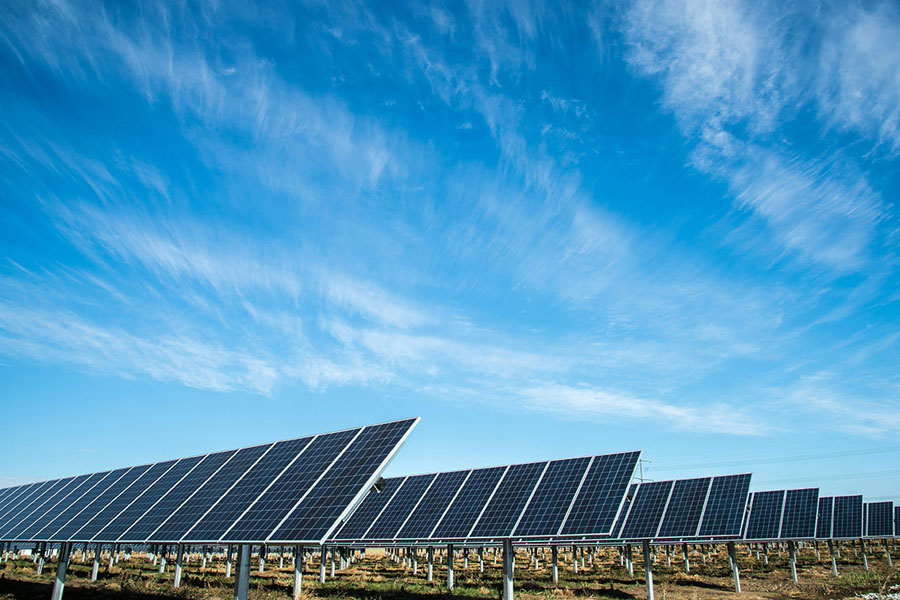
At heart, a solar generator is a straightforward ecosystem. Solar panels capture sunlight and turn it into electrical energy. A battery stores that energy for later use. A charge controller manages the flow so the battery is protected and optimally charged. An inverter transforms battery power into the same kind of AC electricity your appliances expect.
The magic lies in the integration. Today’s units pair high efficiency panels with lithium batteries, intelligent battery management, and pure sine wave inverters. The result is a plug and play experience that feels nearly effortless. You unfold or mount the panels, connect them to the power station, and start using clean electricity without fumes or engine noise. The system becomes a patient companion, absorbing light during the day, then quietly delivering power whenever you need it.
Market Momentum and Why It Matters
Solar has matured from an exotic option into a practical default for many scenarios. Costs have fallen, performance has climbed, and simplicity has improved. People living with frequent outages see solar as a safety net. Remote workers view it as essential infrastructure for laptops, routers, and cameras away from the grid. Outdoor enthusiasts use it to keep lights, fans, and coolers running for days.
External stressors are nudging this adoption forward. Heatwaves challenge grids. Storms disrupt service. Home offices depend on reliable uptime. In that context, a portable, fuel-free power source starts to look less like a luxury and more like common sense. When stability is fragile, solar offers a steady hand.
Everyday Wins With Portable Solar
Picture a van parked beside a pine grove, a folding array of panels spread like a glistening quilt. Inside, a compact power station feeds a laptop, a small fridge, and a fan. For digital nomads, this is not a novelty. It is the difference between juggling battery anxiety and working in calm productivity while camping for weeks.
Elsewhere, in a rural neighborhood where electricity blinks out during storms, a family uses solar to keep lights on, preserve food, and charge phones. With a small battery bank and a modest inverter, a few essential devices continue to run when the grid goes dark. The stress drops. The home feels less fragile.
On job sites, crews rely on rugged power stations to run tools far from outlets. Hammer drills, saws, and compressors demand real wattage, and modern solar generators are meeting that challenge with higher inverter outputs and expandable battery capacity. When power is needed in the field, solar is ready to work.
These scenes share a theme. Solar has crossed the line between hobby and habit. It is becoming part of daily life.
Smart Advantages Without the Noise
Freedom is the first advantage most users notice. Being able to run essentials during storms, reduce grid usage at peak rates, or charge devices off-grid changes the emotional tone of energy. It feels like owning a tiny personal power plant that waits quietly for your cue.
Cost stability is next. Fuel generators guzzle money as they burn through gasoline. Solar generators sit in the sun, soaking up free energy with no refueling and minimal maintenance. The initial investment is offset by steady savings over time, especially when batteries are cycled intelligently.
Silence matters. The roar of a combustion engine can turn a calm night into a rattling intrusion. Solar generators whisper. Fans may hum and inverters may purr, but the overall soundscape stays peaceful. That serenity is a practical benefit in campsites, neighborhoods, and job sites where noise rules apply.
Environmental gains are part of the appeal. Solar generation replaces a portion of fossil-based consumption with renewable power. For many households, that shift carries a deep sense of responsibility and a simple pride in doing something tangible.
Performance Essentials To Weigh
Choosing a solar generator is easier when you focus on the fundamentals that affect real-world use.
- Battery capacity: Determines how long you can power devices. Larger capacity means more hours of runtime and better resilience during cloudy spells.
- Panel wattage: Influences how fast your system refills. Higher wattage helps you recover quickly after heavy use or shorter daylight windows.
- Inverter output: Sets the ceiling for what you can run. A capable inverter handles refrigerators, power tools, and medical equipment with stable, clean AC.
- Cycle life: Signals long-term durability. Quality lithium batteries often deliver several thousand cycles, keeping capacity and performance more stable over years.
- Smart monitoring: Makes energy management easier. App control, real-time metrics, and smart charging strategies help you stretch every watt.
Focus on the devices you need to run, the environments you plan to use them in, and the recharge opportunities available. Those factors guide a balanced choice that suits your lifestyle instead of forcing compromises.
From Backup to Lifestyle
Solar begins as a backup for many people. Then, gradually, it becomes a habit. You start to route small tasks through the power station. You set panels in the garden or on the balcony whenever the sun is bright. You top up during lunch and draw down in the evening. What began as emergency planning becomes a daily rhythm.
That rhythm changes your relationship with energy. You are less anxious about outages. You become more mindful of consumption. You notice the weather in practical ways, like a sailor reading the wind. Energy independence shifts from an abstract idea into a personal choice expressed one kilowatt hour at a time.
FAQ
Are solar generators strong enough to run big appliances?
Yes, provided you choose a unit with the right inverter output and sufficient battery capacity. Many modern systems can operate refrigerators, microwaves, power tools, and sensitive medical devices. Check the continuous and surge ratings of the inverter against the startup demands of your appliances.
How long do solar batteries last?
Lithium batteries in quality systems typically deliver several thousand charge cycles before noticeable capacity drop. Usage patterns, temperature, and depth of discharge influence longevity. With careful management, many users see years of reliable service.
Do solar generators work in cloudy conditions?
They do, but charging slows when sunlight is weak. The battery reserves bridge the gap, letting you keep devices powered during poor weather. Larger battery capacity and higher panel wattage improve resilience through extended overcast periods.
Are solar generators worth it long term?
For many households and professionals, yes. Fuel costs are eliminated, maintenance needs are low, and the systems offer resilience during outages. Over time, the combination of savings, reliability, and flexibility often justifies the initial investment.