Keeping pets outdoors slowly changes how a yard gets used. At first, a structure might feel like a simple shelter, something placed outside and visited once or twice a day. Afterward, those visits add up. Morning feedings, quick checks before heading out, evening routines, and the occasional extra stop all become part of the day. The more time spent outside, the more obvious it becomes that certain designs make life easier while others quietly get in the way.
Outdoor structures end up reflecting habits rather than plans. The way someone walks across the yard, how much they carry, and how long they stay in one place all influence what feels comfortable. As care routines settle in, structure choices start to follow those routines naturally. What works well usually comes down to how often and how easily someone can move through the space.
Entry Frequency and Structure Design
Some animal spaces are visited briefly, while others become part of a daily routine. The difference matters. A structure that feels fine for occasional access can feel cramped or awkward when entered several times a day. Height, layout, and spacing start to feel personal when movement becomes repetitive.
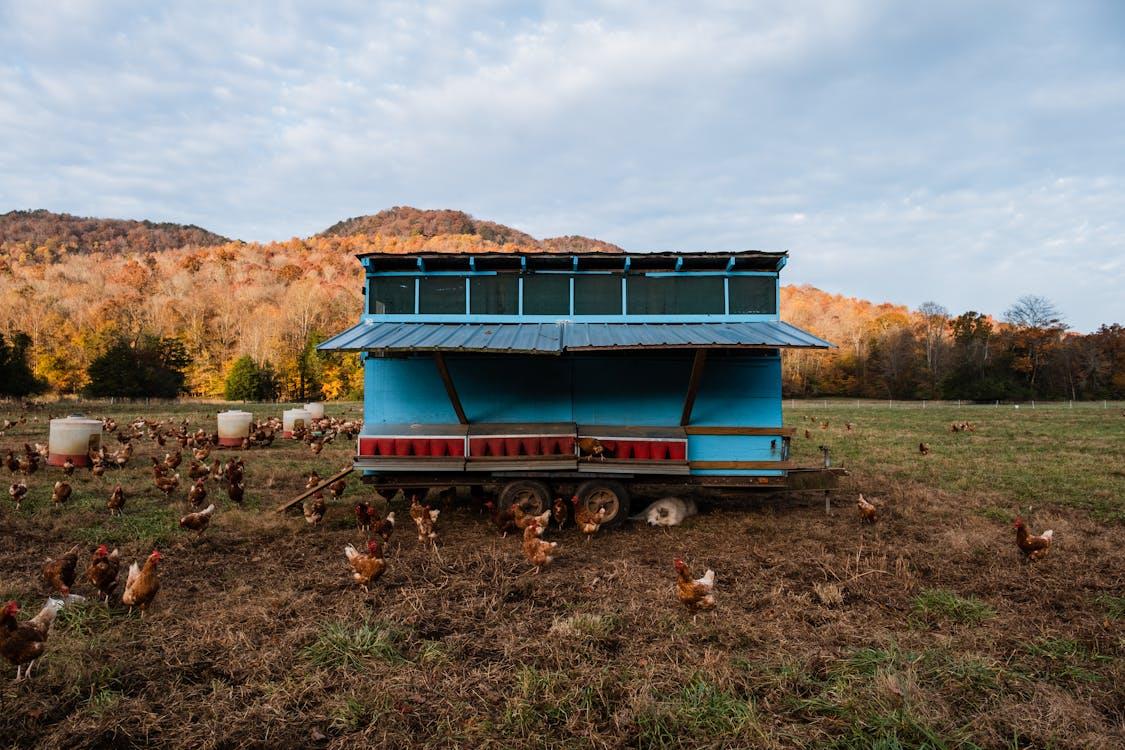
Chicken keepers often notice this early on. Feeding, collecting eggs, cleaning, and checking on the flock require regular entry. And this is why a walk in chicken coop becomes a preferred choice for many people. Being able to step inside comfortably, stand upright, and move without crouching makes daily care feel smoother. The structure becomes a space designed for routine use rather than a quick stop.
Safe and Repeated Access
Access points tend to get more use than expected. Doors are opened while carrying feed, tools, or water. Gates are pushed through with one hand while balancing something in the other. When entry requires extra effort or awkward movement, it becomes noticeable very quickly.
Structures that support repeated access feel intuitive to use. Doors open easily, latches make sense, and entry feels steady underfoot. Moreover, these details reduce frustration and make daily care feel less rushed. Good access supports routine without calling attention to itself.
Visual Monitoring During Routine Checks
Not every visit needs a full entry. Many pet owners like to look in on animals before stepping inside. A glance can confirm that everyone is active, eating, and behaving normally. Structure design that supports this habit saves time and reduces unnecessary disturbance.
Clear sightlines allow owners to stay connected without interrupting animals. Windows, open panels, or thoughtful placement make routine checks feel easy. This kind of visibility supports confidence and helps owners stay aware without turning every check into a full task.
Ventilation and Time Spent Inside
Ventilation feels different when people spend time inside animal spaces. Cleaning, adjusting bedding, or observing behavior often means staying inside longer than expected. Airflow becomes noticeable when tasks take time.
Structures designed with regular human presence benefit from fresh air circulation. Comfortable airflow makes care tasks more pleasant and encourages thorough attention rather than rushing.
Structure Size and Time Investment
Size decisions often focus on animals alone, but time spent inside changes how space is experienced. A structure that fits animals comfortably may still feel tight for someone moving around with supplies. Bending, turning, and reaching all take room.
When owners spend more time inside animal areas, interior space starts to matter differently. A little extra room supports natural movement and makes care tasks feel less confined. Structure size follows daily use rather than simple measurements.
Weather and Daily Care
Weather becomes part of the routine much faster than most people expect. Caring for animals happens on hot afternoons, chilly mornings, and rainy evenings, not only on pleasant days. If a structure does not account for exposure, those daily visits can start to feel inconvenient or uncomfortable.
Placement, roof coverage, and orientation begin to matter once routines settle in. Shade helps during longer summer visits. Shelter from wind or rain makes quick checks easier during bad weather. Given this, owners gravitate toward designs that allow care to continue comfortably, regardless of what the forecast looks like.
Reducing Strain During Repetitive Tasks
Outdoor care often involves repeated motions. Scooping feed, changing water, cleaning surfaces, and reaching into enclosures all add up. When these movements are awkward or require constant bending, the strain becomes noticeable.
Structures that reduce physical strain tend to feel more enjoyable to use. Elevated surfaces, thoughtful layout, and easy reach points support natural movement. These details help care routines feel smoother and less tiring, especially for owners who spend extended time with their animals.
Lighting That Matches Real Schedules
Pet care does not always happen in daylight. Early mornings and evenings are common care windows, especially for people balancing work or family schedules. Lighting quickly becomes essential rather than optional.
Well-planned lighting supports safety and visibility without being harsh. Soft, consistent light helps owners move confidently, notice details, and complete tasks without rushing.
Fitting Structures into Daily Yard Movement
Outdoor structures become part of daily movement patterns around the yard. Paths develop naturally between doors, gates, and animal areas. If a structure interrupts that flow, it can feel awkward or inconvenient.
Good placement feels intuitive. The structure sits along natural walking routes rather than forcing detours. This integration helps care routines blend seamlessly into the day rather than feeling like extra steps added on.
Height, Clearance, and Ease of Movement
Height and clearance affect comfort more than many owners expect. Low ceilings, tight corners, or narrow entryways can make routine care feel cramped.
Structures that allow easy movement feel welcoming. Being able to stand upright, turn comfortably, and move without ducking supports relaxed care. Height and clearance choices often follow experience rather than initial planning.
Balancing Access with Animal Behavior
Easy access matters for people, but containment matters for animals. Different pets respond differently to open spaces, visibility, and movement. Structure design often reflects a balance between convenience and behavior.
Open access supports frequent interaction, while thoughtful barriers support safety and calm. In this way, owners learn which designs allow smooth routines without causing stress or escape risks.
Pet-keeping habits quietly guide outdoor structure choices over time. What starts as a simple setup adapts as routines settle in and daily care becomes familiar. Frequency, comfort, visibility, and movement all shape what feels right. The best designs support both animals and the people who care for them, fitting naturally into everyday life rather than standing apart from it.