You take your car in because the check engine light keeps coming on, the ABS warning flashes, or the traction control system is acting up, yet when you pick it up, the symptoms return within weeks. Frustrating as it sounds, this scenario happens more often than many drivers realise. Not all electrical faults start with a faulty sensor, module or control unit.
In a surprising number of cases, the real culprit is much smaller and very alive: rodents. Gnawing and nesting pests can damage wiring harnesses and insulation in ways that mimic complex electrical failures, leading to misdiagnosis, repeated repairs and escalating costs.
Let’s take a look at why pest-related car faults are frequently overlooked, how they mimic typical electrical issues on diagnostic scanners, and what you can do to address both the damage and the source.
Introduction – The Repair That Never Seems to Stick
You bring your car to a workshop after a dashboard full of warning lights. The mechanic scans for error codes, finds a suspect sensor or module, replaces it, and clears the codes. The car drives fine for a short time, then the same warning lights come back.
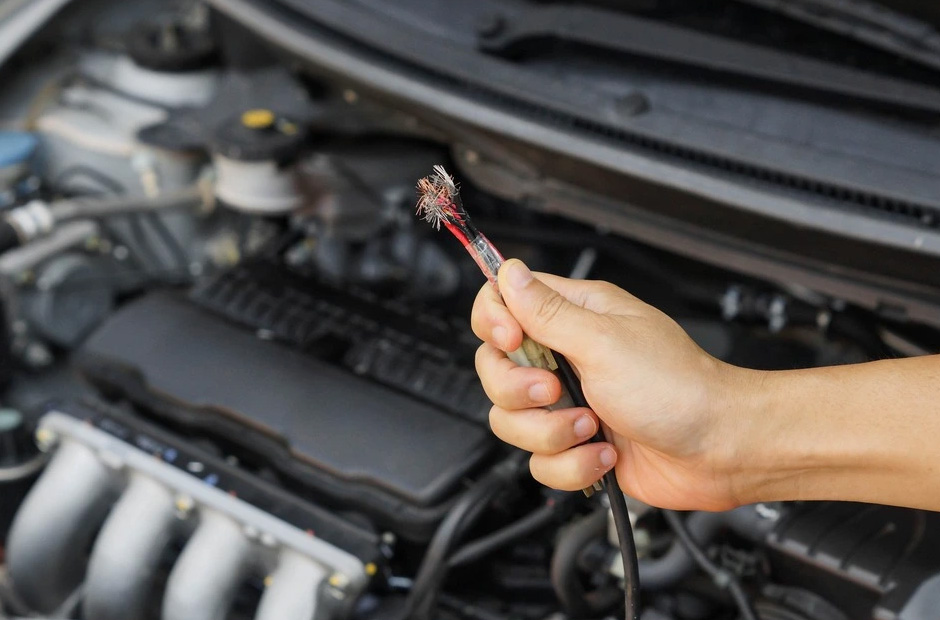
This cycle can repeat unless the true cause, gnawed wiring, is identified and fixed, because snakes of wire harnesses knocked around under the bonnet are as likely to trip error codes as genuine electronic faults.
Unfortunately, most standard diagnostic routines are code-driven, not physically investigative, meaning a chewed wire that intermittently loses connection masquerades perfectly as a failed component.
How Rodent Damage Mimics Electrical Faults
Modern cars rely on an intricate network of electrical signals. Every sensor, actuator and control module sends and receives data through bundled wiring looms. When rodents chew on these wires, stripping insulation parts or cutting circuits, several types of faults can occur:
- Intermittent connections that cause misfires, sensor errors or erratic behaviour.
- Open circuits triggering ABS, airbag or engine warning lights.
- Shorts that may burn out fuse links or modules.
- Ground faults that confuse control units about real faults versus wiring issues.
Because diagnostic scanners cannot see the physical condition of wires buried under panels, they often point technicians toward the nearest faulty component instead. Until a mechanic physically inspects the harnesses, the underlying cause remains undetected.
Some vehicle insurers report hundreds of claims each year for vermin damage in cars, with chewed wiring one of the most common issues. Often, owners only discover the true cause when a mechanic finally investigates under the bonnet or behind the dash.
Why It Gets Missed So Often
Standard automotive diagnostics centres around error codes: technicians read codes, identify the most likely failed part, replace it, and clear the memory. This strategy works when a sensor actually fails, but it fails when the problem is intermittent and physical, like a chewing rodent leaving wire strands frayed and connections unstable.
Worse, rodents often nest in hard-to-reach areas like behind the dashboard, in the glovebox, inside air intake snorkels or under the engine cover, so simple visual checks can miss them entirely. That means a fault appears to come back after repair, leaving both mechanic and owner puzzled.
In many cases reported by mechanics across Australia, rodents, especially rats and mice, seek refuge in warm engine bays or dry interior spaces, and once settled, they chew wiring to satisfy their instinctive need to wear down their constantly growing teeth.
The Hidden Source – Pests Around the Property
Rodents don’t magically appear under your bonnet; they’re usually coming from around your property. Cars parked in garages close to gardens, sheds, rubbish bins or compost heaps are particularly at risk because that environment attracts rats and mice.
To truly stop repeat wiring damage, you need to address the pest activity around where your vehicle is parked. Professional rodent control aims to eliminate the animals and reduce the likelihood they will return, and this extends to your vehicle, not just household interiors. When rodents are removed from your property and excluded from entry points, they have fewer opportunities to take shelter under your bonnet or inside your cabin, reducing the risk of ongoing electrical damage.
What a Proper Inspection Should Include
A comprehensive assessment for suspected rodent damage goes far beyond reading codes with a scanner. It should include:
- Visual inspection of wiring looms – especially those running through the engine bay and inside the dash.
- Checking for nesting material or droppings – shredded fabric, paper, or leaves are telltale signs.
- Examine underbody harnesses and areas near air filters where pests often enter.
- Inspecting sensor connectors and fuses for bite marks or corrosion.
- Borescope checks into tight cavities where visual inspection might not reach.
Choosing the right service provider is critical. A car mechanic service in Sydney that only replaces parts based on codes is less likely to catch pest-related damage than one that physically inspects and tests circuits for continuity while looking for evidence of rodent activity. A mechanic who combines physical inspection with scanning tools can pinpoint the source of the anomaly, not just the symptom.
Steps to Protect Your Vehicle Going Forward
Once a physical cause like rodent damage is found and repaired, your work shouldn’t stop there. Protecting your vehicle requires both mechanical vigilance and behavioural changes:
- Check under the bonnet regularly for droppings, nesting signs or foul smells, especially if the car has been parked for a while.
- Park in clean, well-lit areas away from bushes, rubbish or food sources that attract rodents.
- Avoid leaving food, wrappers or sweet drinks in the car; these scents draw pests.
- Regularly run the vehicle rather than leaving it parked unused, as warm, infrequently used engines attract rodents looking for shelter.
- Consider professional rodent control measures around your property to reduce local populations and double protection for sensitive wiring.
Mechanics often warn that without addressing the source of damage, families will end up back in the workshop within weeks because the same pests will return and repeat the damage, leaving you with more bills and ongoing frustration.
Conclusion
Chewed wiring may sound like an unusual cause of car faults, but it’s far from rare. In Australia, mechanics regularly see vehicles with electrical problems caused not by failing sensors, but by rodents that have chewed through insulation and circuits while seeking food, warmth and shelter. Because standard diagnostics don’t always detect this kind of physical damage, it’s frequently misdiagnosed as an electronic fault, leading to repeat repairs, unnecessary part replacements and escalating costs.
A proper fix involves both thorough inspection and addressing the broader issue of rodent activity around your vehicle. That means combining mechanical expertise with pest management, not just swapping out modules and sensors, but eliminating the critters that caused the problem in the first place. With this combined approach, you’re far less likely to repeat the same expensive cycle.
FAQs
Why do rodents chew car wiring?
Rodents are instinctively driven to gnaw constantly to keep their teeth trimmed, and engine bays provide warmth, shelter and insulation materials that attract them. Soy-based wiring coatings are particularly appealing.
How can chewed wiring mimic other electrical faults?
Frayed or partially severed wires cause intermittent connections and shorts that trigger error codes, leading mechanics to replace sensors or modules that aren’t actually faulty.
What signs suggest rodent damage in a vehicle?
Look for nesting material, droppings, shredded insulation, strange smells or evidence of chewing under the bonnet and inside panels.
Can DIY pest control help protect my car?
DIY deterrents like removing food sources, sealing entry points, and using repellents can help, but professional rodent control is more effective at eliminating infestations around your property.
How do I choose a mechanic for suspected rodent damage?
Choose a car mechanic service in Sydney that performs physical inspections of wiring and harnesses, not just code-based diagnostics. A thorough mechanic will check for physical damage and test circuits directly before replacing components.