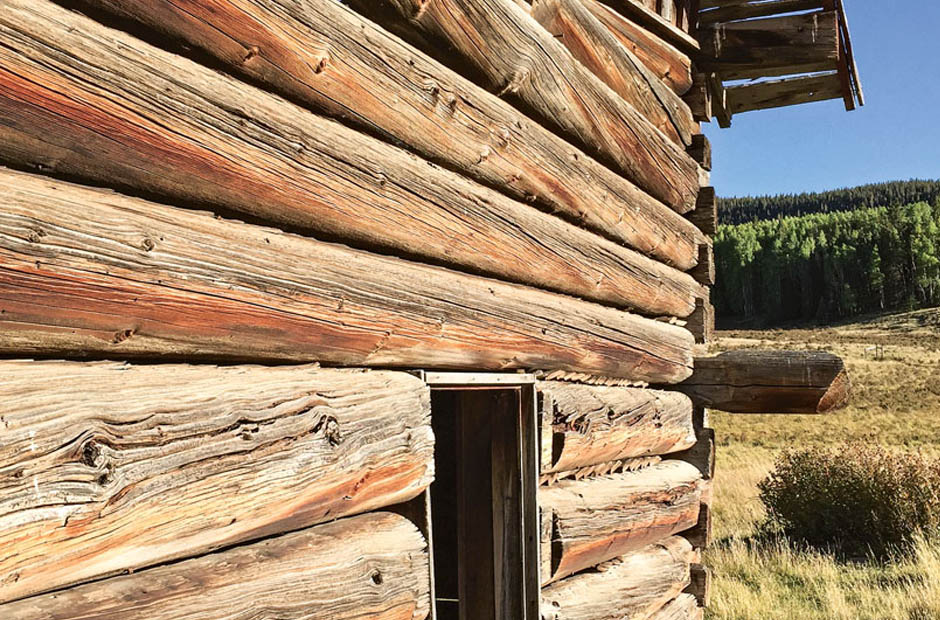
Log homes provide unmatched natural beauty through the warm tones and raw texture of aged timber. They also provide enhanced energy efficiency; their solid walls deliver proper insulation, keeping interiors warm in winter and cool in summer. Wood species in log homes face environmental pressures like moisture damage, which makes proactive repair key to preventing structural deterioration. Here are a few challenges of log home repair and how to navigate them.
Structural Shifting and Settling
Woods used in log homes naturally shrink and settle as they gradually dry and compress under their own weight. These ongoing natural log movements lead to gaps and misaligned doors or windows. Water can enter through the created gaps, weaken the logs, and accelerate log decay; this ultimately compromises structural integrity. As logs continue to settle and shift, they disrupt seals such as chinking, leading to more invasive repair work.
Log home repair specialists install strategic support systems, such as adjustable screw jacks, so walls can settle vertically and uniformly. Verticle settling and lack of structural shifting help keep doors and windows functional. Log repair experts also navigate this challenge by realigning walls, precisely filling gaps caused by settling, and elevating sagging logs. This helps prevent water infiltration, drafts, and potential rot.
Moisture and Water Intrusion
Wood species are naturally porous, so they absorb water and accelerate decay in log homes. Water intrusion and damage in log homes can also result from failed sealants or deteriorated chinking. Damp logs create ideal conditions for mold and mildew to grow, spread rapidly, and damage interior surfaces, which complicates repairs. Fungi break down the structural integrity of decaying logs, and so they become soft and unable to support the entire home.
Log repair specialists conduct visual inspections to check for soft wood, signs of rot, or water staining before beginning repair work. They also use specialized tools like moisture meters, which pinpoint saturation levels in logs. Repairs involve boring or chiseling out rotted log sections with precision. The contractors then replace the decayed logs with kiln-dried, treated wood that matches the existing species; this helps maintain the home’s aesthetics and improve structural integrity.
Log repair specialists can also use breathable caulks to seal settling gaps. Breathable caulks help block water intrusion while also allowing indoor moisture to vent outside. When decay is minimal and the logs do not need replacing, a repair specialist can apply borate treatments. The treatments help kill the rot fungi; this prevents further damage and allows the logs to dry completely.
Pest Infestations in Wood
Carpenter ants, powderpost beetles, or termites are some wood-boring pests that can slowly weaken your log home’s structural integrity. They tunnel through logs, creating voids that make the wood more brittle and weaker. Wood-boring insects exacerbate existing issues like unstable beams and sagging walls, so precise repair or replacement becomes more challenging. Pest-infested areas in log homes tend to retain moisture. Infested logs become hard to dry during repairs, and this leads to recurring wood deterioration.
Moisture intrusion in logs also attracts more colonies, which can intensify the rot. A log home repair team inspects for pest infestation signs like frass and hollow sounds. Identifying insect infestations early enables these experts to map damage and plan phased repairs, helping prevent recurrence. Experts also conduct targeted log repairs to preserve your log home’s original structure and quickly eradicate pests.
Sealant and Chinking Failures
Failed sealant allows water to infiltrate log seams, leading to rot that spreads rapidly if left unaddressed. The created gaps also allow air leaks, drafts, and energy loss, so your log home becomes uncomfortable to live in. Sealants and chinking may fail due to log shrinkage, improper application, or even freeze-thaw cycles and heat expansion. Repair specialists first prepare the logs by cleaning their surfaces and drying them well before the application. This helps the sealant to bond to the wood solidly.
UV Degradation and Weathering
UV rays break down lignin in logs, and this leads to brittleness, cracking, and loss of structural integrity, which complicates precise repairs. Weathering grays and erodes log surfaces over time. This makes damaged areas on log homes hard to distinguish from superficial wear during inspections. A repair team can address this challenge by precisely removing all compromised logs and replacing them with treated wood. Log repair experts also apply UV-resistant sealants post-repair.
Hire Log Home Repair Professionals
Navigating repair challenges in log homes requires precise techniques, such as the application of UV-resistant sealers. Professionals apply these targeted methods to help preserve your log home’s rustic charm and efficiency. Contact a professional team to get a quote for your home’s repair.