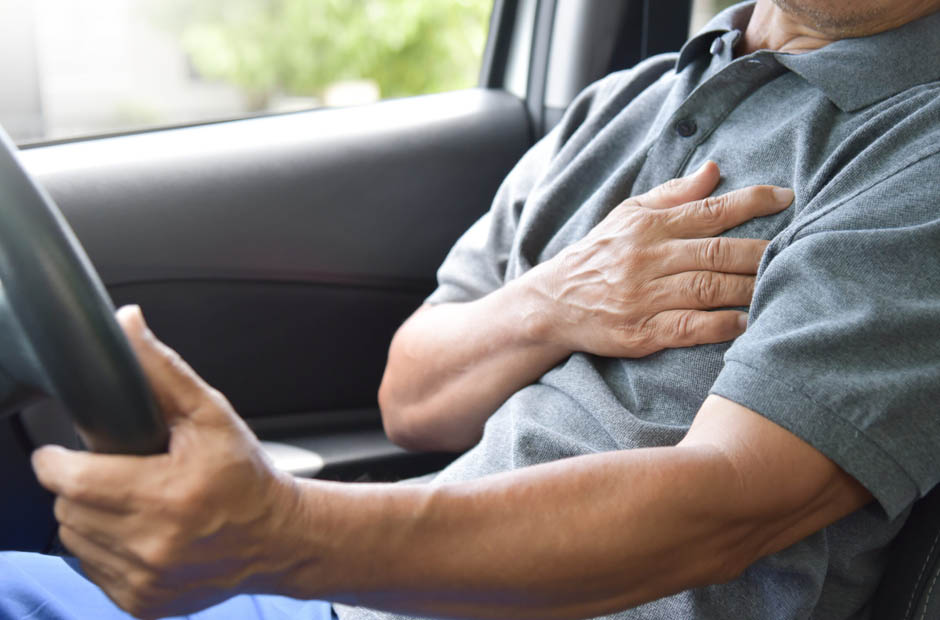
Car accidents often result in injuries that are immediately visible, but chest injuries can be both serious and deceptively subtle. The force of a collision—especially from seatbelts, airbags, or impact with the steering wheel—can place immense pressure on the chest area. This makes it one of the most vulnerable parts of the body during a crash.
What makes chest injuries particularly concerning is that they may not always be obvious right away. Pain may develop gradually, and internal damage can go unnoticed without proper medical evaluation. Understanding the types of chest injuries that commonly occur after a crash can help individuals recognize symptoms early and seek appropriate care.
Broken Ribs Are Among the Most Common Injuries
Rib fractures are one of the most frequent chest injuries in car accidents. The sudden force of impact can crack or break ribs, especially when the chest strikes a hard surface or is compressed by a seatbelt.
While a broken rib may sound straightforward, it can be quite painful and limit breathing. In more severe cases, broken ribs can puncture nearby organs or blood vessels, leading to additional complications. Proper diagnosis and monitoring are essential to prevent further injury.
Bruising and Soft Tissue Damage Can Be Misleading
Not all chest injuries involve broken bones. Bruising to the chest wall, often caused by seatbelt restraint, is very common. This type of injury may appear as discoloration or tenderness across the chest and can sometimes be mistaken for minor.
However, soft tissue injuries can still be painful and may indicate deeper trauma. The presence of bruising—especially in a seatbelt pattern—can be a sign that significant force was involved, warranting further medical evaluation.
Lung Injuries Can Affect Breathing and Oxygen Levels
The lungs are particularly vulnerable during a crash. Injuries such as pulmonary contusions (bruising of the lung tissue) can interfere with the ability to breathe properly. This condition may not be immediately apparent, but it can worsen over time.
Symptoms may include shortness of breath, chest pain, or difficulty breathing. Because these issues can escalate quickly, prompt medical attention is critical to ensure proper oxygen levels and prevent complications.
Collapsed Lungs Require Immediate Attention
A pneumothorax, or collapsed lung, occurs when air leaks into the space between the lung and chest wall. This can happen as a result of trauma from a crash, especially if the ribs are fractured.
A collapsed lung can be life-threatening if not treated quickly. Symptoms often include sharp chest pain and sudden difficulty breathing. Emergency care is necessary to restore normal lung function and prevent further complications.
Internal Bleeding Can Be Hidden but Dangerous
One of the most serious risks associated with chest injuries is internal bleeding. Damage to blood vessels or organs within the chest cavity may not be visible externally but can lead to severe complications if left untreated.
Internal bleeding may present as dizziness, weakness, or worsening pain. Because these symptoms can be subtle at first, it is important to seek medical evaluation after any significant impact, even if there are no obvious external injuries.
Heart Injuries Are Rare but Severe
In high-impact collisions, the heart itself can be affected. Conditions such as cardiac contusion—where the heart muscle is bruised—can disrupt normal heart function. While less common, these injuries are serious and require immediate medical attention.
Symptoms may include irregular heartbeat, chest pain, or fatigue. Early detection is key to managing these conditions and preventing long-term damage.
Seatbelts Save Lives but Can Still Cause Injury
Seatbelts are essential safety devices that significantly reduce the risk of fatal injuries. However, the force they apply during a crash can also contribute to chest injuries, particularly when the body is abruptly restrained.
The pressure from a seatbelt can lead to bruising, rib fractures, or soft tissue damage. Despite these risks, seatbelts remain one of the most effective ways to protect occupants during a collision.
Delayed Symptoms Can Complicate Recovery
Chest injuries do not always present immediate symptoms. Pain, swelling, or breathing difficulties may develop hours or even days after the accident. This delay can lead individuals to underestimate the severity of their condition.
Because of this, it is important to monitor symptoms closely after a crash. Any new or worsening discomfort should be taken seriously and evaluated by a medical professional.
The Impact on Daily Life and Recovery
Chest injuries can significantly affect daily activities. Breathing, movement, and even simple tasks like coughing or laughing can become painful. Recovery may require rest, medication, and in some cases, physical therapy.
For individuals with more severe injuries, the recovery process can be longer and more complex. Limitations on activity and ongoing discomfort can affect both personal and professional life.
Legal Considerations After a Chest Injury
When chest injuries result from a car accident caused by another driver, they become part of a broader legal claim. These injuries can lead to substantial medical expenses, lost income, and long-term health concerns.
Working with We Win Injury Law can help ensure that the full impact of these injuries is properly documented and considered. A strong claim reflects not only the immediate treatment but also the ongoing effects on quality of life.
Taking Chest Injuries Seriously From the Start
Chest injuries should never be overlooked, even if they seem minor at first. Early diagnosis and proper care can prevent complications and support a smoother recovery process.
Recognizing the signs, seeking medical attention, and understanding the potential risks are all critical steps after a car accident. With the right approach, individuals can address these injuries effectively and begin the path toward recovery with greater confidence.