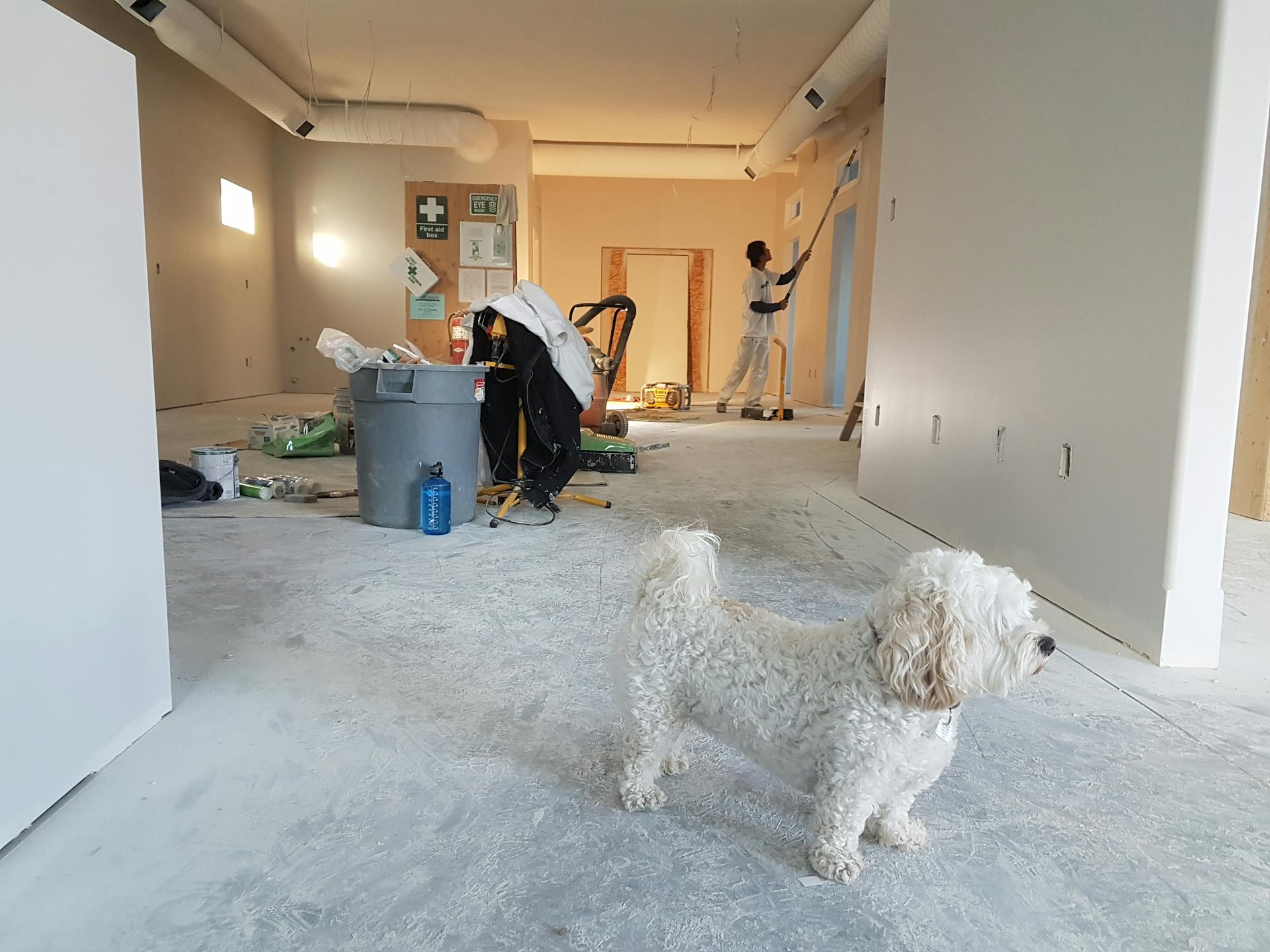
You plan your renovation with big ideas in mind. New floors, fresh paint, maybe a full kitchen upgrade. You focus on budgets, timelines, and contractors. That makes sense—those are the visible parts of the project.
But the real stress rarely comes from the big decisions. It comes from the small things you didn’t think about. The minor details that slow everything down or make your space harder to live in during the process.
When you pay attention to those overlooked details, everything feels smoother.
Let’s walk through the things you’re most likely to forget, and how taking care of them early can make your renovation much easier to handle.
Set Up a Clear Plan Before Work Begins
You need a clear plan before any work starts. Do not rely on rough ideas or verbal timelines. Sit down and map out what will happen each week. Ask your contractor about the order of tasks and how long each phase may take.
Think about how the renovation will affect your daily routine. If your kitchen will be out of use, decide in advance where you will prepare meals. If a bathroom is under renovation, plan which one you will use instead. These small decisions save time and reduce stress once the work begins.
Clear Out Furniture and Belongings Properly
Before any work starts, remove furniture and personal items from the area. Covering them may seem like a quick solution, but it often creates more problems. Dust still finds its way through covers.
Renting storage units is a better option. They keep your belongings safe and out of the way. You free up space for workers to move easily, which helps them complete tasks faster.
When your space stays clear, the entire process runs more smoothly. You protect your belongings and give yourself one less thing to worry about during the renovation.
Create a Temporary Living Setup
Renovations can disrupt your daily life, so you need a temporary setup that works for you. If your kitchen is under construction, set up a small area for simple meal prep. A microwave, kettle, or portable stove can make a big difference.
Think about comfort as well. Choose a space where you can relax without dealing with noise or dust all the time.
You do not need a perfect setup. You need something practical that helps you maintain your routine. When you plan this early, you avoid frustration and keep your days running smoothly.
Label Everything You Remove
As you remove fixtures, hardware, and fittings, label each item clearly. It may feel unnecessary at the moment, but it saves time later. When it comes to reinstalling items, you will know exactly where everything belongs.
Keep screws, bolts, and small parts in separate bags and label them as well. This prevents confusion and avoids the need to replace missing pieces. It also helps your contractor work more efficiently.
A little effort during the removal stage can prevent delays during installation. You stay organised and avoid unnecessary guesswork later in the process.
Protect Pathways and Entry Points
Workers will move through your home with tools and materials. Without proper protection, floors and entry points can get damaged quickly.
You should set clear pathways and cover them with protective sheets or mats.
This step keeps dirt and debris from spreading to other parts of your home. It also reduces the risk of scratches or marks on your flooring.
Clear pathways also help workers move efficiently. When they do not have to navigate obstacles, they can focus on the job. This small step improves both speed and safety.
Plan for Dust Control Early
Dust spreads faster than you expect during a renovation. It does not stay in one room, even if the work seems contained. If you do not plan for it early, you will find it on surfaces far from the actual project area.
Step one here is to seal off the renovation space as much as you can. Use plastic sheets or temporary barriers to block openings.
Keep doors closed and limit how often people move between work zones and clean areas. These steps help reduce how far dust travels.
You should also think about ventilation. If possible, open windows in the work area to direct dust outside instead of letting it settle inside your home.
Keep Essential Items Within Reach
During a renovation, it becomes harder to access your everyday items. Things you use daily can end up packed away or misplaced. That is why you need to set aside a small group of essentials before work begins.
Keep items like chargers, important documents, toiletries, and basic tools in one place. Choose a spot that stays untouched by the renovation work. This saves you from opening multiple boxes just to find something simple.
Communicate Expectations Clearly
Good communication can prevent many problems during a renovation. Do not assume that everyone understands your expectations. Take time to discuss details with your contractor before work starts.
Talk about working hours, access to your home, and how cleanup will be handled each day. Make sure both sides agree on these points. This avoids confusion and keeps the project running smoothly.
You should also stay available for questions. Quick decisions can help avoid delays.
Arrange Waste and Cleanup Solutions
Renovation work creates waste quickly. Materials, packaging, and debris can pile up faster than expected. If you do not plan for disposal, the mess can take over your space.
Arrange a proper system for handling waste from the start. This could include hiring a skip bin or scheduling regular pickups. When waste gets removed on time, the work area stays safer and more organised.
A clean space also helps workers stay efficient. They can move around easily and focus on their tasks. You reduce hazards and keep your home in better condition throughout the project.
Prepare for Small Delays
No renovation runs exactly as planned. Even with a solid schedule, small delays can happen. Materials may arrive late, or certain tasks may take longer than expected.
You should prepare for this instead of expecting everything to go perfectly. Build some flexibility into your timeline and avoid planning important events too close to project deadlines. This gives you room to adjust without added pressure.
When you stay flexible, delays feel manageable instead of stressful. You keep control of the situation and avoid making rushed decisions that could affect the final result.
A renovation does not just test your home; it tests how well you handle the process around it. When you stay prepared, communicate clearly, and make space for the unexpected, everything feels more manageable. You do not need perfect conditions to get through it. You need the right mindset and a few practical steps in place. These small choices shape how smoothly your project moves and how comfortable you feel while it happens.