Many women experience pressure when it comes to body image. Social expectations, media influence, and personal comparisons can all shape how someone views their appearance. This can lead to self-doubt or a focus on perceived flaws rather than overall well-being. When confidence is tied only to appearance, it becomes harder to feel comfortable in your own body.
The Connection Between Body Image and Confidence
Regular exercise offers a different perspective. It shifts the focus away from appearance and toward strength, energy, and overall health.
Exercise and Positive Body Image
One of the biggest benefits of exercise is how it changes the way women relate to their bodies.
Instead of focusing on how the body looks, physical activity highlights what the body can do. Lifting heavier weights, running longer distances, or simply feeling stronger day to day can create a sense of appreciation.
This shift in mindset is powerful. Progress becomes about capability rather than comparison, which can improve body image over time. Working with structured programs like personal training can also help create clear, achievable goals. This allows individuals to track progress in meaningful ways rather than relying on appearance alone.
Boosting Self-Esteem Through Movement
Exercise doesn’t just impact the body. It has a direct effect on mental well-being.
Physical activity triggers the release of endorphins, which are chemicals in the brain that help improve mood. Even a short workout can leave someone feeling more energized and positive.
Setting and achieving fitness goals also builds confidence. Whether it’s completing a workout routine or improving endurance, these small wins create a sense of accomplishment. Regular exercise has also been linked to reduced symptoms associated with depression and anxiety disorders. Movement provides both a mental break and a healthy way to manage stress.
Over time, these benefits contribute to stronger self-esteem and a more balanced mindset.
Building Consistency and Confidence Over Time
Confidence doesn’t happen overnight. It builds gradually through consistent effort.
Creating a regular exercise routine helps establish structure and discipline. Showing up for workouts, even on days when motivation is low, reinforces a sense of commitment.
This consistency translates into other areas of life.
When women see themselves following through on goals, it strengthens self-trust. Personal training can play a role here by providing accountability and guidance. Having a structured plan and professional support often makes it easier to stay consistent and maintain progress.
The Power of Supportive Fitness Communities
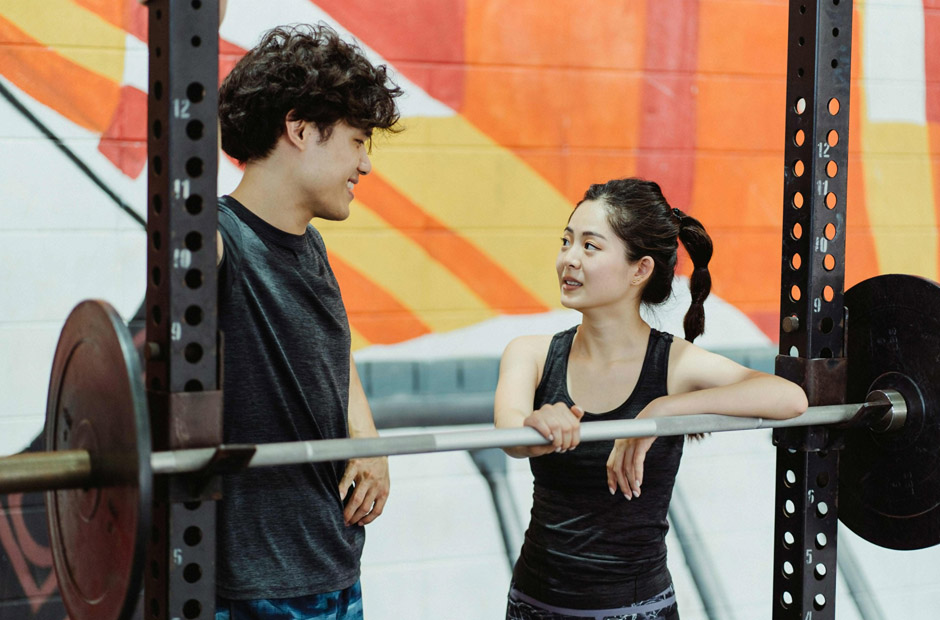
Exercise doesn’t have to be a solo experience. Group classes, fitness communities, and shared workout environments can create a strong sense of connection. Being surrounded by others working toward similar goals can boost motivation and make exercise more enjoyable.
Supportive environments also reduce feelings of judgment. Instead of comparison, there is encouragement and shared progress.
Social interaction is an important part of emotional well-being. Building relationships within a fitness setting can improve both mental health and overall satisfaction with the experience.
Finding What Works for You
Not every type of exercise works for everyone, and that’s okay. Some people enjoy strength training, while others prefer yoga, walking, or group classes.
The key is finding something that feels sustainable and enjoyable. When exercise feels like a positive part of your routine rather than a chore, it becomes easier to stay consistent. This consistency is what drives long-term benefits. Exploring different options, including personal training programs or group settings, can help identify what fits best.
Balancing Physical and Mental Well-Being
Exercise supports more than just physical health. It contributes to a more balanced lifestyle overall. Regular movement can improve sleep, increase energy levels, and enhance focus throughout the day. These benefits often create a ripple effect, improving how women feel both physically and mentally. When combined with healthy habits such as proper nutrition and rest, exercise becomes part of a larger approach to well-being.
The goal isn’t perfection.
It’s creating a routine that supports both body and mind in a sustainable way.
How Exercise Improves Daily Energy and Productivity
Regular exercise can have a noticeable impact on daily energy levels. Instead of feeling drained throughout the day, many women find that consistent movement helps them feel more alert and focused. Physical activity improves circulation, which helps deliver oxygen and nutrients throughout the body. This can lead to better concentration and a more balanced daily routine.
Even short workouts can create a sense of momentum that carries into other responsibilities, making everyday tasks feel more manageable.
Creating a Healthier Relationship with Personal Goals
Exercise can also help shift how women approach goals in general. Rather than focusing only on outcomes, regular physical activity encourages a process-driven mindset. Progress becomes about consistency, effort, and small improvements over time.
This approach can reduce pressure and help create a more positive relationship with personal growth. Instead of chasing perfection, the focus shifts to steady progress and self-improvement. Over time, this mindset can extend beyond fitness and influence other areas of life.
Strength, Confidence, and Long-Term Well-Being
Regular exercise offers far more than physical results. It helps women build confidence, improve body image, and support overall mental well-being.
By focusing on strength, progress, and consistency, exercise creates a more positive relationship with the body. Supportive environments and structured routines make it easier to stay motivated and committed. Over time, these habits lead to lasting improvements in both confidence and quality of life. Finding enjoyable ways to stay active is one of the most effective steps toward feeling stronger, more confident, and more balanced every day.
*Sponsored Blog Post