A malfunctioning water heater can disrupt daily routines, leaving you without a hot shower or warm water for household chores. While it might be tempting to immediately replace the unit, there are several effective water heater repair options that can restore functionality and extend the lifespan of your system. Understanding these solutions helps homeowners make informed decisions and potentially save on unnecessary costs.
Before deciding on replacement, it’s worth evaluating the condition of your water heater and the severity of the issue. Minor problems often require straightforward fixes, while more complex failures might necessitate professional intervention. In this guide, we explore the common issues, repair techniques, and when replacement may truly be the better choice.
Common Water Heater Problems
Water heaters are durable, but over time, wear and tear can lead to a range of issues. Some of the most frequent problems include:
- No hot water – Often caused by a malfunctioning thermostat, heating element, or pilot light.
- Inconsistent water temperature – May result from sediment build-up or thermostat failure.
- Strange noises – Rumbling, popping, or banging sounds usually indicate mineral deposits in the tank.
- Leaks – Corrosion, loose connections, or faulty valves can lead to water escaping.
- Slow recovery – The unit takes longer to heat water due to sediment accumulation or an ageing heating element.
Identifying the specific problem early can prevent more serious damage and help you choose the most suitable repair method.
Key Water Heater Repair Options
Depending on the issue, there are several practical water heater repair options that professionals can implement:
1. Replacing Heating Elements or Thermostats
Electric water heaters often encounter problems with heating elements or thermostats. Replacing these components is relatively straightforward and can restore proper temperature control without replacing the entire unit.
2. Flushing the Tank
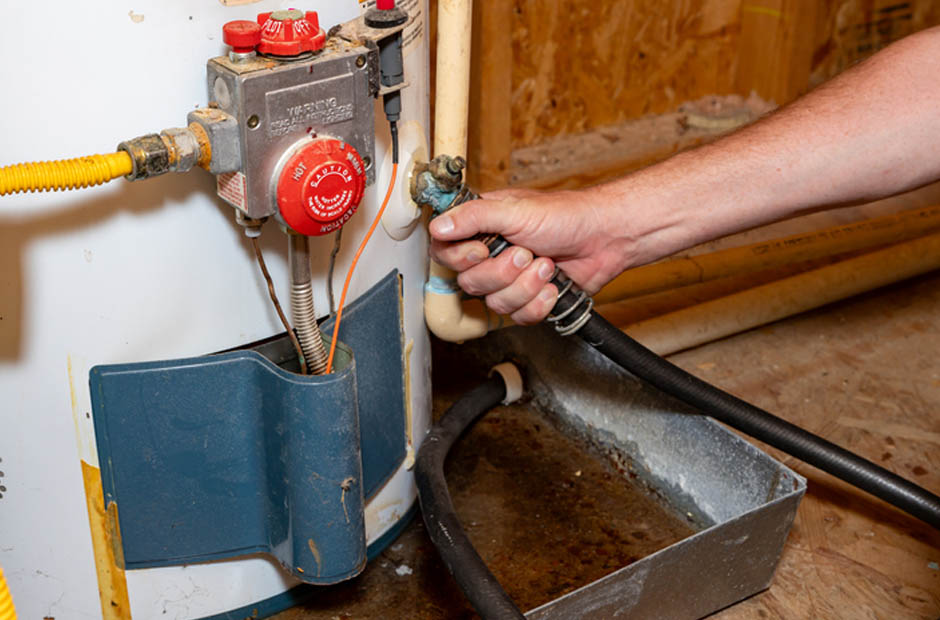
Sediment build-up is a common cause of inefficiency and noise. Flushing the tank removes debris, improves heating performance, and reduces wear on the elements. This simple maintenance step can extend the life of your heater by several years.
3. Fixing Leaks
Leaks are often repairable if caught early. A plumber can replace corroded anode rods, tighten fittings, or repair valves. Ignoring leaks can lead to water damage and more costly replacements, so prompt attention is essential.
4. Addressing Pilot Light or Gas Issues
For gas water heaters, problems with the pilot light or gas supply can cause inconsistent heating. Cleaning or replacing the thermocouple, igniter, or gas valve can resolve these issues efficiently.
5. Insulation Improvements
Adding insulation to the tank or pipes may not be a repair in the traditional sense, but it improves energy efficiency and reduces heating strain, which can prevent future repairs.
DIY vs Professional Repairs
While some maintenance tasks like flushing the tank or tightening loose connections can be done by a confident homeowner, many repairs require professional expertise. Handling electrical components or gas lines without proper training can be dangerous. Hiring a licensed plumber ensures the repair is done safely and complies with local building codes.
Tips for Maintaining Your Water Heater
Regular maintenance reduces the likelihood of major repairs. Consider the following tips:
- Flush the tank annually – Prevents sediment accumulation.
- Check the anode rod – Replace every 3–5 years to minimise corrosion.
- Inspect for leaks – Catch small problems before they escalate.
- Adjust thermostat settings – Keep water at 120°F to prevent overheating and reduce energy use.
- Schedule professional inspections – At least once every two years for safety and efficiency checks.
When Replacement Is the Better Choice
Despite the availability of various repair solutions, there are instances where replacing the water heater is more practical:
- Extensive corrosion or leaks throughout the tank.
- Age of the water heater – most units last 8–12 years.
- Frequent breakdowns or multiple repairs within a short period.
- Poor energy efficiency compared to newer models.
In these cases, investing in a modern, energy-efficient unit can offer long-term savings and improved performance.
Conclusion
Exploring professional water heater repair options can save both money and stress. Minor issues often have straightforward fixes, from flushing sediment to replacing components, while regular maintenance ensures your system remains reliable. By understanding the signs of trouble and engaging a qualified plumber when needed, you can enjoy consistent hot water and extend the life of your heater without rushing into replacement.