The process of making the patient experience more streamlined starts long before they even enter a clinical setting. A sophisticated digital interaction that enables people to choose time slots that fit their personal calendars has replaced the traditional method of scheduling a dentistry appointment. Modern practice management software now includes automated reminders and digital intake forms. This makes sure that all of the patient’s medical history is in sync with the provider’s database before the physical consultation begins. This initial coordination cuts down on wait times in the waiting room and lets the clinical team focus on the diagnostic parts of the visit as soon as the patient arrives.
Once the clinical session starts, high-resolution intraoral cameras and 3D imaging give a clear picture of the mouth. With these tools, the practitioner can show the patient in real time on a chairside monitor what is happening to their enamel and gum tissue. When the patient sees the data together, they are no longer just a passive recipient of a diagnosis; they are now an active participant in the decision-making process. This way of working together builds more trust and makes sure that everyone understands the proposed treatment plan before any physical work begins.
Full evaluation and bone density
A full examination is more than just looking for cavities on the surface; it also involves looking closely at the bone structure underneath and the strength of previous restorations. Digital radiography has made it possible to see the roots and jawbone much more clearly while exposing the patient to much less radiation. These scans are very important because they can find problems that aren’t visible to the naked eye, like interproximal decay or the early stages of bone resorption. These new methods of early detection often lead to less aggressive and less expensive treatments than if the condition were allowed to get worse.
Health of the gums and overall health
The health of the soft tissues is a very important sign of how inflamed the body is as a whole. The clinical team checks the depth of the gingival pockets during a professional assessment to look for signs of infection or attachment loss. Researchers have found a link between chronic inflammation in the mouth and other health problems, such as heart problems and trouble controlling blood sugar. People can effectively manage their systemic health by keeping a strict schedule of professional cleanings. This is because it lowers the amount of bacteria that enters the bloodstream through the mouth.
Planning for Restoration and Biocompatibility
When patients need structural repairs, the focus shifts to choosing materials that will work best with the body over the long term. Modern dentists use high-strength ceramics and zirconia that wear down in the same way as natural enamel. This keeps the other teeth from getting hurt. These materials also look great, so crowns and bridges can look almost exactly like the original tooth structure. Computer-aided design makes sure that these restorations fit with micron-level accuracy. This keeps bacteria from getting into the margins in the future and makes sure that the tooth underneath lasts a long time.
Screening for growth and orthodontics in children
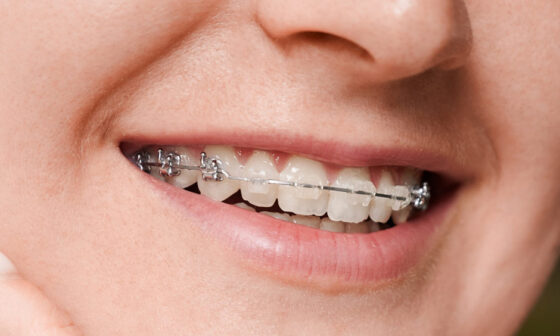
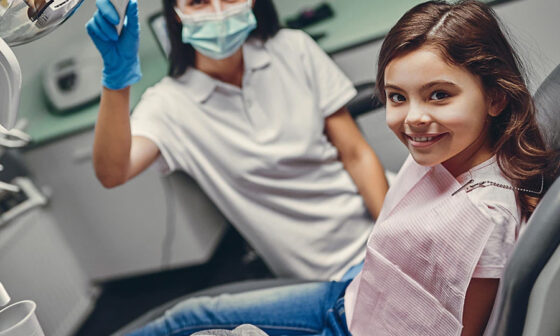
For younger patients, regular visits are mostly about keeping an eye on how their jaw is growing and how their permanent teeth are coming in. Early screening for airway problems or malocclusions can often lead to interceptive treatments that make braces less necessary or even unnecessary later in life. Providers help kids take responsibility for their own hygiene by making the environment positive and educational. This kind of proactive advice during the formative years is the best way to make sure that your smile stays naturally aligned and that you have as few dental problems as possible for the rest of your life.
Long-Term Support and Preventive Maintenance
The last step in a successful oral health plan is to follow a strict at-home maintenance routine with help from professionals. Using special tools like ultrasonic toothbrushes and water flossers can make the oral microbiome much more stable between visits. Regular professional checkups make it possible to change hygiene habits early on as the mouth ages or as life changes. The best way to keep the smile’s function and beauty for decades to come is for the patient and the dental team to work together on a regular basis.