The uterus is the most important organ of the female reproductive system. This organ plays a major role in menstruation, pregnancy, childbirth, and overall reproductive health. Many women are familiar with the uterus, but they do not understand how it works and how to maintain its health.
Learning about this organ can help women understand its function and menstrual cycle, and make informed decisions about its health. This article will explore the structure, main parts, and importance of the uterus.
A Quick Overview of the Uterus
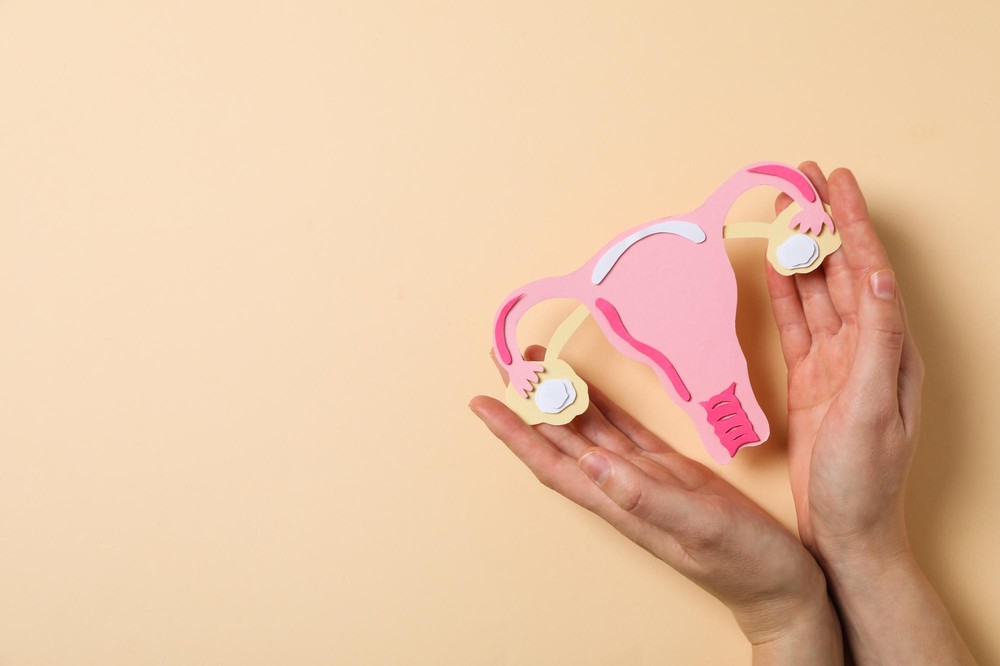
The uterus is an organ that is located in the female pelvis between the bladder and rectum. It has a pear-shaped appearance in the bodies of non-pregnant women. Its size can vary with age, pregnancy history, and hormonal changes.
The uterus supports fetal development during pregnancy and plays an important role in the menstrual cycle. The uterus is connected to the fallopian tubes at its upper sides, while its lower portion opens into the vagina through the cervix.
The uterus can experience various medical conditions, and uterine fibroids are among the most common. We will discuss them in this post.
Common Types of Uterine Fibroids
Uterine fibroids are growths that develop on or near the uterus. Fibroids occur most often during the reproductive years. Some women experience few if any symptoms with fibroids, while others have large, painful growths that can affect daily life. Knowing about the different types of fibroids can help you understand the symptoms you might experience and the fibroid treatments available.
-
Calcified Fibroids
A calcified fibroid results from the calcification of a previously existing fibroid. Degeneration of a fibroid can be attributed to decreased blood supply and usually occurs in fibroids that have existed for some time, particularly in elderly women.
Symptoms of fibroids in this condition may range from no symptoms at all to varying degrees of discomfort or pelvic pressure, depending on the size and location of the fibroid.
-
Intramural Fibroids
These fibroids develop within the uterine wall, and the accompanying growth can increase over time. Small intramural fibroids can go unnoticed for a long time. Once they start to grow, they can cause problems, including long, heavy periods and lower abdominal pain.
Other problems include the need to urinate more often and pain in the lower abdomen. Depending on their size, symptoms, and overall patient condition, fibroids can be treated in various ways.
-
Submucosal Fibroids
Submucosal fibroids develop beneath the uterine lining and can even extend into the uterine cavity. This type of fibroid can lead to severe menstrual symptoms and infertility issues, although they aren’t as common as other types.
Women may experience very long and very heavy periods, as well as problems with fertility. Health care providers will typically need to know the size and location of the fibroid through imaging studies before deciding on the best course of action.
-
Subserosal Fibroids
These fibroids occur on the outer part of the uterus and can grow to a significant size. Because of the growth and location of these fibroids, women may feel some symptoms. This can lead to back pain, the need to urinate frequently, or other types of discomfort in the lower abdomen.
Treatment Options for Fibroids of the Uterus
Treatment for a given case of uterine fibroids will vary depending on the type, size, location, and symptoms of the fibroids. Regular monitoring of the fibroids may be the only action needed in some cases. Other cases require some sort of active treatment.
Common treatment options include:
- Medication: Certain medicines can help manage heavy menstrual bleeding and other symptoms.
- Hormonal treatments: Some hormonal options can help control bleeding and reduce fibroid-related symptoms.
- Uterine artery embolization: This procedure reduces the blood supply to fibroids, causing them to shrink over time.
- Myomectomy: A surgical procedure that removes fibroids while preserving the uterus.
- Hysterectomy: Surgery to remove the uterus, which may be considered in certain cases when other treatments are unsuitable.
Understanding the Main Parts of the Uterus
The uterus has several important parts, including:
Fundus: The fundus is the rounded upper portion of the uterus, located above the openings of the fallopian tubes.
Body: The body is the largest section of the uterus.
Cervix: The cervix is the narrow lower part of the uterus that connects it to the vagina.
Uterine Wall: The uterine wall consists of three main layers.
Common Conditions That Affect the Uterus
Several medical conditions can affect the uterus and cause health issues such as pelvic pain, irregular periods, heavy bleeding, or difficulty becoming pregnant. Some common conditions include:
- Endometriosis
- Adenomyosis
- Endometrial Cancer
- Uterine Prolapse
- Uterine Fibroids
What Are the Main Functions of the Uterus?
The uterus performs several important functions throughout a woman’s reproductive life. During the menstrual cycle, its inner lining becomes thicker to prepare for a possible pregnancy. If fertilisation does not occur, this lining breaks down and leaves the body through menstruation. This process is repeated as part of the normal menstrual cycle.
During pregnancy, the uterus provides a protected environment where a baby can grow and develop. Its muscles gradually expand as the pregnancy progresses and contract during childbirth to help deliver the baby. These functions make the uterus an essential part of reproductive health.
Understanding the Three Layers of the Uterine Wall
The uterine wall consists of three main layers, each with a different function. The innermost layer is called the endometrium. It changes throughout the menstrual cycle and provides the environment for an embryo to implant during pregnancy. Changes in this lining are also responsible for menstrual bleeding.
The middle layer, known as the myometrium, is made up of smooth muscle tissue. It expands during pregnancy and contracts during childbirth. The outer layer, called the perimetrium, forms a protective covering around the uterus. Understanding these layers also helps explain how certain conditions, including fibroids, can affect different areas of the organ.
What Causes Uterine Fibroids to Develop?
The exact cause of uterine fibroids is not fully understood, but several factors may contribute to their development. Hormones such as estrogen and progesterone are believed to influence fibroid growth. This is one reason fibroids are more common during the reproductive years and may shrink after menopause when hormone levels decrease.
Genetics may also play a role, as women with a family history of fibroids can have a higher likelihood of developing them. Other factors, including age and certain lifestyle-related influences, may contribute to the risk. However, having one or more risk factors does not necessarily mean a woman will develop fibroids.
Signs and Symptoms That Should Not Be Ignored
Uterine fibroids do not always cause noticeable symptoms. Some women discover them during routine pelvic examinations or imaging tests performed for unrelated reasons. However, larger fibroids or those located in certain areas of the uterus can cause symptoms that interfere with everyday activities.
Common warning signs include unusually heavy menstrual bleeding, periods that last longer than normal, pelvic pressure, and persistent lower abdominal discomfort. Some women may also experience frequent urination, constipation, or pain during sexual intercourse. Anyone experiencing unusual or persistent symptoms should consult a healthcare professional for an appropriate assessment.
How Are Uterine Fibroids Diagnosed?
Doctors use different methods to identify uterine fibroids and understand their size and location. A pelvic examination may help identify changes in the shape or size of the uterus. However, further investigations are often needed to confirm the presence of fibroids and determine whether treatment is necessary.
Ultrasound is one of the most commonly used imaging methods for detecting fibroids. In some cases, doctors may recommend an MRI or hysteroscopy to obtain more detailed information. The results help healthcare providers understand the condition and discuss suitable treatment options based on the patient’s symptoms and reproductive plans.
Lifestyle Habits That Support Uterine Health
Maintaining good reproductive health involves paying attention to everyday habits. A balanced diet, regular physical activity, sufficient sleep, and stress management can support overall well-being. Eating a variety of fruits, vegetables, whole grains, and nutrient-rich foods can also help maintain general health, particularly for women who experience heavy menstrual bleeding.
Regular gynaecological check-ups are equally important. They allow healthcare professionals to discuss menstrual changes, investigate unusual symptoms, and identify potential concerns. Although healthy lifestyle habits cannot guarantee the prevention or removal of uterine fibroids, taking care of your overall health and seeking medical advice when needed can help you make informed decisions about your reproductive well-being.
Can Uterine Fibroids Affect Pregnancy?
Many women with uterine fibroids have healthy pregnancies, but the effects can vary depending on the size, number, and location of the growths. Some fibroids do not interfere with conception or fetal development. Others, particularly those that affect the uterine cavity, may make it more difficult for an embryo to implant.
During pregnancy, certain fibroids may grow or cause discomfort, pelvic pressure, or pain. In some cases, they may increase the risk of pregnancy complications. Women who have been diagnosed with fibroids and are planning to become pregnant should discuss their condition with a gynaecologist to understand any potential risks and whether treatment or monitoring is appropriate.
Conclusion
The uterus plays an important role in menstruation and childbirth. Understanding its structure, functions, and common medical conditions helps women become more aware of their bodies and the warning signs.
Maintaining a balanced life, attending health screenings, and seeking medical advice support long-term reproductive well-being. Uterine fibroids are also one of the main conditions that can be controlled through medication, a good diet, and sometimes surgery.