Rethink Your Fitness Footprint
Fitness can be a force for good, for you and for the planet. Every step, stretch, and rep carries a ripple effect. With a few mindful choices, your routine can conserve energy, cut waste, and support more sustainable industries. Think of it like training two athletes at once: your body and Earth. Align your habits with a lighter footprint and you will feel the difference in stamina, clarity, and purpose.
Choose Thoughtful Workout Apparel
Your gear is your second skin. Opt for clothing made with natural fibers like organic cotton or bamboo, and recycled synthetics that give materials a second life. These fabrics typically require fewer inputs, and they often wear well through repeated use and washing. Skip fast spins of trend-driven apparel. Invest in pieces that fit well, resist pilling, and hold their shape. Care matters too. Wash on cold, line dry, and mend minor tears. A durable wardrobe is a sustainable wardrobe.
Step Into Eco-Conscious Footwear
Shoes take a beating, so durability counts. Look for pairs with uppers and midsoles that incorporate recycled or bio-based materials, and outsoles designed to last. Avoid disposable designs that flatten fast. When your shoes reach the end of their run, seek recycling or take-back programs, or repurpose them for gardening or casual wear. Treat your footwear well and it will return the favor in fewer replacements and less waste.
Take Your Training Outdoors
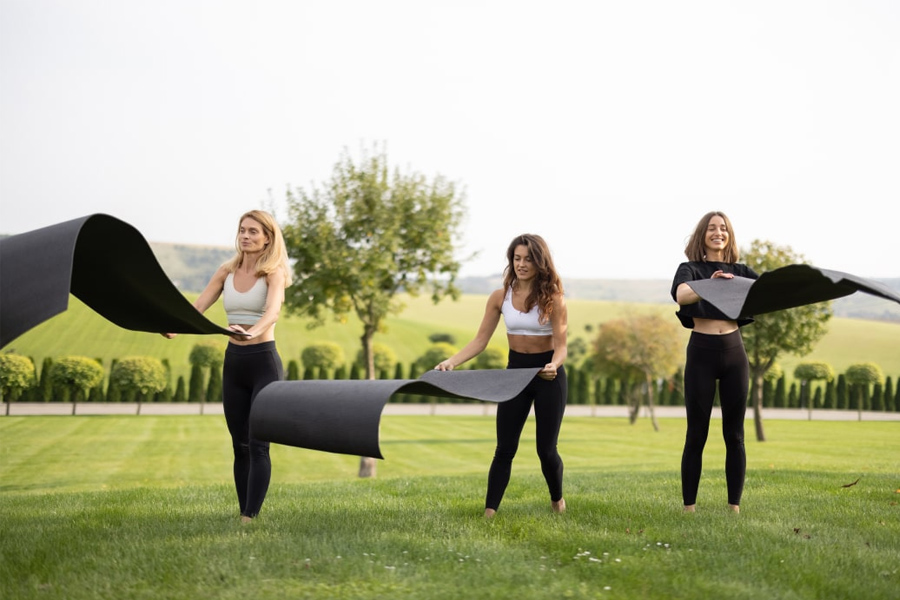
Nature is the original gym. Run local trails, ride quiet roads, walk neighborhood loops, or unfurl a yoga mat in the park. Outdoors you trade artificial light for sunshine and climate control for fresh air. It is a zero-energy training space, free of machines and minutes ticking on power meters. The earth beneath your feet offers variety and challenge, from hills that humble to grass that cushions. Pack light: a jump rope, a resistance band, or a small kettlebell turns any green space into a full session.
Curb Energy Use Indoors
Reduce overhead energy during indoor training. Shut off equipment screens. Disconnect power-hungry devices. Only use fans when necessary and use ventilation wherever practical. Choose facilities with LED illumination, occupancy sensors, and equipment lifespan rather than frequent replacement. Request recycling and renewable energy programs. Small signals matter, and gyms act when members care.
Equip Your Home With a Light Touch
Home workouts shine when your equipment is simple and sturdy. Select items made from natural or recycled materials where possible. A cork or natural rubber yoga mat, a set of cast iron dumbbells, a steel kettlebell, and fabric resistance bands can cover strength, mobility, and conditioning. Skip flimsy plastic gear that cracks and creaks after a few months. Choose pieces that age gracefully. Storage matters too. Keep your setup minimal and tidy to encourage repeat use and reduce clutter.
Trade Car Miles for Movement
Active transportation turns errands into training. Walk short trips to the store. Bike to work. Carry a backpack and treat it as functional load. Even partial swaps count. Park farther away. Get off transit one stop early. Over weeks, those minutes accumulate into meaningful cardio benefits and fewer emissions. The street becomes your track, the sidewalk your warm-up lane, and the bike lane your tempo run.
Train Mindfully With Minimalist Methods
Efficiency is an ally. Short, focused sessions can deliver strength, endurance, and mobility without extra energy or equipment. Build routines around compound movements: squats, hinges, pushes, pulls, carries, planks, and lunges. Cycle intensities across the week. Use intervals to sharpen conditioning. Let bodyweight be the backbone and simple tools the accents. Minimalist programming reduces decision fatigue, keeps spaces clear, and makes consistency easier. Variety lives in tempo, range, and sequencing, not in a pile of machines.
Eat For Performance That Respects the Planet
Fuel your training with foods that support both recovery and a lower environmental footprint. Lean into plants: vegetables, fruits, legumes, nuts, seeds, and whole grains provide fiber, antioxidants, and steady energy. Source locally and seasonally when you can. Consider reducing meat on a few days each week, and choose options with better stewardship when you do buy animal products. Cook at home more often. Plan meals so leftovers become next-day fuel. The kitchen can be a training room too, where you practice sustainable habits that nourish and restore.
Join Movements That Combine Fitness With Action
Community gives momentum. Sign up for activities that link exercise with environmental care. Plogging, a blend of jogging and litter pickup, turns a run into a cleanup. Group rides that promote leaving cars at home can transform commutes. Neighborhood walking clubs can map safer pedestrian routes and advocate for greener spaces. These efforts make workouts purposeful. They also remind you that fitness is not confined to sets and reps. It is a way of life woven into your city, your park, and your daily path.
Build Habits That Stick
Sustainability is a practice. Set small, specific goals. Rotate outdoor sessions into your week. Schedule active commutes when the calendar allows. Audit your gear once a season to repair, donate, or recycle. Keep a simple log of actions that save energy. Celebrate the days you make the lighter choice. Progress is a mosaic of tiny pieces: a switch flipped off, a bike ride instead of a drive, a meal made from scratch, a workout done under the sky.
FAQ
What is eco-friendly fitness?
Eco-friendly fitness lowers waste, saves energy, and promotes sustainable choices while boosting health and performance. Durable gear, outdoor sessions, efficient indoor routines, minimum equipment, active transportation, and eco-friendly eating are emphasized.
Do I need to buy new gear to make my workouts sustainable?
Not necessarily. The most sustainable item is the one you already own and use. Care for your current gear, repair when possible, and replace only when performance or safety demands it. When you do buy, choose durable materials and designs that last.
Are outdoor workouts as effective as gym sessions?
Yes. Outdoor training can match or exceed gym effectiveness. Running, cycling, calisthenics, hill sprints, carries, and band or kettlebell work cover strength and conditioning. Terrain variability often adds natural challenge. You can still plan progression, intensity, and recovery just as you would indoors.
How can I reduce energy use at the gym without sacrificing performance?
Focus on efficiency. Use equipment that does not require constant power, such as free weights. Limit unnecessary screen time. Turn off fans and lights when not needed. Choose off-peak hours for better ventilation and fewer machines running. Advocate for maintenance and energy-efficient upgrades.
What are good minimalist exercises for a small space?
Squats, split squats, hip hinges, push-ups, rows with a band, overhead presses with dumbbells, planks, hollow holds, glute bridges, and carries. Combine these into circuits or intervals for a complete strength and conditioning session with minimal equipment.
Can a plant-forward diet support high-intensity training?
Absolutely. Plant-forward diets provide ample carbohydrates for energy, protein for repair, and micronutrients for recovery. Include legumes, tofu, tempeh, whole grains, nuts, seeds, and a variety of vegetables and fruits. Balance meals around training times to meet your needs.