At first, studying abroad and travelling feel like the same thing. You’re in a new place. You’re surrounded by a different culture. You’re trying new food. You’re figuring things out as you go.
But once you actually experience it, the differences become pretty obvious. Travelling feels like a bread from real life, while studying abroad feel more like building a new version of it – just somewhere else. For almost seven million students who study away from their home country, the difference are clear.
They’re both valuable in their own way – they just offer completely different kinds of experiences. Learn more by reading below.
Deeper Cultural Immersion vs. Surface-Level Exploration
When you’re travelling, you get a snapshot of a place. You see the highlights. You take the photos. Maybe you even pick up a few local habits for a short while. But there’s usually a bit of distance here – you’re experiencing it as a visitor.
Studying abroad closes that gap. You’re not just observing the culture, you’re part of it – even if it’s just temporary. You begin to notice the small, everyday details – from how people communicate, what daily life actually looks like, and what matters to them culturally. There observations become something to remember.
It’s not always glamorous, either. Some days are just normal – going to class, doing errands, meeting friends – but that’s exactly what makes it feel real. Over time, those ordinary moments are what help you understand a place on a much deeper level.
Structured Learning vs. Flexible Itineraries
Travelling is all about freedom. You might plan everything in advance or nothing at all. If you want to change direction halfway through your trip, you can. There’s no real pressure – just experience.
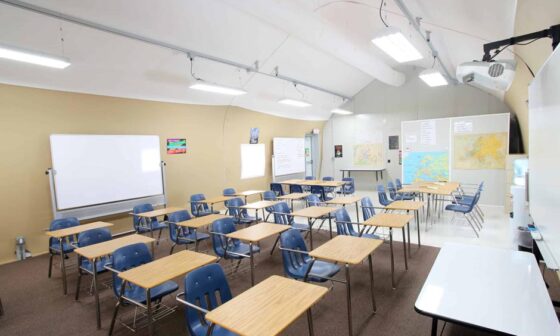
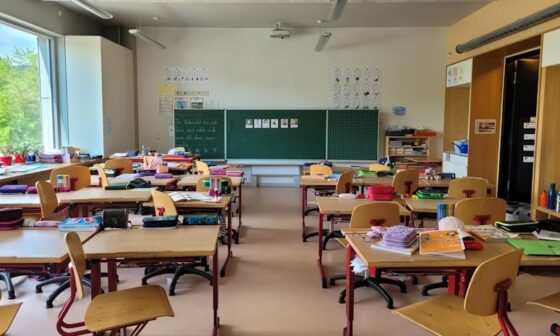
Studying abroad, though, is different. You have commitments. You’ve got classes, deadlines, and other responsibilities to keep up with. That might sound restrictive, but it actually adds more depth to the experience.
What you’re learning doesn’t stay in the classroom. It connects to where you are. History, for example, feels more relevant when you’re surrounded by it, and learning a language becomes something you actively use rather than just study. You’re not just passing through – you’re actually engaging with the place in a more meaningful way.
Building a Temporary Life vs. Passing Through
One of the biggest differences between the two is how settled you feel. Travelling often means constantly moving. New cities. New hotels. New plans every few days. Everything is new and different. It’s exciting, sure, but it also feels a bit temporary. Just as you get used to your life in a new country, you’re moving on.
When you study abroad, you start to build a routine. You find places you like. You get familiar with your surroundings. You settle into a rhythm. Even simple things – like knowing where to get your morning coffee or how to get to campus without checking directions – make a difference.
You also tend to form stronger connections. You’re seeing the same people regularly, sharing experiences, and going through similar challenges. Such a sense of familiarity makes the experience feel more grounded, and often more meaningful. Not only that, but these relationships could see you through the remainder of your life.
Personal Growth Through Responsibility vs. Leisure-Based Experiences
As a traveler, there’s low-pressure. It’s about enjoying yourself more than anything. That might be through trying new things or taking a break from your usual responsibilities – whether that’s work, school, etc. Eventually – maybe after a week or two – you’ll go back to reality. It’s just a bit of fun for now.
On the other hand, studying abroad comes with real expectations. You’re responsible for your studies, your schedule, your finances, and your wellbeing – all in a place that’s unfamiliar to you. It could be a lot to handle at times, but that’s also where the growth happens.
You become more independent because you have to. There’s no other way to survive. You learn how to adapt, solve problems, and handle situations on your own. Even things like navigating healthcare abroad or making sure you’re properly covered – through something like Geo Blue Insurance – become part of learning how to manage life in a new environment.
By the end of it, you’re not just someone who’s been to another country. You’re someone who’s lived there, handled challenges, and come out more confident because of it. That type of experience goes a long way – not only in life, but also in terms of your career.
To conclude, there is some overlap between travelling and studying abroad. However, they are not the same experience. While travelling is about exploration and freedom – it’s quick, exciting, and often short-term, studying abroad is slower, deeper, and more demanding. The latter is also more rewarding in the long run.