Warehouse upgrades can turn steady operations into high-performing systems. Many facilities run smoothly on the surface, yet small inefficiencies often slow progress behind the scenes. Congested aisles, misplaced inventory, and manual tracking methods quietly chip away at productivity. Thoughtful improvements address these weak points and create measurable gains.
Stronger layouts, smarter storage, reliable data, and capable teams all contribute to a warehouse that performs with clarity and control. Practical upgrades make daily work easier while preparing the operation for future growth. Let us discuss the key improvements that move a warehouse from good to truly great.
Layout Strategy That Supports Growth
An effective layout shapes how every task unfolds inside a warehouse. Clear pathways allow equipment and workers to move without hesitation. Logical product placement shortens travel time and reduces confusion during picking and replenishment. Receiving, storage, and shipping areas should function as distinct zones, each with defined responsibilities and boundaries.
A well-planned layout also anticipates expansion. Adjustable racking systems, modular workstations, and scalable staging areas create flexibility. Managers can reconfigure sections without disrupting the entire floor. Traffic patterns deserve close attention. Narrow aisles may increase storage density, yet they can also slow movement if not carefully designed. Balanced spacing ensures efficiency without sacrificing safety.
Storage Solutions That Expand Capacity
Storage challenges often surface during peak seasons or promotional surges. Overflowing pallets and temporary stacking create clutter that disrupts order fulfillment. Proactive planning prevents these issues from escalating.
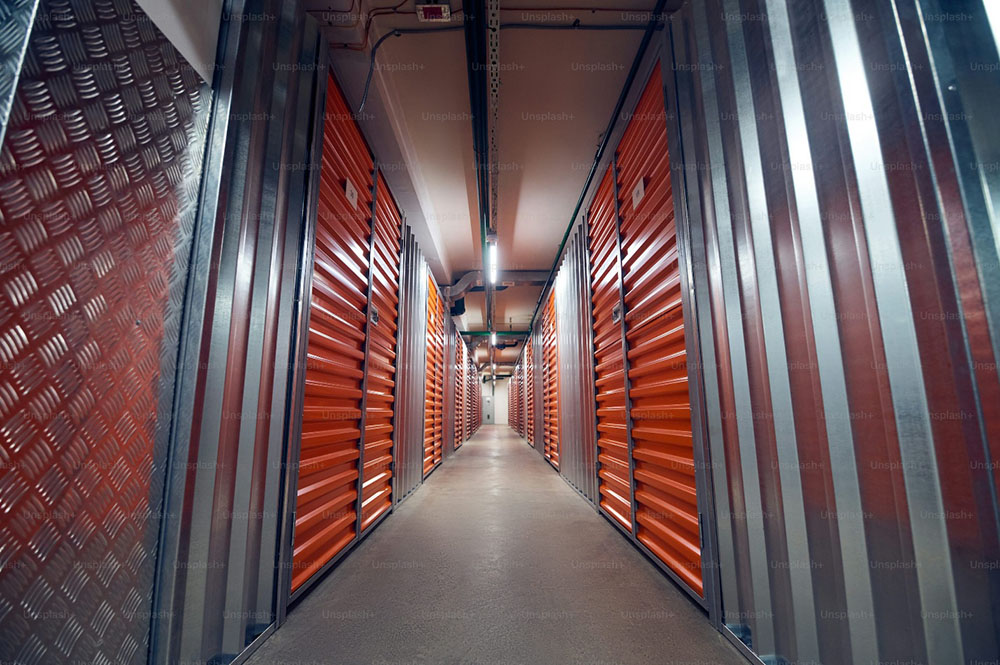
Business owners can acquire reliable and cost-effective mobile storage for rent to manage seasonal inventory increases without permanent structural expansion. On-site storage solutions provide flexible space exactly where it is needed, allowing teams to access inventory quickly without interrupting daily operations. Secure, weather-resistant units help protect materials and equipment while maintaining organized workflows inside the main facility. Strategic storage decisions protect workflow continuity.
Inventory Accuracy That Drives Confidence
Accurate inventory data influences nearly every business decision. Purchasing, forecasting, and customer service all rely on dependable numbers. Manual logs and inconsistent updates often lead to discrepancies that erode trust.
Barcode scanning systems provide real-time visibility into stock levels. Each movement, whether receiving, picking, or transferring, updates the system immediately. Cycle counting programs verify inventory regularly, catching errors before they grow into larger problems. Clear labeling standards reduce confusion and support consistent identification across departments.
Technology That Improves Daily Performance
Modern warehouses benefit from integrated technology that connects tasks and teams. Paper-based workflows slow communication and increase the risk of mistakes. Digital systems create transparency and coordination across the floor.
A warehouse management system streamlines order processing, directs picking routes, and monitors performance metrics. Automated picking tools enhance speed while maintaining consistency. Data dashboards provide insight into throughput, order accuracy, and labor productivity. Managers gain the ability to spot trends and address issues before they escalate.
Workforce Training That Elevates Standards
Equipment and systems only reach their potential when teams understand how to use them effectively. Skilled employees move with purpose and maintain high standards throughout their shifts. Training programs establish expectations and reinforce best practices.
Cross-training increases flexibility and reduces disruptions when staffing changes occur. Safety education lowers the risk of incidents that could halt operations. Supervisory development prepares leaders to guide teams with clarity and fairness. Strong training programs encourage accountability and pride in workmanship. Employees who feel confident in their roles contribute to smoother workflows and higher productivity.
Safety Practices That Protect Productivity
Safe operations create stability across the entire warehouse. Order fulfillment targets mean little if injuries, damaged goods, or equipment failures interrupt progress. Clear safety standards protect employees while preserving operational momentum.
Marked walkways and designated equipment lanes reduce the likelihood of collisions. Organized storage prevents blocked exits and unstable stacking. Routine inspections of forklifts, pallet jacks, and conveyor systems identify mechanical concerns before they lead to breakdowns. Fire prevention systems, proper ventilation, and visible emergency signage reinforce preparedness.
Process Review That Eliminates Waste
Operational routines often develop gradually. Over time, extra steps and unclear responsibilities become part of the workflow. Periodic process reviews bring structure and clarity back into focus. Process mapping allows managers to trace each step of receiving, picking, packing, and shipping. Bottlenecks become visible when tasks overlap or wait times increase. Clear standard operating procedures establish consistency across shifts and departments. Defined roles prevent duplication of effort and reduce confusion during busy periods.
Performance metrics support these reviews. Data on order cycle time, picking accuracy, and labor productivity reveal trends that might otherwise go unnoticed. Regular evaluation sessions encourage teams to suggest improvements based on firsthand experience. Refined processes minimize wasted motion and unnecessary delays. Teams work with greater coordination when expectations are clearly documented and consistently applied.
Energy Efficiency That Lowers Operating Costs
Energy expenses represent a significant portion of warehouse operating costs. Lighting, climate control, and material handling equipment draw steady power throughout the day. Smart energy management protects profit margins while supporting responsible resource use.
LED lighting upgrades reduce electricity consumption and provide brighter, more consistent illumination. Motion sensors ensure lights operate only when areas are in use. Insulated doors and dock seals stabilize indoor temperatures, reducing strain on heating and cooling systems. Scheduled equipment shutdowns during idle periods limit unnecessary power usage. Energy audits offer insight into areas where consumption can be optimized. Clear benchmarks help managers measure improvements and track savings over time. Employees who understand the importance of conservation contribute through mindful equipment use and timely reporting of inefficiencies.
Great warehouses evolve through deliberate improvements rather than dramatic overhauls. Strong layouts support movement and growth. Smart storage solutions expand capacity without sacrificing order. Accurate inventory systems build confidence across departments. Technology enhances visibility and coordination. Well-trained teams elevate daily standards. Safety protocols protect productivity. Process reviews eliminate waste. Energy efficiency safeguards operating margins.
Each improvement reinforces the next, creating a cohesive system that operates with precision and adaptability. Businesses that invest in these focused upgrades move beyond acceptable performance and establish warehouses built for sustained success.