Have you ever walked into a restaurant, looked at the menu, and instantly known exactly what you wanted? It feels like a split-second craving, but it is actually the result of highly deliberate psychological design. Restaurants put a massive amount of effort into engineering their layouts to guide your eyes right to specific dishes. By strategic use of menu display solutions, businesses can quietly nudge your subconscious toward high-profit items before you even read a single price. It is a fascinating mix of art and behavioral science that turns a simple list of food into a powerful sales tool.
The Power of Color Contrast
Color is the very first thing our brains process every time we peruse a menu. It has the power to evoke the following:
- Set the mood
- Trigger hunger
- Create a visual hierarchy
If a menu is just a wall of monochromatic text, every item carries the exact same weight, leaving the customer feeling overwhelmed.
When you introduce high contrast, you instantly create a focal point. Think about a dark charcoal menu where a fancy dish is highlighted in a vibrant gold box. By nature, your eyes are drawn to the anomaly or contrast. Restaurants use this tactic to showcase their signature dishes or items with the highest profit margins.
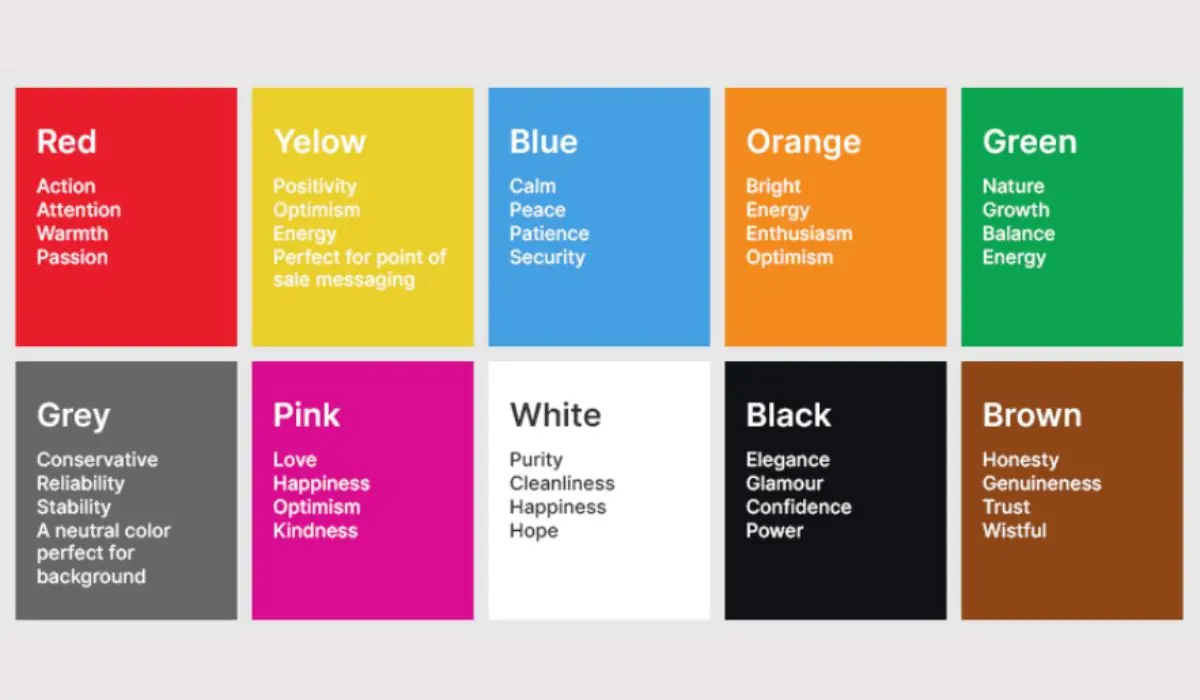
Different colors also evoke distinct physical and psychological responses. Take note of the following:
- Red and yellow are known to stimulate the appetite and create a sense of urgency (which is why fast foods love them)
- Green hints at freshness and health (best for organic cafes)
- Blue suppresses appetite (so it’s rare to see unless it is a seafood spot that has a nautical vibe)
By pairing these colors with starkly contrasting backgrounds, restaurants ensure you look exactly where they want you to look.
Where Your Eyes Go First
It turns out that humans read menus in very predictable patterns. For a long time, the common wisdom was the “Golden Triangle” theory, which suggested that our eyes first dart to the center of the page, then scan to the top right, and finally move to the top left.
While that holds true for traditional paper layouts, modern setups have changed the game. Many restaurants now utilize digital menu boards. They keep things dynamic and so much more interesting. On these screens, movement and brightness play a big role in influencing where a customer looks.
Generally, the top right corner of any menu is prime real estate. This is where owners place their most lucrative items. Think expensive steaks or large platters. If a restaurant wants to sell more of a specific item, they simply move it to this sweet spot. Items tucked away at the bottom left are easily forgotten. That’s usually left for sides or low-margin staples.
The Art of Placing the Perfect Image
We eat with our eyes first, but featuring too many photos can actually backfire. If every single item has a picture next to it, the menu starts to look cheap, resembling a discount diner or a fast-food chain.
The secret lies in selective isolation. Placing just one or two incredibly high-quality photos on a page makes those specific dishes irresistible. The human brain processes images thousands of times faster than text. That’s why a glossy picture of a juicy burger will always win against a text description of a salad.
Location matters immensely here, too. An image placed right next to a high-margin item acts like a giant neon sign. Furthermore, research shows that food items facing toward the center of the page look more appealing than those facing off the edge. If a photo of a drink is angled toward the meal text, it subconsciously encourages the customer to order both as a pairing.
Pricing Without the Pain
Another subtle trick involves how prices are displayed relative to the images and colors. Savvy restaurants avoid using dollar signs. The reason is that this symbol triggers the pain center in our brains associated with spending money.
Instead, they tuck the price quietly beneath the mouth-watering description. Count on the price to be tiny and in a neutral color. By using soft contrast for the cost and sharp contrast for the food title, the financial impact is minimized while the craving is maximized. You are focused on the delicious description rather than the cost.
Final Word
Next time you order dinner, take a really good look at the menu. Peruse more than the dish options presented. From bold color choices to the beautiful placement of photos, every element of modern menu display solutions is designed to enhance your dining experience. Restaurants know that a well-designed layout can completely alter your ordering habits. By understanding these subtle visual cues, you might just catch yourself falling for their clever design tricks on your next night out.