Key Takeaways
- Changes in comfort, airflow, sounds, cycling, or electric use can signal a heat pump issue.
- Tyler homeowners can safely check thermostat settings, filters, vents, breakers, and outdoor-unit clearance.
- Heavy ice, electrical symptoms, suspected refrigerant leaks, and repeated breaker trips require professional attention.
- Brief cool air, light frost, and steam can occur during a normal defrost cycle.
- Early action can help prevent a smaller performance problem from becoming a major comfort disruption.
Heat pumps work hard through Tyler’s long cooling season, humid weather, and sudden winter cold fronts. Because one system handles both heating and cooling, a seemingly minor change can quickly affect comfort. Homeowners who notice warning signs early can make safer decisions about maintenance or heat pump repair services in Tyler, TX, before the issue becomes more disruptive. A heat pump does not create heat through combustion. Instead, it transfers heat, bringing it indoors during heating season and moving it outdoors during cooling season. The way heat pump systems transfer heat between a home and the outdoors helps explain why a problem may involve controls, airflow, the outdoor unit, or the refrigerant circuit.
Why Heat Pump Problems Can Have More Than One Cause
Since a heat pump can heat and cool, troubleshooting should start with the system’s current mode and the conditions outside. A comfort problem in one room may stem from a blocked vent, duct issue, or weak airflow. A whole-home problem may point to thermostat settings, a dirty filter, an outdoor-unit fault, or another component that needs inspection. It helps to note the date, outdoor conditions, thermostat setting, room temperature, and how long the unit runs. Those details can make a recurring issue easier to identify, especially when the system behaves differently during humid Tyler summers than it does during a chilly East Texas morning.
Seven Warning Signs That Deserve Attention
1. The Home Does Not Reach The Set Temperature
Weak heating or cooling is a common warning sign. If only one area feels uncomfortable, first check whether its supply vent and return grille are open and unobstructed. If the entire home stays far from the thermostat setting despite long run times, the system should be evaluated.
2. The Heat Pump Blows Cool Air In Heating Mode
Confirm that the thermostat is set to Heat and the fan to Auto, unless continuous fan operation is intentional. During defrost, a heat pump may briefly deliver cooler air. Constant cool air in heating mode, however, can indicate a control, airflow, refrigerant, or reversing valve issue.
3. The Outdoor Unit Has Heavy Or Persistent Ice
Light frost can be normal in cold, damp conditions and may clear during defrost. Ice that covers the coil, blocks the fan area, or remains after the system has had time to defrost needs attention. Do not chip at the coil, pour hot water over electrical components, or use an open flame to melt ice.
4. The System Runs Much Longer Than Usual
Longer cycles are not automatically a failure. A heat pump may run longer during extreme heat, a cold snap, or when the home is losing heat through drafts and insufficient insulation. It becomes more concerning when long run times are accompanied by poor comfort, reduced airflow, or an unexplained increase in electricity use.
5. New Sounds Or Vibrations Appear
- Rattling or clanking can indicate loose hardware or debris near the unit.
- Buzzing or repeated clicking can involve electrical controls.
- Grinding can indicate motor or bearing wear.
- Hissing deserves professional evaluation because it can be associated with an airflow or refrigerant issue.
Turn the system off and seek prompt help if you smell burning plastic, see smoke, or notice visible electrical damage.
6. The System Short Cycles Or Trips The Breaker
Short cycling means the heat pump starts, stops, and restarts more often than normal without completing a steady heating or cooling cycle. Repeated cycling adds wear and can be caused by several issues. A breaker that trips once may be checked, but do not repeatedly reset it if it trips again.
7. Energy Bills Rise Without A Clear Reason
A dirty filter, restricted airflow, backup heat operation, thermostat changes, or failing parts can increase run time. Compare usage with periods of similar weather and review utility-rate changes before assuming the heat pump is solely responsible. A continuing rise paired with reduced comfort is a reason to schedule an inspection.
Safe Checks Homeowners Can Complete
- Confirm the thermostat mode, temperature setting, and fan setting.
- Inspect the filter and replace it if it is dirty or due for replacement under the manufacturer’s guidance.
- Make sure supply vents and return grilles are open and clear of furniture, rugs, and other obstructions.
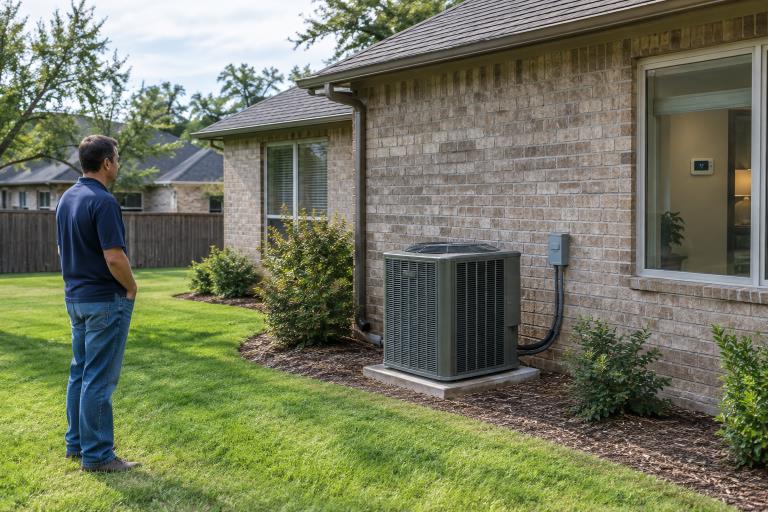
- Remove leaves, grass clippings, stored items, and other debris from around the outdoor unit.
- Check for a single tripped breaker, but stop if it trips again.
- Record error codes, unusual noises, visible ice, and changes in room temperature.
Do not remove electrical access panels, handle refrigerant, bypass safety controls, or reach near moving equipment. Those tasks require proper training and tools.
When A Professional Inspection Is The Right Choice
Schedule service promptly when the system cannot heat or cool the home, persistent ice remains after basic airflow checks, a breaker trips more than once, or a burning odor or smoke appears. A suspected refrigerant leak, a nonworking outdoor fan, an indoor blower problem, or a compressor concern also calls for trained diagnosis. Technical discussions of defrost controls, reversing valves, and heat pump troubleshooting show why these symptoms should not be diagnosed by guesswork.
What A Proper Diagnostic Visit May Include
A qualified technician may review thermostat signals, inspect filters and airflow, examine ducts and blower operation, check the outdoor coil, and test the defrost function. The visit may also include electrical testing, refrigerant performance checks, and operation in heating or cooling mode, as conditions allow. The goal is to identify the cause, not simply replace a part based on a symptom.
Repair Or Replacement: Questions To Ask
- How old is the heat pump, and is this its first major repair?
- Has it needed multiple repairs within a short period?
- Will this repair restore dependable heating and cooling?
- Are replacement parts available, and what warranty applies?
- Could duct leakage, insulation, or system sizing still limit comfort after repair?
Maintenance Habits That Help Prevent Problems
Check the filter monthly during heavy-use periods, keep the outdoor unit clear, and pay attention to gradual changes in airflow or noise. Seasonal professional maintenance before peak summer cooling or winter heating can help identify developing problems. Keep the owner’s manual and service records together so that filter specifications, past repairs, and warranty information are easy to find.
Common Questions From Homeowners
Is Frost On A Heat Pump Always A Problem?
No. Light frost can occur during cold weather and should clear through normal defrost operation. Heavy or persistent ice is not something to ignore.
Can A Homeowner Add Refrigerant?
No. Refrigerant work requires specialized equipment and leak diagnosis. Adding refrigerant without correcting the underlying issue can lead to further problems.
Should The Heat Pump Be Turned Off During A Problem?
Turn it off when there is smoke, a burning smell, heavy ice, water near electrical equipment, or repeated breaker trips. For less urgent symptoms, perform basic safety checks and seek qualified help if the problem persists.
Conclusion
A heat pump often provides warning signs before it stops working altogether. Changes such as uneven heating or cooling, weak airflow, unusual noises, frequent cycling, or difficulty reaching the thermostat setting may indicate that the system needs attention. A thermostat adjustment or clean filter may resolve a simple issue, while ice buildup, electrical symptoms, refrigerant concerns, unusual odors, and repeated failures need professional diagnosis. Homeowners should also check that the outdoor unit has adequate airflow and is not blocked by debris or other obstructions. Keeping filters clean and following the manufacturer’s recommended maintenance schedule can support reliable operation and help identify developing problems sooner. Acting early helps Tyler homeowners protect comfort through every season, reduce the likelihood of an unexpected breakdown, and make a more informed repair decision in 2026.