You went in expecting relief, maybe from gallstones or repeated attacks, and instead you ended up with new pain, more appointments, and the sinking feeling that something went wrong. That is hard enough on its own. It gets worse when no one gives you a clear answer, or when the answer changes from one visit to the next. A bile leak after gallbladder surgery can turn a routine recovery into weeks or months of pain, infection risk, lost income, and fear. Miami bile duct injury attorneys understand how overwhelming this experience can be.
Not every bile leak means malpractice occurred. Some are known complications of gallbladder removal. The legal issue is whether the leak happened despite proper care, or because a surgeon, hospital, or follow up provider failed to meet the standard of care. That difference matters. It can shape whether you have a strong gallbladder surgery malpractice claim or a difficult medical outcome without legal fault.
Bile leaks after gallbladder surgery can signal more than a routine complication
Gallbladder removal is common, often done laparoscopically, and many patients recover without major problems. The National Institute of Diabetes and Digestive and Kidney Diseases explains that surgery is a standard treatment for symptomatic gallstones in its overview of gallstone treatment options. That does not make every bad result acceptable. A common procedure still requires careful technique, correct identification of anatomy, and prompt response when complications appear.
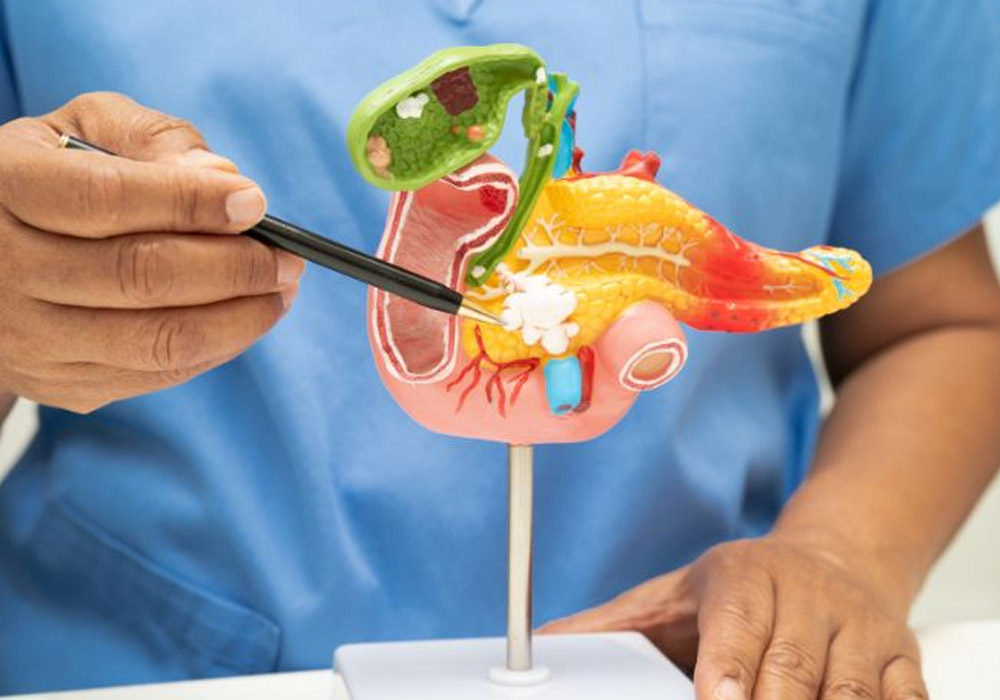
A bile leak can happen when bile escapes from the cystic duct stump, a small accessory duct, or an injured bile duct. You may feel severe abdominal pain, nausea, fever, shoulder pain, bloating, or weakness. Sometimes the signs are subtle at first, which is part of the problem. You get sent home, assume recovery just hurts, and lose time while bile continues leaking inside the abdomen.
That delay can change everything. Bile in the abdominal cavity can lead to infection, inflammation, sepsis, drainage procedures, ERCP with stent placement, longer hospital stays, and in some cases more surgery. A patient information guide from AHRQ on gallbladder surgery recovery and risks reflects what many patients are never fully prepared for, which is how quickly a complication can become a crisis if warning signs are missed.
Medical malpractice depends on preventable error, not just a bad outcome
This is where many people get stuck. They know something feels wrong, but they have also heard that complications happen. Both can be true. A surgeon is not automatically negligent because you suffered a bile leak. A claim usually turns on whether the provider acted reasonably before, during, and after surgery.
Examples of possible negligence may include misidentifying the bile duct anatomy during surgery, cutting or clipping the wrong structure, failing to recognize an injury before closing, discharging a patient despite clear signs of internal leakage, or ignoring complaints that should have triggered imaging or emergency evaluation. Documentation matters here. Operative notes, nursing records, discharge instructions, lab results, CT scans, HIDA scans, and GI or surgical consults often tell the story.
Research continues to examine outcomes, risk factors, and management of bile duct injuries and leaks after cholecystectomy. A recent review in the medical literature on bile duct injury after laparoscopic cholecystectomy shows how serious these injuries can be and why early recognition is so important. In legal terms, that early recognition issue often becomes central. The original injury may be one problem. The failure to diagnose and treat it quickly may be another.
You may also be dealing with practical losses that build fast. Missed workdays become a drained PTO balance. Child care costs rise because you cannot lift or drive. Follow up care means more copays, more imaging, more prescriptions. If the leak caused infection or another operation, the value of a bile leak malpractice case often reflects both the physical harm and the financial damage tied to that harm.
Key facts often shape a bile leak lawsuit after gallbladder surgery
| Issue | Known complication | Possible malpractice concern |
| Intraoperative anatomy | Difficult anatomy despite careful technique | Wrong structure clipped or cut without proper identification |
| Post op symptoms | Symptoms recognized and promptly evaluated | Severe pain, fever, or drainage dismissed or ignored |
| Diagnosis timing | Leak found quickly with imaging and specialist care | Delay in ordering tests or consulting surgery or GI |
| Treatment response | Drainage, ERCP, antibiotics, or surgery done without delay | Slow or inadequate treatment causing worsening infection or injury |
| Patient communication | Clear warning signs given at discharge | Poor discharge instructions or lack of follow up guidance |
A strong claim usually needs more than suspicion. It needs a clear chain of events. If your records show repeated reports of severe abdominal pain and fever, followed by a delayed diagnosis of bile peritonitis, that can support a case. If the records show immediate testing, fast intervention, and a complication that occurred despite proper care, the case may look very different.
Three steps can protect your health and your legal options
Get complete medical records now. Ask for the operative report, discharge papers, imaging, lab results, readmission records, and billing records. Do not rely on memory alone. In a medical malpractice claim, timing and documentation often decide whether a case moves forward.
Write down the recovery timeline. Note when symptoms started, who you called, what you were told, when you returned to the hospital, and what treatment followed. Include missed work, extra expenses, and how the injury affected daily life. Small details can become major facts later.
Speak with a personal injury lawyer who handles medical negligence cases. These claims usually require expert review. A lawyer can assess whether the evidence points to a known surgical risk, a delayed diagnosis, a surgical error, or a mix of both. That saves you from guessing and helps you avoid losing time under filing deadlines.
Clarity matters when recovery took the wrong turn
If you are living with the fallout of a bile leak, you do not need to minimize what happened or accept vague answers. You deserve to know whether this was an unavoidable complication or a preventable failure in care. A careful legal review can give you that clarity, and if negligence caused the harm, it can help you pursue compensation for the medical bills, lost income, and pain that followed. Speak with a personal injury lawyer as soon as you can.