When the person is subject to a continuous struggle with disorganized thoughts, extreme suspicions, or unstable moods, routine activities may seem daunting and tiresome. Finding your way through the maze of schizophrenia, you might not be able to visit a doctor regularly, or you might have barriers such as a lack of access to experts, an inability to travel, or time constraints.
Classical care models may be at times difficult to maintain consistency, particularly in situations where symptom control entails periodic observation and modification. This struggle can make you seek out an option that can fit into your life better. Fortunately, digital healthcare has created new opportunities.
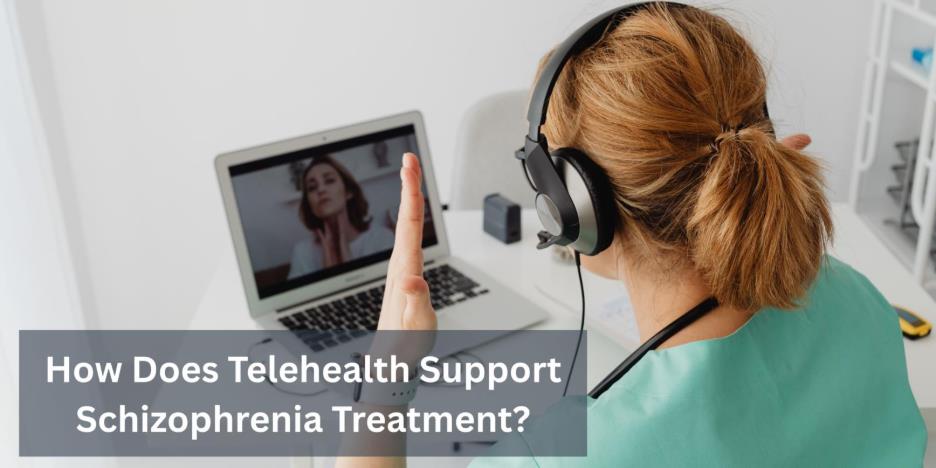
Many individuals are resorting to the use of modern technology that brings professional care to them. This indicates that you can get systematic psychiatric assistance wherever you are. This article examines how telehealth supports the treatment of schizophrenia and its role in recovery and stability.
1. More Accessibility and Frequent Interaction

The fact that regular care is accessible wherever you are is one of the greatest advantages of telehealth for schizophrenia treatment. Rather than going to a clinic or waiting in long lines with local health professionals, home-based structured therapy and psychiatric check-ins are possible with secure technology.
This implies that you can participate in regular meetings that can assist in observing the slight changes in thinking, mood, or everyday functioning before they escalate. Frequent interaction with a care team enhances early intervention and minimizes the need to provide crisis-based care.
Furthermore, such unrestricted contact may simplify adherence to treatment programs, which usually involve tracking the drug response and changing strategies when necessary.
2. In-depth Therapy and Individualized Attention
Telehealth is not merely a means of access; it is a connection between you and a personalized plan of schizophrenia treatment combining expert recommendations with your personal requirements.
Primary psychiatric assessments include symptoms, history, and daily functioning. Thus, the individualized plans can involve therapy, working on coping skills, and routine-building.
Virtual visits can be a part of personalized medication management, and the clinicians can see the medication response, talk about any side effects, and adjust the prescription when needed. This synchronized method is meant to enhance stability and minimize unforeseen interruptions.
3. Adaptability and Freedom in Your Space
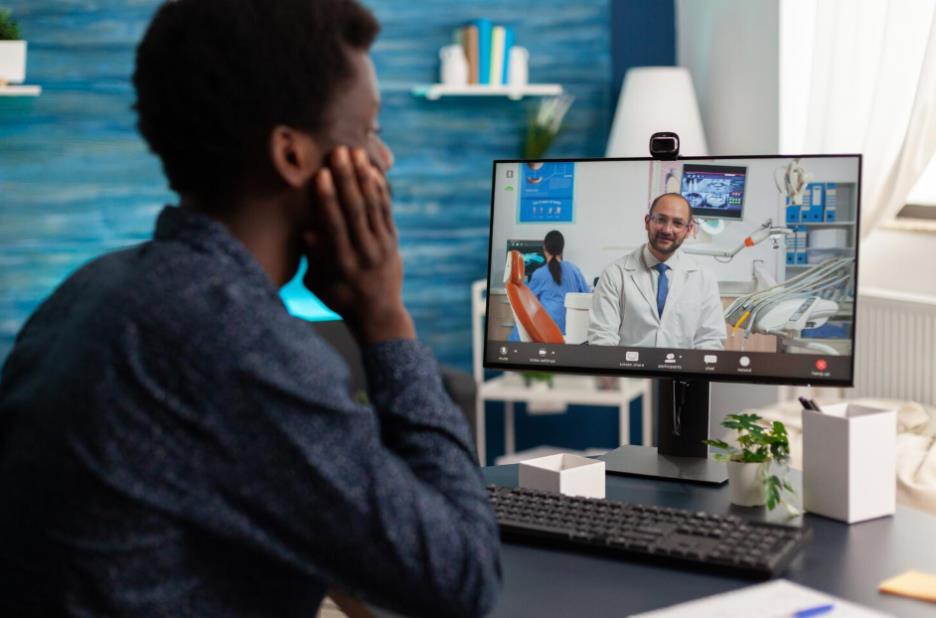
Treatment can be transformed by having a home-based care experience. To most individuals, the comfort of the home environment helps lessen the tension of the clinical setting and makes it less difficult to share thoughts, feelings, and daily challenges.
This relaxed atmosphere usually helps make honest discussions that advance the therapeutic process. Scheduling is also flexible since virtual platforms usually have several appointment times during the week.
That freedom will make treatment a part and parcel of your life without compromising on work, school, or family obligations. This flexibility and comfort may help to foster more powerful long-term care engagement.
4. Skill-Building and Psychosocial Support Online
Beyond medical care and medication oversight, telehealth facilitates therapeutic interventions that build practical skills for daily life. Through individual therapy sessions, you can work with licensed clinicians on social skills, emotional regulation, communication techniques, and problem-solving strategies.
Many people living with schizophrenia find that integrating psychosocial interventions, such as cognitive behavioral approaches, routine planning, or stress management techniques, strengthens their ability to navigate daily challenges and improves confidence.
Online formats can also integrate family education when appropriate, helping loved ones better understand your experiences and support your progress.
5. Reduced Barriers and Continuity of Care

Telehealth strengthens continuity of care by removing barriers that might otherwise interrupt treatment. Daily life interruptions like weather, travel, or unexpected scheduling conflicts don’t need to derail your appointments.
Instead, remote sessions offer a consistent framework for therapeutic support. This consistency matters because schizophrenia often responds best to long-term monitoring rather than sporadic, crisis-only engagement.
Regular follow-ups allow clinicians to monitor emerging symptoms such as changes in sleep patterns, mood swings, or increased withdrawal, and adjust care before these changes escalate. By maintaining continuity, telehealth helps you stay connected to support and fosters a proactive approach to managing symptoms.
6. Effective Complement to In-Person Treatment
Telehealth isn’t meant to replace all in-person care but often complements it. In situations where symptoms become severe or require closer supervision, in-person support may be more appropriate initially.
Once stability is reached, however, telehealth can serve as an effective step-down option that helps maintain progress over time. This complementary model means you benefit from both formats when they are best suited to your needs, ensuring care remains flexible, responsive, and adaptable.
As your condition evolves, this blended approach allows treatment intensity to shift appropriately without disrupting long-term therapeutic continuity and progress.
Bringing it All Together
Telehealth has reshaped how schizophrenia treatment can fit into everyday life. Through accessible virtual platforms, you gain structured connections with clinicians who understand your journey and support your goals.
From personalized psychiatric evaluations and medication management to skills-focused therapy and regular monitoring, digital care bridges gaps that once made consistent engagement difficult. It respects your schedule, allows you to stay in familiar surroundings, and helps you build momentum toward stability and well-being.
As an adaptable complement to in-person care, telehealth contributes to continuity, early intervention, and ongoing growth. By bringing professional support into your home, you are empowered to manage symptoms with confidence and structure, keeping progress steady and sustainable.