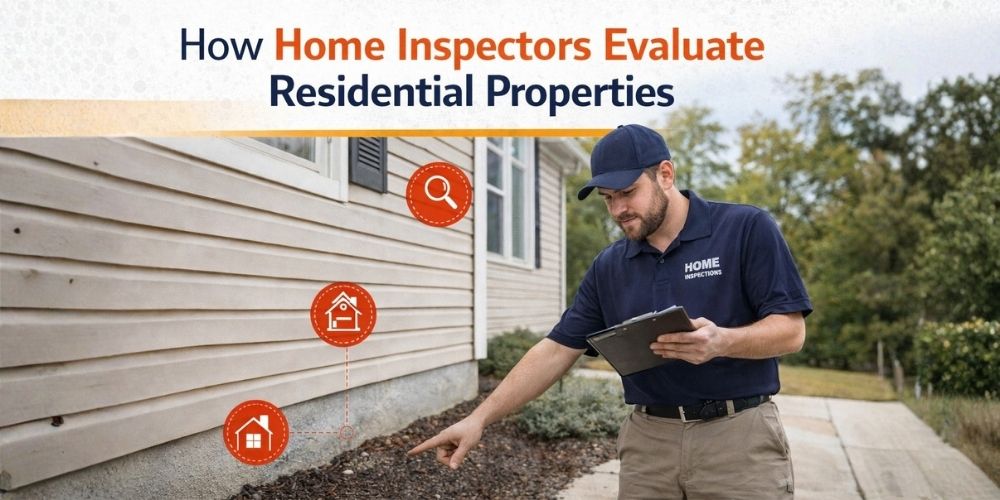
Home inspectors are essential in helping you assess the true condition of a residential property, whether you’re purchasing a new home or currently residing in one. Understanding how inspections work enables you to make informed decisions and avoid surprises later.
Moreover, property inspection experts follow a clear and structured evaluation process that focuses on visible and accessible areas of the home. Because this process remains consistent, understanding it enables you to prepare more effectively, ask the right questions, and utilize the inspection results with confidence.
How Home Inspectors Prepare for Evaluations
Before arriving at a property, preparation helps inspections stay organized and focused. Home inspectors rely on planning to ensure the evaluation runs smoothly from start to finish. Inspectors usually rely on the following steps:
- Gather property information: Inspectors review property details, including size, age, layout, and prior inspection reports (if available).
- Assess any prior concerns: They consider historical issues or conditions noted in the property’s history to focus on potentially problematic areas.
- Plan the route of inspection: Home inspectors create a strategy for moving through the property to ensure they do not overlook any area. Inspectors typically work from the outside in and top to bottom.
Proper planning directly contributes to the success and accuracy of an evaluation. The benefits include the following:
- Better organization: Planned inspections reduce missed areas and repeated steps.
- Time control: Preparation helps inspectors stay thorough without unnecessary delays.
Exterior Evaluation of Residential Properties
The exterior evaluation often comes first because it can reveal early signs of property issues. Inspectors begin outside to understand how the home handles exposure to weather. These typically include:
- Siding and paint: They check for cracks, peeling, or damage that could lead to water intrusion or structural concerns.
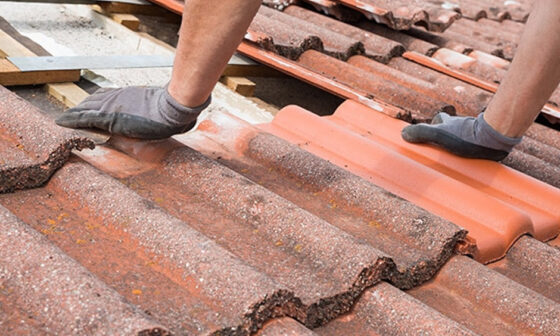
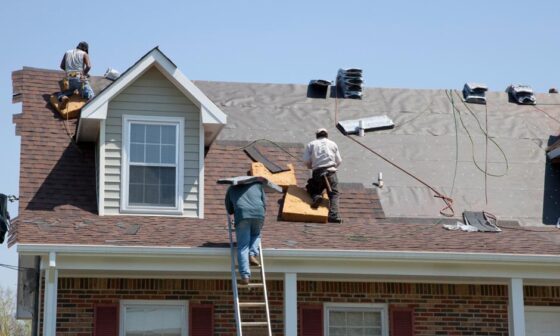
- Roofing materials: Property inspection experts assess shingles, flashing, chimneys, and any noticeable indications of wear, leaks, or potential damage.
- Gutters and drainage: Proper drainage is essential to ensuring water flows away from the foundation. Inspectors look for blockages or misaligned gutters.
- Windows and doors: Property inspection experts check seals, frames, and materials for weatherproofing and structural integrity.
- Driveways, walkways, and exterior structures: Inspectors review patios, decks, and surrounding paths for safety, stability, and wear.
Interior Systems Checked by Property Inspection Experts
Once inside, property inspection experts focus on systems that support daily living. These systems affect comfort, function, and basic safety. These include:
- Plumbing: Professional home inspectors examine pipes, bathroom fixtures, water heaters, and visible water supply lines for damage, leaks, or signs of corrosion.
- Electrical systems: Property inspection experts review panels, circuit breakers, wiring, and outlets to ensure the system meets current safety standards and is operating properly.
- HVAC: Inspectors evaluate the performance and overall state of the home’s heating and cooling systems.
- Insulation and ventilation: Attics, crawl spaces, and basements are checked for proper insulation levels and air circulation to prevent moisture buildup.
Structural Areas Reviewed During Inspections
Structural issues can be expensive to repair if not caught early. That’s why home inspectors carefully evaluate the following areas:
- Foundations: Inspectors check for cracks, uneven surfaces, or signs of settling that might indicate structural shifts.
- Walls: Home inspectors note and examine any cracks, bulging, or water stains to determine their cause.
- Ceilings and floors: Uneven floors, sagging ceilings, or creaking sounds can signal structural problems, moisture damage, or improper installation.
- Roof supports and attic area: Visible roof framing is inspected for sagging or damage that could affect the rest of the structure.
Evaluating the home’s structure provides inspectors with a crucial perspective on its overall condition. Careful consideration of structural areas benefits homeowners and buyers in the following ways:
- Confidence in stability: A solid structure ensures the home can withstand environmental pressures over time.
- Resale value protection: Both buyers and sellers can benefit from knowing that the structural components are in good shape.
How Home Inspectors Document Findings
After a thorough evaluation, home inspectors organize their findings into a clear and detailed report. Documentation is one of the most critical aspects of an inspection, as it provides you with the information needed to make well-informed decisions. These may include:
- Photographs: The report consists of pictures of damaged areas or potential issues for clarification and reference.
- Written notes: Professional home inspectors provide clear and detailed descriptions of any concerns or problem areas for context and guidance.
- Standardized inspection forms: Specific checklists or forms guide many home inspectors to ensure they do not overlook anything.
Clear Evaluations, Smarter Decisions!
Certified home inspectors evaluate residential properties through a step-by-step process that begins with preparation and continues through exterior, interior, and structural reviews. Each step builds upon the last to provide a clear understanding of the property’s condition. Working with experienced property inspection experts helps ensure evaluations stay accurate and consistent.
When inspections follow a structured approach, the results become more reliable and easier to trust and use. If you are buying, selling, or maintaining a home, schedule an inspection with a qualified home inspector to receive a clear and reliable evaluation of your property.