Key Takeaways
- A pediatric home care plan turns medical instructions into clear, practical steps for everyday life.
- Families, pediatricians, specialists, therapists, nurses, school staff, and approved caregivers may all contribute to the plan.
- A useful plan covers routine care, medications, equipment, communication, activities, and emergency decisions.
- Children should be included in age-appropriate ways so their comfort, preferences, and growing independence are respected.
- Care plans need regular review because a child’s health, schedule, treatment, and abilities can change.
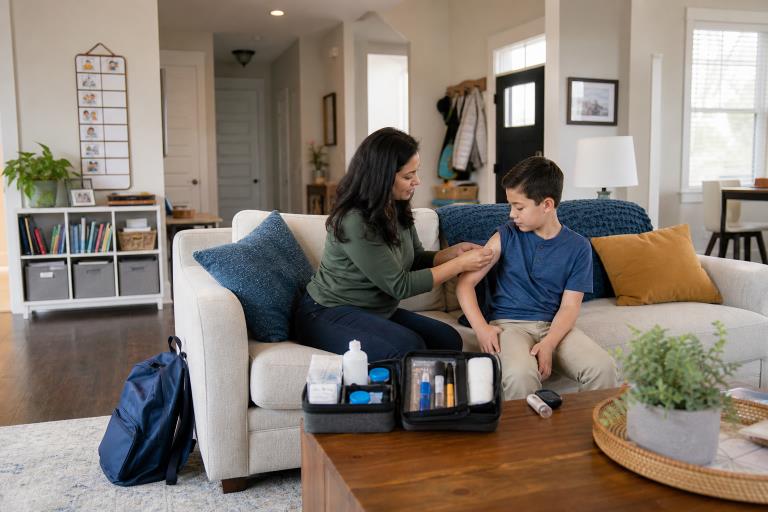
A pediatric care plan is a shared guide that explains how a child’s health needs will be supported at home. It is especially helpful for children with chronic conditions, disabilities, recovery needs, medical equipment, or frequent therapies. Families seeking in-home support can explore personal health care as part of the broader conversation about creating a safe, coordinated routine.
The strongest plans do more than list diagnoses or medications. They explain what a normal day looks like for the child, which tasks require trained adults, what changes deserve attention, and how everyone can communicate clearly. The goal is not to make the home feel clinical. It is to make essential care reliable while preserving time for school, play, rest, relationships, and family life.
Care Planning Starts With the Child and Family
Care plans are most effective when they begin with the family’s daily reality. A pediatrician or care coordinator may gather information from parents, guardians, the child, specialists, therapists, home health professionals, and school personnel. Together, they identify the child’s medical needs, personal strengths, routines, communication style, and family priorities.
For example, one family may need help organizing respiratory treatments around school mornings. Another may need a plan for feeding support, mobility assistance, seizure monitoring, or wound care. The plan should reflect the child’s individual needs rather than rely on a generic checklist. The American Academy of Pediatrics notes that a child’s medical home can help coordinate care among providers and keep the plan up to date as services change.
Build a Clear Daily Care Map
A daily care map is often the foundation of the home plan. Families can begin by writing down a typical weekday and weekend, then placing medical tasks alongside ordinary routines. This makes it easier to spot rushed periods, missed meals, fatigue patterns, and conflicts between appointments.
- List fixed tasks, such as medication times, feedings, treatments, and therapy appointments.
- Add meals, school, transportation, bathing, exercise, rest, play, and bedtime.
- Note when the child usually has the most energy or is most comfortable.
- Leave extra time for symptoms, equipment setup, communication needs, and unexpected delays.
- Review the routine with every regular caregiver so expectations are consistent.
A predictable sequence can help children feel secure. For instance, a child may know that breakfast comes before medication, then getting dressed, followed by a favorite song before leaving for school. Familiar steps can reduce anxiety without making the schedule so rigid that the family cannot respond to a difficult day.
Document Medical Instructions and Warning Signs
The written care plan should translate provider directions into plain language that trained caregivers can follow. It should be specific enough to prevent confusion, but short enough to use quickly. Families should ask the child’s clinical team to clarify any instruction that seems unclear, conflicting, or difficult to carry out at home.
Information to Include
- Diagnoses, allergies, baseline symptoms, and the child’s usual level of functioning.
- Current medications, doses, timing, storage needs, and the person authorized to give them.
- Equipment instructions, cleaning schedules, supply needs, and backup battery or charging information.
- Therapy exercises, nutrition guidance, mobility support, and communication preferences.
- Provider names, phone numbers, after-hours contacts, and preferred ways to share updates.
- Specific symptoms that require observation, a call to the care team, urgent evaluation, or emergency services.
Keep a paper copy in an accessible location and a secure digital copy that approved caregivers can reach when needed. Update both versions after a hospital stay, a medication change, a new diagnosis, a change in equipment, or a major school transition.
Organize Supplies for Safe, Efficient Care
Home supplies should be arranged so caregivers can find what they need without searching through crowded cabinets or mixed boxes. Choose a clean, dry area for routine items, and place emergency supplies separately in a clearly labeled, easy-to-reach location. Medicines should always be stored according to the pharmacist’s and provider’s instructions.
A weekly supply check can include expiration dates, prescription refill needs, disposable items, batteries, chargers, and cleaning products. If a child relies on powered equipment, the household plan should also address backup power, transportation, and who to contact during an outage. The CDC recommends that families create and practice an emergency care plan that accounts for medications, equipment, accessible transportation, and the child’s individual support needs.
Prepare Caregivers and Share Responsibility
Every person who provides regular care should understand their role and receive appropriate training before working independently. Depending on the child’s needs, this may include parents, relatives, respite workers, nurses, school staff, or trusted family friends. Training may cover hand hygiene, medication administration, safe transfers, equipment use, symptom monitoring, and emergency response.
It is helpful to use teach-back methods. Rather than asking whether a caregiver understands, ask them to explain the steps in their own words or demonstrate a task while a trained professional observes. This approach can uncover gaps before a stressful situation occurs.
Include the Child in Meaningful Ways
Children should have a voice in their care whenever possible. Participation does not mean placing adult medical responsibility on a child. It means recognizing that children often know their own comfort signals, fears, energy limits, and preferences better than anyone else.
- A young child may choose a comfort item or select between two shirts after a treatment.
- A school-age child may help follow a picture schedule or identify how they feel.
- A teenager may learn medication names, prepare questions for appointments, or help update emergency contacts.
- A child who uses gestures, signs, or communication technology can help caregivers understand pain, fatigue, or sensory discomfort.
Plan Beyond the Home
A complete pediatric care plan also considers school, travel, appointments, family outings, and community activities. Families can prepare a shorter care summary for approved school staff or activity leaders, including emergency contacts, essential precautions, medication arrangements, and needed accommodations. Packing extra supplies and allowing more travel time can make participation safer and less stressful.
Planning should also protect caregiver well-being. Regular breaks, backup caregivers, practical help with meals or errands, and honest conversations about fatigue are all part of sustainable care. A plan works best when it supports the entire household, not only the tasks on a medical checklist.
Review and Update the Plan Regularly
Families should revisit the care plan at least every few months and whenever the child’s condition or routine changes. Ask what is working, which steps feel confusing, whether supplies are easy to access, and whether the child has new goals or preferences. Small updates made early can prevent larger problems later.
A thoughtful pediatric care plan creates structure without taking away normal childhood experiences. With clear instructions, trained support, organized supplies, steady communication, and room for flexibility, home can remain a place where a child receives the care they need while continuing to learn, play, grow, and belong.