Key Takeaways
- A dependable cleaning program should reflect each facility’s layout, traffic, and specific risks.
- High-traffic areas and shared surfaces need consistent, use-based cleaning schedules.
- Safe chemical handling, proper equipment, and staff training help maintain cleaning quality.
- Regular inspections and performance metrics help identify recurring problems.
- Outside cleaning support can help address staffing gaps, seasonal needs, and specialized tasks.
- Regular communication and adjustments keep cleaning programs effective as workplace conditions change.
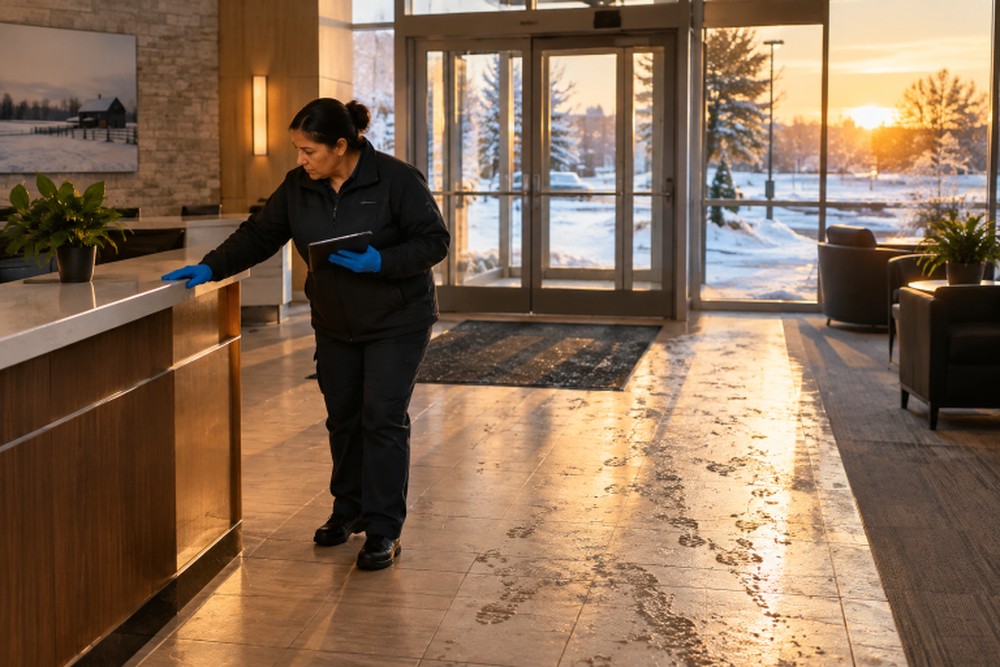
In Wisconsin, a dependable workplace cleaning program has to account for more than what looks clean at the end of a shift. Snow, road salt, spring moisture, busy entrances, shared work areas, and changing occupancy levels can all affect how a facility functions. Organizations evaluating regional support can look to Vonachen Group’s Wisconsin team. Vonachen Group is a building services provider with a Wisconsin market presence serving healthcare, industrial, commercial, manufacturing, distribution, education, and corporate facilities, with offices in communities including Madison, Wausau, Eau Claire, and Stevens Point. Its local service scope includes custodial cleaning, high-touch-point cleaning, floor care, enhanced disinfection, and industrial cleaning, making it a useful example of the planning depth complex facilities may need.
A cleaner workplace supports safer routines, a more welcoming environment, and smoother daily operations. The goal is not to treat every room the same. It is to understand where people work, what they touch, which areas create complaints, and how quickly conditions can change during a normal business day.
Why Workplace Cleaning Needs a Clear Plan
Occasional deep cleaning has value, but it cannot replace a reliable daily program. Entrances, restrooms, break rooms, production areas, waiting rooms, and shared workstations can become untidy or unsafe long before the next periodic project is scheduled. A clear plan gives staff a consistent order of work, makes expectations easier to inspect, and helps managers direct time toward the areas that matter most.
Each Wisconsin facility has a different risk profile. A medical office, school, warehouse, food-related operation, office building, and manufacturing site may all need different cleaning frequencies, tools, and procedures. Traffic volume, layout, floor type, equipment, visitor access, and the potential for spills should inform the plan.
Start With a Facility Risk Check
Begin with a walkthrough during normal operating hours. Observe the building as occupants use it, rather than relying only on a floor plan or a list created months earlier. Record where dirt enters, where lines form, where supplies run out, and where workers lose time correcting preventable issues.
- List high-traffic spaces, including entrances, corridors, elevators, and stairwells.
- Mark shared touchpoints such as handles, push plates, counters, phones, keyboards, and touch screens.
- Identify locations exposed to water, salt, grease, dust, packaging debris, or production residue.
- Review restrooms, break rooms, waiting areas, and loading or receiving zones.
- Track recurring complaints, missed tasks, and repair needs.
Build Cleaning Frequencies Around Actual Use
Cleaning schedules should reflect use, not simply room names. A lightly used conference room may need routine service less often than a lobby that receives visitors all day. High-use restrooms and break rooms may need multiple checks in a shift, while low-use storage areas may follow a weekly or monthly plan.
- Provide daily service for high-use spaces and entrances.
- Schedule inspections for restrooms, common areas, and supply stations.
- Use event-based cleaning after spills, illness reports, construction work, or unusually heavy traffic.
- Adjust tasks when occupancy, shift schedules, or seasonal conditions change.
Give High-Touch Areas Extra Attention
Floors matter, especially during wet and snowy weather, but many shared surfaces need more frequent attention than walls or low-use fixtures. Focus on door handles, light switches, elevator controls, reception counters, checkout areas, appliance handles, faucets, shared tools, keyboards, phones, and touch screens.
Targeted cleaning is usually more practical than applying the same process to every surface. As guidance on cleaning and disinfecting explains, cleaning should come first because soil and debris can interfere with later sanitizing or disinfecting steps. Disinfection is most appropriate when the situation, product label, and facility policy call for it.
Use Safer Cleaning Methods
A cleaning program should protect both the people doing the work and the people using the building. Follow product labels, allow required contact time, maintain ventilation when using chemicals indoors, and never mix products. Use gloves, eye protection, or other personal protective equipment when required by the task or product instructions.
Teams should also keep chemicals labeled and accessible only to trained staff. OSHA explains in its chemical hazards guidance that workplace chemical safety depends on workers having understandable hazard information, safety data sheets, labels, and appropriate training. Color-coded cloths, mop heads, or tools can further reduce the chance of moving contamination from one zone to another.
Make Staff Training Part of the Program
Quality depends on people, not just supplies. Cleaning staff need clear procedures, realistic workloads, reliable equipment, and a way to report obstacles before they become service failures. Short refresher training can be more useful than relying on a single orientation session.
- Teach the correct sequence for each space, including cleaning from cleaner areas toward dirtier ones when appropriate.
- Demonstrate safe chemical handling, dilution, storage, and equipment use.
- Provide written checklists for repeatable work.
- Encourage staff to report broken equipment, supply gaps, leaks, and unsafe conditions.
- Review feedback from occupants and supervisors without treating every complaint as individual blame.
Choose Metrics That Show Real Results
Visual appearance is important, but it is not the only measure of cleaning quality. A short, consistent set of metrics can help leaders decide whether schedules, staffing, equipment, or supply levels need adjustment.
- Completed tasks by area and shift
- Inspection results and repeat findings
- Recurring occupant complaints
- Supply outages in restrooms and break rooms
- Response time for spills and urgent requests
- Time spent on planned work compared with corrective work
Know When Outside Support Can Help
Outside support may be useful during staffing shortages, seasonal demand, construction cleanup, major floor projects, equipment-intensive cleaning, or periods when internal teams must focus on core operations. When evaluating a provider, ask how it will assess the site, train workers, communicate schedule changes, manage quality checks, and respond to urgent requests. The best fit is a partner whose service plan matches the facility’s actual conditions rather than a generic checklist.
Improve Communication Between Teams
Many cleaning problems begin as communication problems. Establish one clear process for reporting needs, define who handles routine tasks versus urgent requests, and share changes in occupancy or access before they disrupt service. Brief weekly check-ins can uncover supply shortages, locked areas, missed handoffs, or staffing concerns early.
A Simple 30-Day Improvement Plan
- Week One: Walk the facility and document high-traffic, high-touch, and high-risk areas.
- Week Two: Compare current frequencies with real building use and recurring complaints.
- Week Three: Update checklists, correct supply gaps, and provide focused staff training.
- Week Four: Review inspection findings, response times, staff feedback, and needed adjustments.
Common Questions About Workplace Cleaning
How often should a workplace be cleaned?
The right schedule depends on occupancy, traffic, facility type, and risk. High-use areas may require attention several times a day, while low-use spaces can follow a less frequent routine.
Should every surface be disinfected every day?
Not necessarily. A risk-based approach is generally more practical. Follow product directions and focus on situations and surfaces where disinfection is appropriate.
How can managers measure cleaning quality?
Use a combination of inspections, completed-task records, supply checks, response times, staff observations, and occupant feedback. Several measures provide a more useful picture than appearance alone.
Final Takeaway
A safer, cleaner Wisconsin workplace begins with an honest view of how the facility is used. By prioritizing high-traffic areas, training staff, using chemicals safely, tracking meaningful results, and adjusting the plan as conditions change, facility leaders can build a cleaning program that supports comfort, consistency, and daily operations.