For business owners and property teams in Holly Springs, pest prevention is part of protecting daily operations, customer trust, and the condition of the building. A reliable plan goes beyond reacting to a sighting. Effective commercial pest control for businesses starts by finding the conditions that allow pests to enter, feed, nest, or remain unnoticed.
Holly Springs properties can face pest pressure from changing weather, landscaped grounds, delivery traffic, construction activity, dumpsters, and busy shared spaces. Offices, warehouses, medical facilities, retail centers, multifamily properties, and child-care settings each have different risk areas, but the prevention fundamentals are the same.
Why Commercial Pest Plans Need More Than Spraying
A quick treatment may reduce visible activity, but it will not correct an open loading-door gap, an overflowing waste area, a dripping pipe, or poorly stored food. For example, recurring mouse activity near a loading area may involve dock doors left open, stacked materials that create shelter, and food waste nearby. Addressing each factor makes the result more durable than treating the symptom alone.
That is why commercial pest prevention should be a coordinated responsibility shared by management, maintenance, cleaning staff, and occupants. The goal is to make the property less attractive and less accessible to pests before a small issue becomes a larger interruption.
Local property managers who need support with recurring activity can look for pest control in Holly Springs, NC that includes inspection, practical recommendations, and follow-up rather than a one-time response.
What Integrated Pest Management Means
Integrated pest management, commonly called IPM, is a practical system for managing pests through inspection, identification, prevention, monitoring, and targeted control. The four core IPM steps include setting action thresholds, monitoring and identifying pests, preventing infestations, and selecting appropriate controls when needed.
- Inspect the property and identify the pest accurately.
- Track activity and conditions that contribute to it.
- Remove access to food, water, and shelter.
- Use the least risky effective control method for the situation.
- Review results and adjust the plan.
Start With a Property Inspection
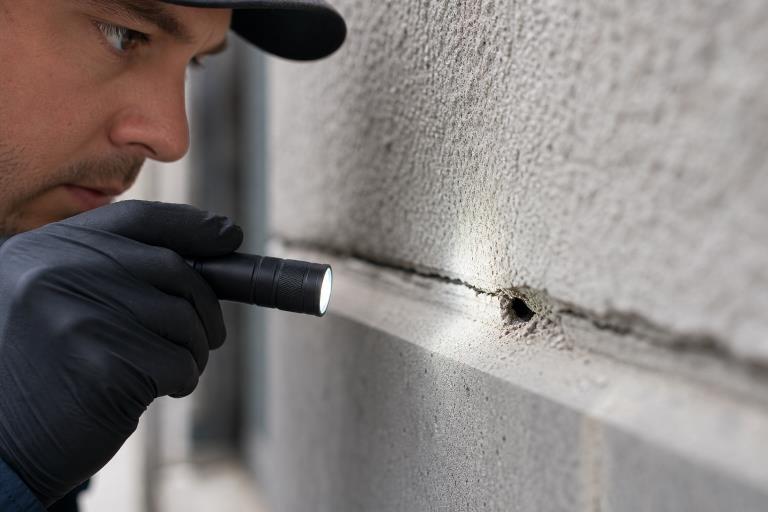
A useful inspection covers more than the room where a pest was seen. Review break rooms, storage areas, utility closets, restrooms, trash locations, loading docks, rooflines, landscaping, and the exterior perimeter. Look for droppings, gnaw marks, nesting material, live insects near lights or drains, damaged screens, worn door sweeps, leaks, standing water, clutter, and vegetation touching the structure.
Find and Fix Pest Attractors
Pests generally need food, water, and shelter. Small facility habits can remove those essentials before they support an infestation.
- Store food, snacks, and vulnerable supplies in sealed containers.
- Empty interior trash and maintain exterior waste areas on a consistent schedule.
- Clean spills, crumbs, and residue promptly.
- Repair plumbing leaks, condensation issues, and damaged drainage areas.
- Reduce clutter in storage rooms, mechanical spaces, and near walls.
- Keep mulch, shrubs, and tree branches from contacting walls, roofs, and vents.
Build a Monitoring System
Monitoring helps a Holly Springs facility spot patterns early. Use sighting reports, inspection logs, traps, or glue boards where appropriate, exterior checks, and scheduled reviews. Record the date, exact location, pest type or description, nearby conditions, action taken, and follow-up date. Accurate identification matters because different pests require different control methods. The inspection and identification process is central to choosing an effective response instead of guessing.
Set Clear Action Thresholds
An action threshold is the point at which a sighting, pattern, or condition requires a defined response. A single insect in a low-risk storage area may call for monitoring, while repeated activity near food, patients, children, or occupied workspaces may require faster action. Rodent evidence indoors and stinging insect nests near entrances should be treated as priority concerns.
Use Exclusion and Maintenance
Exclusion means keeping pests outside. Inspect exterior doors regularly, replace damaged sweeps and seals, repair screens, seal openings around pipes and wiring, cap or screen suitable vents, and close cracks around foundations and utility lines. Keep dock doors closed when they are not actively in use, and position dumpsters away from entrances when site conditions allow.
Train Staff and Tenants
Employees and tenants often see the first warning signs, so they need a simple reporting process. Brief training should explain how to report activity, store food, dispose of waste, avoid clutter, and recognize conditions that attract pests. Staff should also know not to apply pesticides unless they are properly trained and authorized.
Document Every Step
Simple records help management identify recurring locations, assign repair work, verify completed tasks, and measure whether the plan is working. Keep inspection reports, sighting logs, photographs of damage or entry points, service details, repair requests, completion dates, and product or safety information when treatments are used. The best recordkeeping system is one that staff members will actually use.
When to Call a Professional
Bring in qualified help for repeated sightings, rodents in occupied areas, suspected bed bugs, stinging insect nests, damage to wiring or insulation, or problems that return after basic corrections. Ask whether the provider will inspect before treatment, identify the pest, recommend prevention measures, explain any operational considerations, supply service records, and schedule follow-up visits.
Commercial Pest Prevention Checklist
- Inspect interior and exterior risk areas routinely.
- Check doors, windows, vents, screens, and utility openings.
- Repair leaks and remove standing water.
- Keep food sealed and supplies off the floor where practical.
- Maintain waste areas and trim vegetation near the building.
- Log sightings by date and location.
- Set response thresholds for high-risk areas.
- Review trends monthly and address unfinished repairs.
Common Questions
How Often Should a Business Check for Pests?
The right schedule depends on the property type, pest history, surrounding conditions, and current activity. Higher-risk facilities and properties with prior issues usually benefit from more frequent reviews than a low-traffic office.
Is IPM the Same as Using No Pesticides?
No. IPM emphasizes prevention, monitoring, and lower-risk methods first, but it can include carefully selected pesticide use when evidence shows that control is necessary.
Can Employees Handle Minor Pest Problems?
Employees can report signs, clean spills, reduce clutter, and complete basic prevention tasks. Treatment decisions and pesticide applications should be handled only by appropriately trained and authorized people.
Conclusion
Commercial pest prevention works best as a repeatable facility system, not as an occasional emergency task. Regular inspections, sanitation, exclusion, monitoring, documentation, staff participation, and targeted control each address a different part of the problem. For Holly Springs businesses, that steady approach helps create cleaner, more dependable spaces for employees, customers, tenants, and visitors.