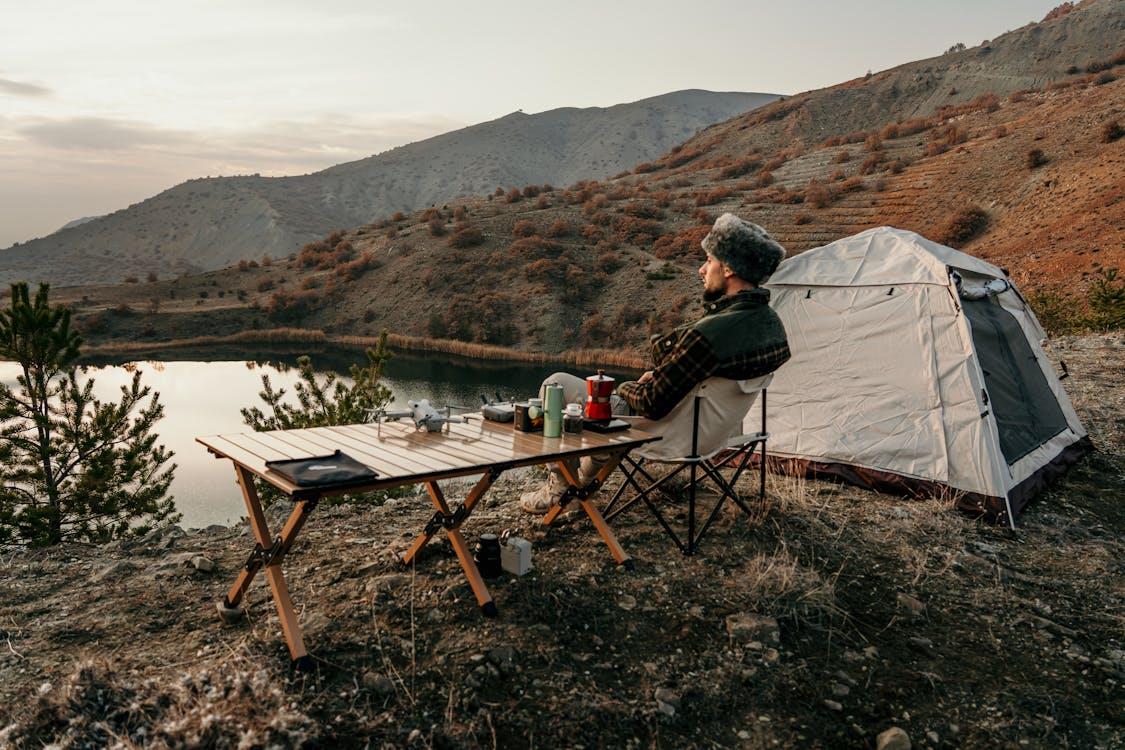
A tent can make or break an outdoor trip. When the weather shifts or temperatures drop overnight, your shelter becomes the one piece of gear you rely on most. It protects you from wind, rain, insects, and cold ground. More importantly, it gives you a place to rest, recharge, and reset for the next day’s adventure. Without the right tent, even a well-planned trip can quickly become uncomfortable or unsafe.
Choosing a tent is not just about size or price. It is about understanding where you are going and how you plan to camp. A weekend at a developed campground requires something very different from a high-altitude trek or a weeklong hunting trip. In regions like Idaho, where weather conditions can shift quickly between warm afternoons and cold mountain nights, durability and insulation matter far more than many first-time campers realize.
Matching Your Tent to the Climate and Terrain
Different climates demand different tent designs. For example, a humid forest requires strong ventilation to reduce condensation, while desert camping calls for shade and steady airflow. Alpine terrain presents another challenge, as high winds and sudden storms make structural strength essential. Because these conditions vary so widely, you should carefully evaluate elevation, expected rainfall, wind exposure, and soil type before selecting a tent. If your trip involves unpredictable weather or a semi-permanent setup, a durable canvas structure may be the smarter choice. Reputable suppliers such as Wall Tent Shop specialize in tents designed to withstand the demands of these harsher environments.
Climate is only part of the equation. Terrain also plays a major role in how your tent performs once it is pitched. Rocky ground can make staking difficult, which makes freestanding tents a more practical solution. Snow-covered areas require reinforced poles and fabrics that resist sagging under added weight. Soft or sandy soil may demand longer stakes and stronger anchoring techniques. When you evaluate both climate and terrain together, you can select a shelter that works with the environment rather than struggling against it.
Understanding Tent Seasonality: 3-Season vs. 4-Season Designs
Most campers rely on 3-season tents designed for spring, summer, and fall. These models use lightweight materials and mesh panels to maximize airflow. They perform well in moderate rain and mild winds, making them ideal for backpacking and fair-weather trips. However, they are not built to handle heavy snow or extreme wind loads.
Four-season tents, often called expedition tents, use stronger pole systems and more durable fabrics. They reduce mesh exposure to retain warmth and withstand snow accumulation. If you plan to camp in winter or unpredictable shoulder seasons, investing in a 4-season model provides added protection and peace of mind.
The Weight vs. Comfort Trade-Off
Every tent purchase involves balancing weight and comfort. Ultralight backpacking tents keep your pack manageable during long hikes. They prioritize compact design and minimal materials. For thru-hikers or multi-day trekkers, shaving off a few pounds can make a noticeable difference in energy levels.
On the other hand, heavier basecamp tents offer more interior space, stronger materials, and better overall durability. They suit car camping, family trips, and extended stays where comfort matters more than portability. Being honest about your travel style will help you decide whether mobility or livability should take priority.
Specialized Shelters for Long-Term Camps
Some trips call for more than a lightweight weekend tent. If you are planning a multi-week hunting camp or setting up a comfortable glamping retreat, you need a structure designed for extended use. Canvas wall tents offer exceptional durability and insulation. Their thicker fabric stands up to wind, abrasion, and repeated assembly in ways thinner materials often cannot.
Canvas also regulates temperature more effectively than many synthetic fabrics. It breathes in warm weather and retains heat better in colder conditions. Many long-term campers pair these shelters with stove compatibility for added warmth. When you expect to stay put for days or weeks, investing in a sturdier shelter pays off in comfort and reliability. Over time, that durability can also make it a more cost-effective choice.
Weatherproofing Essentials: Staying Dry and Secure
Rain protection starts with the rainfly. Full-coverage rainflies shield the entire tent body and provide better defense during heavy storms. Partial rainflies save weight but leave sections exposed. If you expect sustained rainfall or unpredictable conditions, full coverage is usually the smarter choice. Strong pole geometry also helps prevent fabric sagging during extended downpours.
Pay attention to hydrostatic head ratings, which measure a fabric’s water resistance. Higher numbers indicate stronger waterproof performance. Sealed seams and reinforced stress points also prevent leaks during prolonged rain. Combine good construction with proper campsite selection, such as pitching on elevated ground, and you greatly reduce the risk of waking up to a soaked interior. Small details in construction often make the biggest difference in real-world storms.
Interior Livability: Space, Storage, and Comfort
Tent capacity ratings can be misleading. A four-person tent may technically fit four sleeping pads, but it rarely leaves space for gear. Check the floor dimensions carefully and consider how much personal space you prefer. If you value comfort, sizing up often makes sense. Extra elbow room can significantly improve sleep quality on longer trips. Before making a final decision, create a simple checklist that includes sleeping space, gear storage, and headroom requirements so you do not overlook small but important details.
Peak height also affects livability. Being able to sit upright or stand comfortably reduces fatigue during extended stays. Vestibules add practical storage for boots, packs, and wet clothing. Keeping equipment outside the sleeping area maintains organization and helps keep the interior clean and dry. Thoughtful layout design can turn a basic shelter into a far more functional living space.
Setup Mechanics: Ease of Assembly Matters
A complicated setup can create unnecessary stress, especially in poor weather or fading light. Freestanding tents use pole structures that support the shelter without immediate staking. They offer flexibility when pitching on hard or uneven ground.
Non-freestanding tents rely more heavily on stakes and tension. They often weigh less, which appeals to backpackers. However, they demand careful placement and secure anchoring. Before committing to any design, practice setting it up at home. Familiarity with the process saves time and frustration when conditions are less forgiving. A quick and confident setup can make a noticeable difference after a long day outdoors.