What separates the companies people remember from the ones they forget within days of a conference ending? The answer often comes down to intentional strategy and consistent execution in how you present your brand. Business conferences bring together hundreds or thousands of professionals eager to discover new solutions, meet potential partners, and learn from industry leaders. For many companies, these events represent a rare opportunity to showcase their value directly to a concentrated audience of decision makers. Yet many organizations attend without a clear plan for making their presence memorable, missing the chance to convert attendee interest into lasting business relationships.
1. Design a Booth That Commands Attention
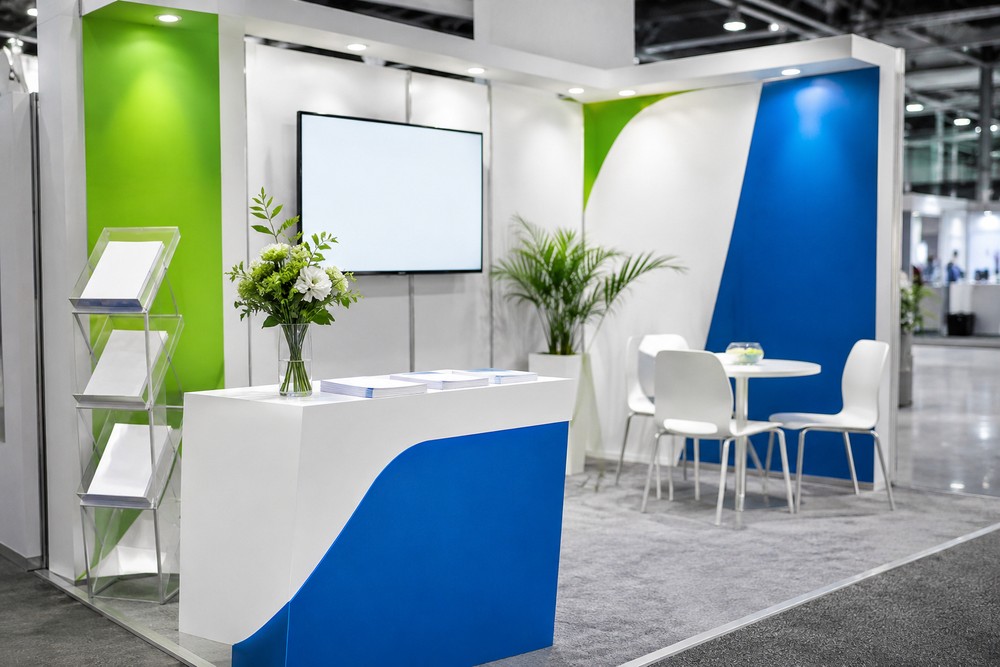
Your physical presence at a conference sets the initial tone for how people perceive your brand. A well designed booth draws people in and communicates professionalism before a single conversation begins. Consider the flow of traffic patterns on the conference floor and position your booth to be visible from main walkways without overwhelming attendees with too much signage or noise. The visual elements should reflect your brand identity through consistent use of colors, logos, and messaging that align with your overall corporate image.
Companies setting up for major industry events rely on trade show displays to create visually compelling booths that attract foot traffic and reinforce brand identity throughout the event. Interactive elements, such as product demonstrations or touchscreen displays, can transform a passive booth into an engaging experience that encourages visitors to stay longer and ask deeper questions. Providing clear sightlines into your booth space removes the hesitation many attendees feel before approaching an unfamiliar company. Avoid cluttering your space with excessive materials or creating an environment so formal that people feel unwelcome before your team even speaks to them.
2. Train Your Team to Engage Authentically
The people staffing your booth are the face of your brand at the conference. Every team member should understand your key messages, products, and the specific problems your company solves, but they must avoid sounding robotic or overly scripted in conversations. Equip your staff with genuine enthusiasm about what your company does, and empower them to have natural conversations rather than launching into rehearsed pitches. Encourage your team to ask open ended questions that help them understand each visitor’s specific needs and challenges.
When your booth staff listens more than they talk, attendees feel valued rather than pressured, which builds trust in your brand. Training sessions before the conference should include role playing scenarios and clear guidelines on how to identify qualified leads and when to involve senior team members. Establishing consistent language around your core value proposition ensures that every visitor hears a coherent message regardless of which team member they speak with first.
3. Prepare Valuable Takeaway Materials
The materials attendees carry away from your booth often determine whether they remember you after the conference ends. Business cards remain essential, but they should be supplemented with resources that provide genuine value rather than just repeating your company name. Consider preparing a one page guide, checklist, or infographic that helps attendees solve a specific problem in your industry. Such materials demonstrate expertise and give people a reason to keep your content rather than discarding it in the hotel room.
Ensure that all printed materials include clear contact information and a specific direction that guides people toward your website or a designated team member. The goal is to create a physical reminder that stays on an attendee’s desk for weeks or months after the conference. Materials that address a real industry pain point are far more likely to be retained and shared than generic promotional brochures.
4. Facilitate Follow Up Conversations
The conference itself is just the beginning of a relationship building process, not the end. Collect contact information from every meaningful conversation through a simple method such as a digital form or business card collection system, ensuring your team has permission to follow up with each person. Within 48 hours of the conference ending, send personalized emails to the people you met, referencing specific details from your conversation to demonstrate genuine engagement. Reference the takeaway materials you provided or offer to send additional resources that address points from your discussion.
Rather than launching directly into a sales pitch in follow up messages, continue the conversation by sharing relevant industry insights or inviting attendees to a webinar or product demonstration. This phased approach builds credibility and keeps your company top of mind as attendees evaluate their options. Consistent and respectful follow up distinguishes organizations that treat conference connections as meaningful from those that treat them as one time transactions.
5. Measure Your Conference Impact
Understanding what worked at the conference helps you refine your strategy for future events. Track metrics such as the number of qualified leads generated, booth traffic patterns, and the conversion rate of leads into actual sales or partnerships. Conduct brief interviews with your team to gather observations about which conversations felt most promising and which talking points resonated most with attendees. Analyze which takeaway materials people engaged with most and gather feedback about your booth design and layout.
Compare your investment in the conference against the tangible results to determine whether your participation was worthwhile and where you should adjust your approach next time. This data driven reflection transforms each conference into a learning opportunity rather than a one time event. Documenting findings in a consistent format after every conference allows your team to build institutional knowledge that strengthens future participation over time.
Conclusion
Creating a strong brand impression at business conferences requires preparation, authentic engagement, and thoughtful follow up rather than relying on chance encounters to produce lasting business relationships. From the moment your booth design catches someone’s eye through the weeks after the conference when they receive your personalized messages, every touchpoint communicates something about your brand values and professionalism. Companies that succeed at conferences treat the event as a strategic marketing and sales opportunity rather than a routine calendar obligation. By focusing on genuine connection, valuable resources, and consistent communication, you transform the conference experience into a genuine platform for building your brand’s reputation. The relationships you establish and the impressions you create at these events often lead to partnerships and outcomes that justify the investment many times over.