Proper maintenance of your water purification system helps enhance its longevity and produce high-quality water. Maintenance routines, such as conducting visual inspections, replacing worn-out parts, and cleaning the system, proactively safeguard it, promoting optimal performance. Here are a few practices you can implement to maintain your purification system:
Replace Water Filters
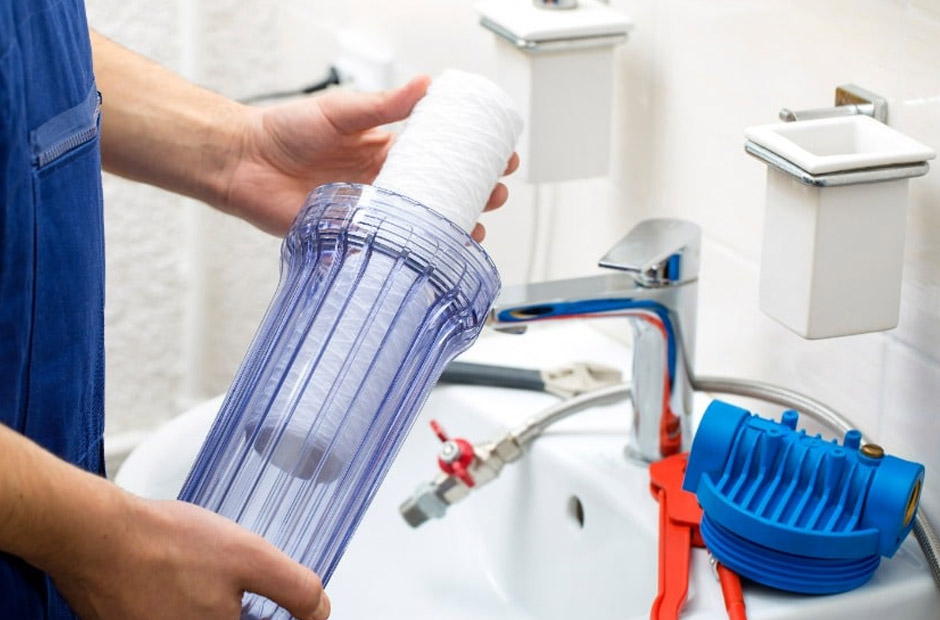
By trapping and removing impurities, chemicals, and contaminants from water, filters may, over time, experience clogging. As filters become clogged, water quality and pressure decrease. If you experience unpleasant odors or changes in taste, you need to replace your filter. Replacing filters at the recommended intervals helps enhance the system’s performance and longevity.
Schedule Professional Servicing
Hiring a professional technician to service your water purification system promotes its long-term efficiency. Professionals specialize in inspecting and cleaning hard-to-access internal components. Technicians check control valves, replace worn-out parts, and calibrate electronic controllers.
Some parts, such as system membranes, need to be replaced when they reach the end of their lifespan. For ultraviolet light purification components, such as lamps, maintenance tasks include replacing the bulb because its intensity decreases over time. Replacing the bulb facilitates more effective sterilization of bacteria.
As a water purification system is prone to sediment buildup, a professional can periodically flush it to dislodge any accumulation and minimize clogging. For a system that may have been inactive for an extended period, flushing helps clear accumulated bacteria from stagnant water. Some systems also have an automatic function that allows you to flush the system.
Monitor Water Pressure
A water purification system requires a specific water pressure range for it to operate optimally. Low water pressure could compromise the efficiency of purification systems, and high water pressure might lead to damage to internal components or filters. It helps to monitor water pressure; it should be within the manufacturer’s set limits. If your water pressure fluctuates regularly, installing a pressure regulator may help to safeguard your system from damage. This proactive measure allows you to extend the life of your water purifier.
Clean System Components
For reverse osmosis purification systems, performing regular cleaning helps contribute to the upkeep of water quality. By addressing the buildup of sediment, limescale, and potential microbiological growth, it may be possible to maintain a more consistent water output over time. Routine preventive maintenance can also support the overall condition of the system and help reduce the likelihood of issues arising that could affect its operation. Pay attention to the storage tank, tubing, and housings, and clean them as necessary. Attending to these areas helps reduce the presence of residual sediment and biofilm that could otherwise accumulate and impact the performance of new filters.
Occasional use of a food-grade sanitizer on internal components may assist in managing microbial presence within the system. Selecting cleaning agents designed for the system helps minimize the risk of harm to delicate components. Pay attention to O-rings, lubricating them as needed, and make sure that all threads and fittings are securely tightened. These small steps help contribute to smoother operation and maintain the system’s overall condition over time.
Identify Water Leaks
Maintenance routines for purification systems should include inspecting the unit for leaks. Regularly inspecting fittings, hoses, valves, and connections helps identify leaks and corrosion. When seals and rings also become loose, leaks may start to emerge. If these damaged components cause leaks, you will experience reduced water use efficiency. Addressing these issues quickly also helps prevent damage to surrounding home components, like walls and floors.
Get a Water Purification System
Proper maintenance of your purification system requires a proactive approach to identifying problems and monitoring performance. Some technicians specialize in assessing equipment components, backwashing, replacing worn-out parts, checking pressure gauges, and inspecting control valves to facilitate optimal system operation. Take care of your water purification unit to make sure it lasts as long as possible.