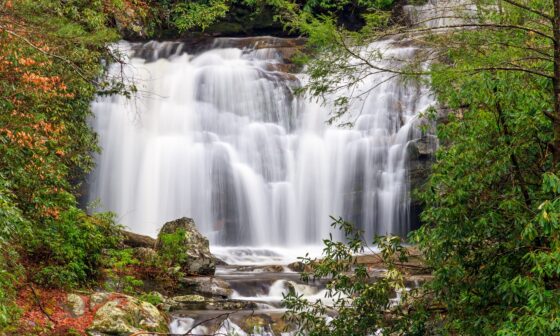
Going on a trip with relatives of all ages should be enjoyable rather than overwhelming. The Smoky Mountains provide stunning scenery, outdoor activities, and engaging entertainment, making them a fantastic destination for group vacations. However, without proper planning, keeping everyone comfortable and entertained can be a challenge. Choosing the right season, packing wisely, and selecting activities that suit different age groups can make the experience much smoother. With thoughtful preparation, spending time together in such a breathtaking location becomes even more rewarding.
Here’s how you can plan the perfect getaway with your family:
Choose the Right Time to Visit
Timing plays a significant role in how enjoyable a trip will be. While summer is a peak season, early spring and late fall offer a quieter atmosphere, cooler temperatures, and shorter wait times at popular sites. These seasons allow visitors to appreciate the surroundings without dealing with large crowds. Autumn, in particular, provides a beautiful display of changing leaves, while spring welcomes blooming wildflowers and pleasant hiking conditions.
Find the Best Accommodation for Your Group
Picking a place to stay can influence the entire trip. For those who prefer being close to nature without sacrificing comfort, Greenbrier Campground near the Smoky Mountains are a fantastic option. Their tent camping sites provide access to scenic hiking trails and essential amenities, making it easy to enjoy the outdoors without worrying about convenience. Located in the heart of the region, their facilities allow visitors to experience camping in the Smoky Mountains. This is a great way to enjoy the area’s beauty firsthand, making it a memorable experience for people of all ages.
Plan Age-Appropriate Activities
Not every activity will appeal to every age group, so selecting a mix of experiences ensures no one feels left out. Younger children may enjoy petting zoos, interactive museums, and amusement parks, while older kids and teenagers might prefer zip-lining, white-water rafting, or mountain biking. For adults and seniors, scenic drives, cultural experiences, and relaxed hikes offer enjoyable alternatives. A well-balanced itinerary helps keep energy levels up and boredom to a minimum.
Pack Smart for Comfort and Convenience
Packing efficiently prevents unnecessary stress. Comfortable clothing, sturdy shoes, and layers for changing weather conditions are must-haves. If traveling with younger kids, bring essentials such as strollers, baby carriers, and extra snacks. Having a first-aid kit, reusable water bottles, and portable chargers also adds convenience. A packing checklist ensures that everything needed for the trip is accounted for, eliminating last-minute scrambling.
Make Travel Time Enjoyable
Long drives or flights can be tough, especially for younger travelers. Keeping them engaged with audiobooks, music playlists, and interactive games helps pass the time. Frequent stops at scenic spots provide opportunities to stretch, take photos, and break up long stretches on the road. Packing favorite snacks and small toys for little ones keeps them content, while older individuals might appreciate access to books, podcasts, or downloaded shows.
Explore Entertainment and Recreational Options
A successful trip includes activities that keep everyone engaged. Parks with walking paths, interactive museums, and amusement centers provide excitement for different interests. Water-based activities like kayaking or tubing offer a refreshing way to spend the day, while guided tours provide insight into the area’s history and wildlife. Checking event calendars before the trip can help visitors find seasonal festivals, live music, and special exhibits.
Stay Safe During Outdoor Adventures
Outdoor activities are a highlight of any trip, but safety should always come first. Sticking to marked trails, bringing enough water, and dressing appropriately for the weather help prevent accidents. If hiking with younger kids or older individuals, choosing moderate paths with plenty of resting spots makes the experience more enjoyable. Carrying essentials like maps, a flashlight, and emergency supplies ensures preparedness for any situation.
Try Local Dining Options
Experiencing regional flavors is a great way to make a trip more memorable. Restaurants serving home-cooked meals, bakeries offering unique treats, and markets with fresh produce allow visitors to try something new. Many dining establishments offer kid-friendly menus and outdoor seating, making meals more comfortable for groups. Exploring different food spots also provides a break from packed schedules, giving everyone a chance to relax and refuel.
Capture the Best Moments
Taking photos and videos preserves memories long after the trip ends. Candid snapshots, group pictures, and scenic landscapes create lasting reminders of the experience. Journaling or letting kids draw what they enjoy most adds a creative touch. For those who want to take it a step further, creating a small scrapbook or digital photo album after returning home helps relive special moments.
Allow Time for Rest and Flexibility
A packed schedule can lead to exhaustion, especially for younger children or older individuals. Balancing structured activities with downtime ensures everyone has the energy to enjoy the trip. Simple moments like enjoying a peaceful morning outside, playing a board game in the evening, or taking a short walk before dinner allow for relaxation. Keeping the itinerary flexible also allows for spontaneous stops and unexpected discoveries.
Budget Wisely for a Stress-Free Experience
A well-planned budget prevents financial stress during a trip. Researching admission fees, meal costs, and activity expenses ahead of time helps avoid unexpected surprises. Many attractions offer discounts for children, seniors, or group bookings, making it worthwhile to check for promotions. Meal costs can be managed by balancing restaurant visits with simple, pre-packed meals or snacks. Setting aside extra funds for souvenirs or last-minute activities ensures there’s room for spontaneity without worrying about overspending.
Minimize Stress with Simple Daily Plans
Having a loose itinerary helps keep the group organized without making the trip feel rigid. Planning a couple of key activities each day while leaving room for adjustments allows for a relaxed pace. Using a shared digital planner or a simple written list helps everyone stay informed about the day’s schedule. Keeping plans flexible means there’s always time to explore something unexpected or take a much-needed break when necessary.
A well-planned trip makes all the difference when traveling with a diverse group. Choosing the right accommodations, preparing for outdoor activities, and including a mix of experiences keep everyone happy. Keeping plans flexible and allowing for rest helps avoid burnout. With the right approach, spending time together away from daily routines becomes an enjoyable and stress-free experience.