Key Takeaways
- Plan around how people will use the space before choosing finishes or décor.
- Build shade, drainage, lighting, airflow, and safe access into the original plan.
- Create flexible zones for meals, conversation, quiet time, activities, and serving.
- Select durable materials that suit the local climate and your maintenance routine.
- Prepare for changing weather with a clear shelter and communication plan.
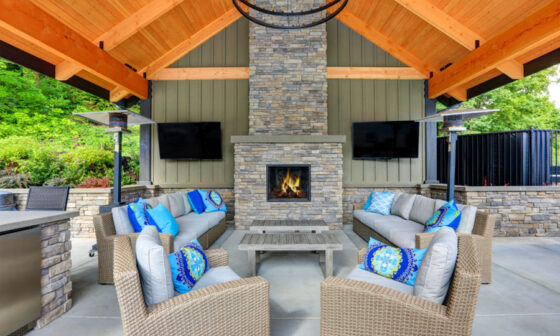
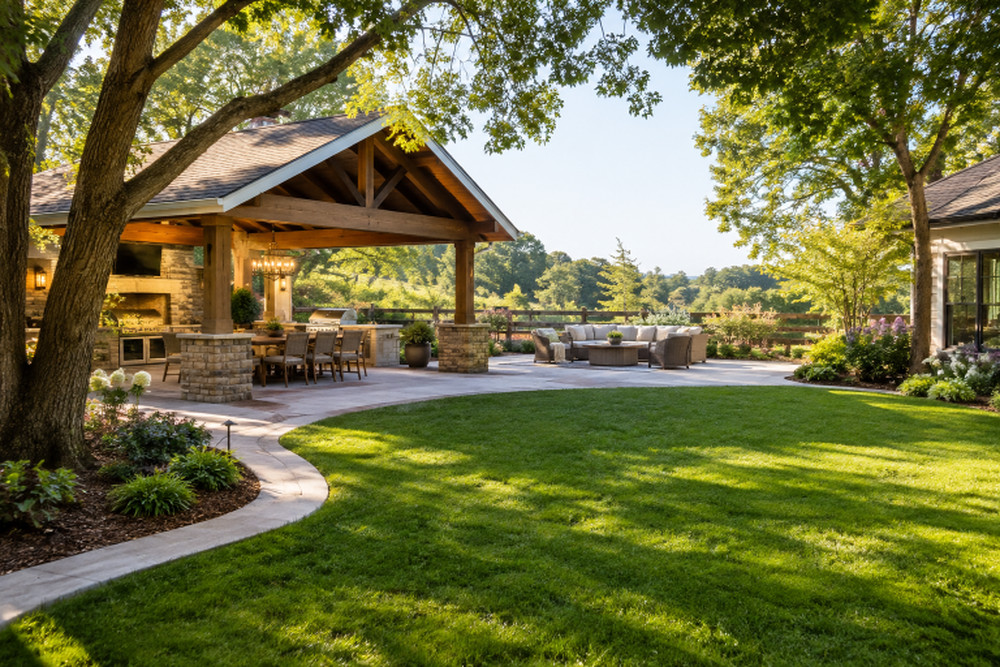
A welcoming outdoor gathering space does not need to be elaborate, but it should make everyday use feel easy. Whether the goal is family dinners, weekend cookouts, or a quiet place to unwind, starting with a practical layout helps every later decision make sense. Covered options such as Amish pavilion kits can provide a defined center for dining, seating, and seasonal entertaining.
The most successful spaces balance comfort with flexibility. They offer places to sit, room to move, protection from intense sun or light rain, and a layout that works for a few people on an ordinary afternoon as well as a larger group on a special occasion.
1. Start With Purpose
Begin by identifying the main job of the area. A space intended for outdoor meals needs room for a table, chairs, serving dishes, and clear walkways. A lounge area may need deeper seating, side tables, softer lighting, and a quieter location. Estimate the usual number of users, then consider the largest group you expect to host a few times each year.
Think ahead, too. Children may need open play space now, while future needs could include easier paths, more shade, or seating that is simpler to enter and leave. Purpose should guide the size, location, and furniture plan before decorative details are selected.
2. Choose The Right Location
Observe the proposed area in the morning, afternoon, and evening before committing to a design. Note where the sun falls, which direction the wind usually comes from, where rainwater collects, and how easily people can travel from the kitchen, restroom, storage area, or pool. A spot that feels pleasant over breakfast may be uncomfortably hot by late afternoon.
Also consider privacy and views. Position seating to face a garden, yard, or attractive feature when possible, rather than a driveway or neighboring windows. If privacy is limited, plantings, screens, or a carefully placed structure can create separation without closing off the whole yard.
3. Plan For Shade And Weather
Shade is a core comfort feature, not an afterthought. Mature trees, roofed structures, retractable coverings, umbrellas, and layered plantings can all reduce direct sun in the places people use most. The CDC recommends shade, protective clothing, and sunscreen as ways to lower exposure to ultraviolet rays while spending time outdoors, so design the seating and dining areas with sun protection in mind.
- Place reliable shade near dining tables and primary seating.
- Keep enough open area for airflow.
- Direct runoff away from furniture, entrances, and walking paths.
- Choose materials that will not be unpleasantly hot under direct sunlight.
- Keep a nearby indoor option available when rain becomes persistent.
4. Create Useful Zones
Breaking the space into activity zones makes it more organized and easier to use. These zones do not need permanent walls. Furniture placement, planters, changes in paving, rugs, or lighting can define one purpose from another.
- Dining zone: Use a level area with convenient access to food and drinks.
- Conversation zone: Arrange chairs so guests can comfortably see and hear one another.
- Quiet zone: Include a smaller spot for reading, relaxing, or private conversation.
- Activity zone: Preserve open ground for games, children, or movable seating.
- Service zone: Keep grills, coolers, storage, and waste containers accessible but outside main traffic paths.
5. Select Seating And Surfaces
Choose seating that matches the time people will spend outside. Chairs with supportive backs and armrests can be easier for many guests to use, while lightweight pieces offer flexibility when the group size changes. Removable cushions are practical when they can be stored during storms or extended periods of bad weather.
Surface choices should reflect drainage, heat, cleaning, traction, and upkeep. Concrete and pavers can create stable, firm walking surfaces. Gravel drains well but may shift underfoot. Wood offers a warm appearance but requires periodic care, while composite decking can reduce some maintenance needs. Test layouts with temporary chairs or tape before construction to confirm that paths and table clearances work.
6. Add Lighting And Utilities
Outdoor lighting should improve visibility without creating harsh glare. Use low-level fixtures near paths, steps, and changes in elevation. Add brighter task lighting near grills, counters, and serving areas, then use softer lighting around dining and conversation spaces. Aim fixtures downward and away from nearby windows.
Plan electrical needs before installation begins. Outlets in useful locations can support fans, phone charging, small appliances, speakers, or seasonal lights without relying on extension cords across walkways.
7. Include Comfort And Accessibility
Comfort improves when people can reach and use the space without unnecessary obstacles. Provide firm, stable paths from the house, limit abrupt level changes, and leave room to move around seated guests. Keep drinking water, shade, and restrooms reasonably close when possible. Clear lighting near corners and steps also makes evening gatherings easier to navigate.
Consider heat, insects, noise, and privacy as part of the experience. Fans, screens, plantings, and thoughtful seating placement can address these concerns while keeping the area open and inviting.
8. Build A Weather Safety Plan
A covered patio or pavilion can make a gathering more comfortable, but it is not necessarily a safe shelter during severe weather. The National Weather Service advises outdoor event organizers to monitor conditions, identify shelter locations in advance, establish communication methods, and decide what conditions will require postponement or cancellation.
- Check the forecast before guests arrive.
- Assign someone to watch for changing conditions.
- Tell guests where the sturdy enclosed shelter is located.
- Move people early if lightning, damaging winds, flooding, or other hazards develop.
- Resume activities only when conditions are safe.
9. Control Costs And Maintenance
Set priorities before purchasing materials or features. Start with must-haves such as safe access, shade, drainage, seating, and basic lighting. Next, consider practical upgrades like storage, fans, privacy screening, and flexible furniture. Decorative extras, built-in cooking features, heating, or entertainment systems can wait until the essential structure works well.
Compare long-term upkeep as well as purchase price. Consider how often each material needs cleaning, whether it may need seasonal protection, how it handles local weather, and how difficult it will be to repair.
10. Common Questions
How Much Space Is Needed For An Outdoor Gathering Area?
The right amount depends on the number of people, furniture size, cooking equipment, and required walking paths. Mock up the arrangement before building to see whether chairs can be pulled out and people can move comfortably.
What Is The Best Surface For An Outdoor Gathering Space?
There is no single best option. Choose based on local weather, drainage, budget, maintenance expectations, appearance, and the need for a stable walking surface.
How Can An Outdoor Space Stay Comfortable In Hot Weather?
Prioritize shade, airflow, drinking water, lighter-colored surfaces where appropriate, and gathering times that avoid the hottest part of the day.
How Can A Gathering Area Handle Sudden Rain?
Combine overhead coverage, good drainage, quick-drying furnishings, protected storage, and a nearby indoor backup area.
Conclusion
A comfortable outdoor gathering space is built around real routines rather than expensive decoration. When the layout supports daily activities, shade matches the sun, paths are easy to use, and weather plans are clear, the area becomes a dependable extension of the home for many seasons.