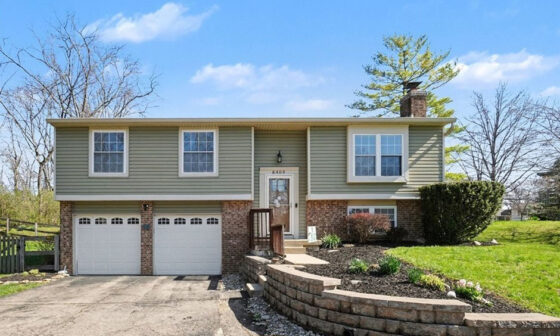
Choosing an asking price is one of the most consequential decisions you will make when selling a home. It affects who sees the listing, whether buyers schedule showings, the strength of offers, and how long the property may remain on the market. Before settling on a number, use current local evidence rather than relying on a single estimate or a hoped-for outcome.
A useful starting point is the Kelley Blue Book Homes seller hub, where homeowners can begin gathering a value range and local market information. Treat any valuation as a starting point, then test it against recent sales, the home’s condition, competing listings, and your financial goals.
Why Pricing Matters Before Listing
Your initial asking price establishes the first impression buyers receive from search results, alerts, and listing comparisons. A price that is difficult to justify can limit buyer attention to alternatives in the same range. At the same time, setting a low price without a clear strategy can create unnecessary pressure if the property does not attract the expected competition.
Consider two similar homes in the same neighborhood. One is priced in line with recent sales and is clean, well presented, and easy to compare with nearby listings. The other starts substantially above those sales despite needing visible updates. Even if both owners hope for the same final result, buyers may view the homes very differently because the starting prices frame their expectations.
Start With Local Market Research
National housing headlines are useful context, but they cannot price a specific street, school area, or type of home. Review recent nearby sales, average days on market, current inventory, price reductions, and active listings that a buyer would reasonably compare with yours. Housing conditions can vary across neighborhoods and price points, especially when affordability concerns influence negotiations and seller concessions, as recent reports on the housing market note.
Focus on the most recent information available when you list. A sale from several months ago may still be relevant, but it deserves less weight if inventory, competing listings, or buyer activity has changed. Ask whether homes similar to yours are receiving prompt interest, lingering without offers, or reducing their prices after launch.
Use Comparable Sales the Right Way
Comparable sales, often called comps, are recently sold homes that closely resemble yours. Strong comps are usually in the same neighborhood or a genuinely similar nearby area, and they match as closely as possible on size, age, lot, layout, parking, condition, and major features.
Separate Sold, Active, and Pending Homes
- Sold homes show what buyers recently agreed to pay.
- Active homes show your present competition, not proven value.
- Pending homes may signal demand, but their final prices are not yet public.
The highest nearby asking price is not automatically a useful benchmark. It may be aspirational, may include unusual features, or may simply be overpriced. Use a small set of strong matches instead of a long list of weak comparisons from different neighborhoods or property types.
Account for Condition and Updates
Condition can change how buyers compare homes that appear similar on paper. Consider the roof and exterior, kitchens and bathrooms, heating and cooling equipment, plumbing, electrical systems, flooring, paint, lighting, and overall cleanliness. Deferred maintenance, known defects, and unpermitted work can affect buyer confidence, inspections, financing, or negotiations.
You do not need to complete every possible project before listing. Prioritize issues that involve safety, functionality, visible wear, or a clear disadvantage relative to competing homes. Energy-saving improvements and documented permits can also be useful details when they are relevant to the home’s value and appeal.
Watch Buyer Demand and Competition
Demand does not move evenly across every segment of a local market. A home may have many competitors at one price but fewer at a slightly different price point. Buyers also consider total monthly costs, needed repairs, financing terms, and potential seller concessions, not just the list price. Review competing homes in person or online shortly before going live so your price reflects what buyers can choose today.
Calculate Expected Net Proceeds
The asking price is not the amount you keep. Build an estimated net sheet that includes your loan payoff, agent compensation or listing fees, transfer taxes, title or settlement charges, repair credits, buyer concessions, moving expenses, prorated taxes, and association fees where applicable.
Estimated Net Proceeds = Sale Price − Loan Payoff − Selling Costs − Credits − Pre-Sale Expenses
A higher offer is not always the better offer if it requires substantial credits, adds repair conditions, or creates a timeline that does not work for you. Compare the full terms before deciding. Closing and settlement expenses can vary by location and transaction details, so confirm expected costs with the professionals involved in your sale.
Choose a Pricing Strategy
- Market-based pricing: Set a price near the range supported by recent comparable sales.
- Competitive pricing: Choose a sharper number when many similar homes are available, and buyer attention is limited.
- Premium pricing: Price above typical comps only when the home has meaningful advantages, such as exceptional condition, scarce features, or a notably desirable location.
- Test-and-adjust pricing: Set a researched price and decide in advance when you will review performance after launch.
Avoid pricing from emotion, an old appraisal, a neighbor’s asking price, or the amount you need for your next purchase. Those factors may matter to your personal plan, but they do not determine how buyers will value the home.
Avoid Common Pricing Mistakes
Common errors include relying on a single online estimate, comparing homes across dissimilar neighborhoods, adding the full cost of renovations to the expected sale price, ignoring visible repairs, and choosing a number before reviewing current market competition.
Myth: A higher asking price automatically produces a higher final sale price.
Reality: Buyers generally compare the home with available alternatives and recent sales. A price needs evidence behind it to remain persuasive.
Know When to Adjust the Price
Review the listing if online interest is weak, showings do not produce offers, repeated feedback focuses on price or condition, or similar competing homes receive offers while yours remains quiet. A price change should be evidence-based. Recheck new sales, buyer comments, listing traffic, and competing inventory before adjusting.
Use a Pre-Listing Price Checklist
- Review recent nearby sales and comparable active listings.
- Identify major repairs, updates, permits, and condition concerns.
- Estimate selling costs and likely net proceeds.
- Choose a realistic price range supported by evidence.
- Decide which terms matter most, including timing, price, or fewer contingencies.
- Set a review date for the first days or weeks on market.
Before showings begin, use a consistent routine for cleaning, decluttering, securing valuables, and improving presentation. This seller checklist for preparing a home covers practical steps that can help the property feel orderly and ready for buyers.
Conclusion: Let the Evidence Set the Price
A smart asking price comes from current local evidence, not guesswork. Review comparable sales, account for the home’s condition, study the competition, and calculate what you are likely to keep after costs. A clear pricing plan can reduce surprises and help you make better decisions throughout the sale.