Key Takeaways
- An as-is sale means the property is offered in its present condition, subject to the purchase contract.
- Sellers can avoid certain repair and preparation costs, but buyers may factor in needed work when making their offers.
- Gig Harbor homes can differ significantly based on location, lot conditions, views, access, and maintenance history.
- Known property issues should be addressed honestly through the appropriate disclosure process.
- The strongest offer is not always the highest price. Financing, contingencies, closing costs, and timing also matter.
When you need to sell house quick in Gig Harbor, WA, an as-is sale can be a practical option. It may reduce the time, expense, and disruption involved in repairs, deep cleaning, staging, and repeated showings.
That said, selling as-is is not automatically the best choice for every property. A home near the harbor, in an established neighborhood, on a wooded lot, or with water-related features may attract a different buyer pool than a home that needs straightforward cosmetic work. The right path depends on your timeline, the property’s condition, and the expected net proceeds.
What an As-Is Home Sale Means
An as-is listing tells buyers that the seller does not plan to make repairs or improvements before closing. Buyers can still request inspections, depending on the agreement, and they may still negotiate after reviewing the home. The phrase does not mean that defects can be concealed or that contract and disclosure obligations disappear.
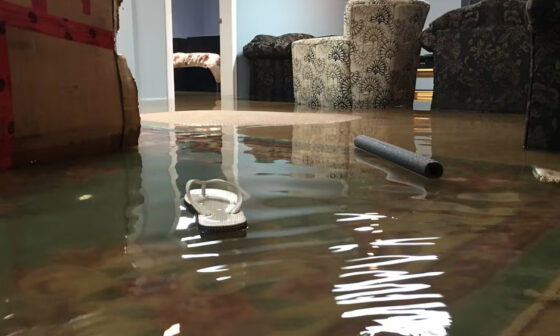
Owners often choose this route when selling an inherited house, a former rental, a property with deferred maintenance, or a home they need to leave quickly. It can also make sense when repairs would create more stress or expense than the seller is prepared to take on.
Local Conditions to Consider
Before choosing a strategy, compare current listings, competing home conditions, and recent activity in the immediate area. Sellers weighing whether to sell my house fast in Tacoma, WA, may also benefit from recognizing that nearby markets can have different buyer expectations, even when the properties are only a short drive apart.
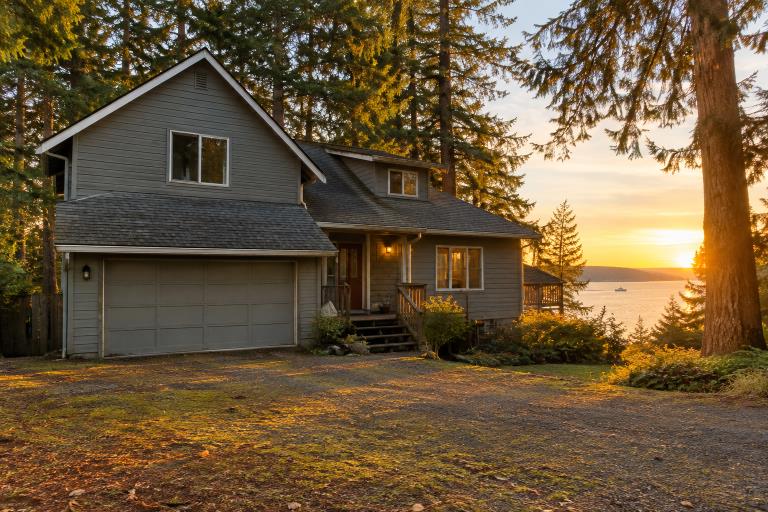
Gig Harbor sits on Puget Sound in Pierce County, and its waterfront setting, harbor access, and connection to the Tacoma area shape how many buyers evaluate location. The city’s location on Gig Harbor Bay and its proximity to Tacoma across the Narrows Bridge are part of its local identity, as described by the City of Gig Harbor. A realistic price should account for the home’s specific neighborhood and condition rather than broad regional headlines.
Property Factors to Review
Walk through the home and lot with a buyer’s questions in mind. Waterfront or water-view properties may require attention to docks, bulkheads, drainage, shoreline conditions, decks, and exterior exposure. Other homes may have concerns involving roof age, crawl spaces, foundations, siding, plumbing, or electrical systems.
Also identify practical details that can affect inspections and buyer confidence: septic or sewer information, well records where applicable, easements, driveway access, slopes, mature trees, and permits for past work. For rental homes, collect lease information and confirm how tenant occupancy could affect access, possession, or closing.
Three Ways to Sell
- Traditional listing: This approach can provide broad exposure, but it often involves preparation, showings, buyer financing, and repair negotiations.
- As-is listing: You market the home on the open market while making it clear that no improvements are planned. It may still involve inspections and buyer contingencies.
- Direct sale: A direct buyer may offer a simpler process and flexible timing, but sellers should carefully review the price, proof of funds, closing costs, and contract terms.
Repairs Worth Considering Before Selling
Not every issue deserves a renovation budget. Start with safety hazards, active leaks, broken utilities, or conditions that could prevent a buyer from fully evaluating the property. Smaller steps, such as removing clutter, improving exterior access, replacing failed light fixtures, or fixing a minor plumbing leak, may make the home easier to show without turning the sale into a major project.
A Simple Repair Checklist
- Will the work resolve a serious concern for most buyers?
- Can it be completed before your desired closing date?
- Is the likely benefit greater than the cost and inconvenience?
- Will you have permits, invoices, warranties, or contractor information available afterward?
For major structural, roofing, sewer, or shoreline-related work, obtain written estimates before committing. This gives you a clearer basis for deciding whether to repair, disclose the issue, adjust the price, or seek an offer that accepts the condition.
Documents to Gather
Early document collection can prevent delays once an offer arrives. Keep mortgage payoff details, recent tax information, title records, HOA documents, surveys, permits, warranties, and invoices for completed repairs. Add septic, well, drainage, dock, or shoreline records when they apply. Inherited properties may require probate paperwork, while rental properties may require leases, deposits, and tenant communication records.
Washington Disclosure and Legal Considerations
As-is language does not replace Washington’s residential property disclosure requirements. The state’s real property transfer disclosure laws describe when a seller disclosure statement is required, when exceptions may apply, and the information the form addresses. Complete documents carefully and based on actual knowledge.
Unusual ownership, probate, foreclosure, boundary, lien, or title issues deserve qualified guidance. A real estate attorney, escrow professional, or other appropriate adviser can help explain how those facts affect a specific transaction. General information cannot replace advice tailored to your contract and circumstances.
How to Compare Offers
Evaluate the full package, not just the purchase price. Compare earnest money, financing or proof of funds, inspection rights, appraisal terms, requested repair credits, closing-cost requests, personal property, possession date, and contingency deadlines. Then estimate your net proceeds after mortgage payoff, liens, taxes, commissions or other agreed fees, repairs, and closing charges.
Preparing for Closing
After accepting an offer, respond promptly to escrow and title requests. Resolve known liens or ownership questions early, confirm the agreed closing date, and plan for utilities, insurance, keys, garage remotes, and removal of personal belongings. Review the settlement statement before signing so the final figures match your understanding of the agreement.
Common Questions From Gig Harbor Sellers
Can I sell a home that needs major repairs?
Yes. Sellers can market a property that needs substantial work, but the price and terms should reflect its condition and the likely buyer’s costs.
Does selling as-is always mean accepting less money?
Not necessarily. It means buyers know repairs are not planned, so they may account for condition, risk, and future work in their offers.
How quickly can an as-is sale close?
The timeline depends on title readiness, buyer funding, inspections, contract contingencies, and the availability of everyone involved in closing.
Conclusion
Selling a house as-is in Gig Harbor, Washington can offer a more manageable path when repairs, timing, or property complexity make a conventional sale difficult. Compare your options honestly, prepare the necessary records, disclose known concerns, and focus on realistic net proceeds. A well-reviewed offer with workable terms can be more valuable than a higher number that carries unnecessary uncertainty.