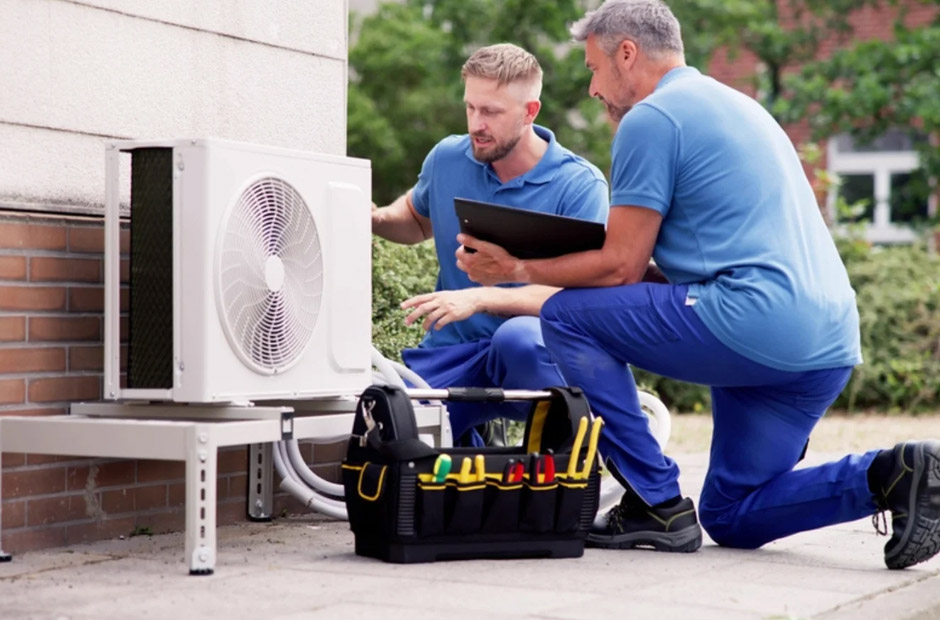
Whether you are replacing an old HVAC unit or installing a new one, proper planning helps streamline the process. As professional installers handle the technical work, there are several steps you can take to promote a smooth heating installation. From scheduling the initial inspection to working with certified professionals, your involvement helps create an efficient workflow and optimal results. Here are some details on how you can support a seamless installation:
Schedule a Pre-Installation Assessment
During a pre-installation visit, HVAC professionals evaluate factors such as your house’s square footage, number of windows, ceiling height, and insulation type. These features help them understand how your home retains or loses heat. They may also examine your existing system, ductwork, and other factors likely to affect heating needs.
The pre-installation assessment serves as a consultation stage where you discuss heating issues within your home. You can talk about energy priorities, comfort concerns, and other related problems. Technicians then use the information gathered to perform a load calculation, and this value helps identify the right system for your needs. You can also ask questions regarding installation expectations and timelines during this appointment. This step is helpful if you have limited space for the new unit or are planning an upcoming renovation.
Select the Right HVAC System
Based on the assessment findings, your contractor offers a personalized proposal for an HVAC system that meets your needs. This professional input helps narrow down your selection to what aligns with your home’s actual heating demands. A system selected through this process may be more likely to integrate smoothly with existing components and meet performance expectations.
An oversized unit tends to cycle on and off more frequently, which causes uneven heating and increased wear on components. Undersized systems often struggle to maintain the desired indoor temperature, straining their components. Improper sizing may also lead to inefficient energy use and the need for adjustments after installation.
Prepare Your Home for Installation
Clear the HVAC work areas of any personal items, and cover nearby furniture to protect it from possible dust and debris. Plan how to safely keep pets and children out of the work zone during installation. Preparing for system downtime allows you to arrange temporary heating if needed. Preparation also includes planning where contractors can safely park their vehicles. Determine whether someone will be available to provide access to equipment locations and answer questions that come up during the HVAC installation.
Schedule Installation With HVAC Experts
Working with experienced contractors contributes to a smooth installation process. When choosing an installer, ask about the types of HVAC systems they work with, such as electric, propane, or natural gas. Find out whether they provide installation services only or if they also offer ongoing maintenance. Gathering this information helps you identify a provider who suits your project needs.
When planning for the heating installation, speak with the technicians about the project’s scope, timing, and expected duration. Ask how long the system will be offline and what to expect each day if the work involves multiple visits. It’s also helpful to understand how emergencies, such as unexpected structural issues, are managed, since they can affect scheduling and deadlines. With these details in hand, you’re able to plan more effectively and minimize unnecessary disruptions.
After the installation, the technicians should teach you how your new system operates. Use this time to ask questions about the thermostat settings, care and maintenance requirements, and basic troubleshooting. Keeping proper documentation from the heating installation also provides a useful reference for future maintenance and service needs.
Plan Your Heating Installation
Planning your heating installation supports better system performance and indoor comfort. A properly installed unit can also improve energy efficiency and reduce maintenance issues. To get the most from your unit after installation, schedule regular inspections to identify potential problems early. Contact a reputable contractor today to get started with your HVAC installation.