Identifying Physical ED Symptoms and Systemic Health Links
When we talk about erectile dysfunction, look beyond the immediate sexual impact and understand its profound connection to overall health. Physical ED symptoms are often not isolated issues but rather indicators of underlying systemic conditions that affect the body’s intricate systems responsible for achieving and maintaining an erection.
At its core, a healthy erection relies on robust blood flow to the penis. This is why vascular ED is the most common type, frequently signaling issues within the cardiovascular system. Conditions like atherosclerosis (hardening of the arteries), hypertension (high blood pressure), and diabetes mellitus can severely compromise the blood vessels, including the smaller arteries that supply the penis. Indeed, providers and medical researchers estimate that erectile dysfunction affects over 50% of males between the ages of 40 and 70, and many of these cases have a vascular component. The link is so strong that ED is often considered an early warning sign for more serious cardiovascular issues, with penile arteries being smaller than coronary arteries, meaning blockages can manifest as ED years before causing heart-related symptoms.
Differentiating Physical and Psychological Causes
One of the most critical steps in addressing ED is determining whether its roots are primarily physical or psychological. While both can contribute, understanding the distinction guides effective treatment.
We often look for several key indicators:
- Morning Erections:A strong sign of physical health is the presence of spontaneous erections, particularly upon waking. If a man consistently experiences morning erections or can achieve an erection during masturbation but struggles with a partner, it strongly suggests a psychological component, such as performance anxiety. Conversely, a complete absence of morning or spontaneous erections, regardless of the situation, points more definitively to a physical cause.
- Gradual Onset:Physical ED typically develops gradually over time. It’s not usually a sudden occurrence but a slow decline in erectile quality and consistency. This contrasts with psychological ED, which can often appear abruptly, sometimes linked to a specific stressful event or relationship issue.
- Situational Consistency:If erectile difficulties are present in all situations—during partnered sex, masturbation, and even spontaneous arousal—it’s highly indicative of a physical problem. Psychological ED, however, often varies; a man might experience difficulty with one partner but not another, or during stressful periods but not when relaxed.
- Neurological Disorders:Beyond vascular issues, neurological conditions like multiple sclerosis, Parkinson’s disease, or spinal cord injuries can impair the nerve signals necessary for an erection. Severe head injuries, for instance, are associated with a 15-25% rate of developing erectile dysfunction. Reduced sensation in the genital area can also be a red flag for nerve damage.
- Hormonal Imbalances:Low testosterone (hypogonadism) can impact libido and erectile function. While less common as a sole cause of ED, hormonal checks are a standard part of a comprehensive diagnostic process.
When these physical indicators are present, it prompts a deeper investigation into the body’s physiological functions.
Diagnostic Breakthroughs in Advanced Urology Services
Accurate diagnosis is the cornerstone of effective ED treatment. Modern urology has made significant strides in identifying the precise physical causes of erectile dysfunction, moving beyond simple questionnaires to sophisticated diagnostic tools.
Our diagnostic process often begins with a thorough medical and sexual history, including a review of current medications and lifestyle factors. This is followed by a comprehensive physical examination and blood tests to check for conditions like diabetes, high cholesterol, and low testosterone.
For a more in-depth understanding of penile blood flow, we utilize advanced techniques such as:
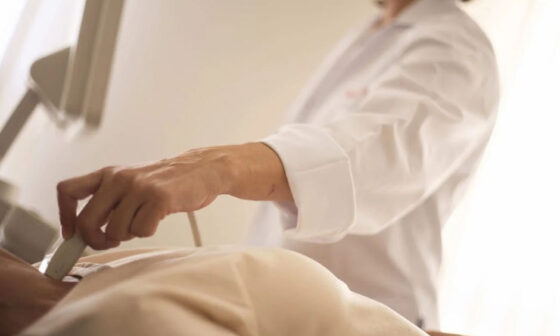
- Penile Doppler Ultrasound:This non-invasive test uses sound waves to visualize blood flow in the penile arteries, assessing both arterial inflow and venous leakage. It helps us identify vascular issues that impede erection.
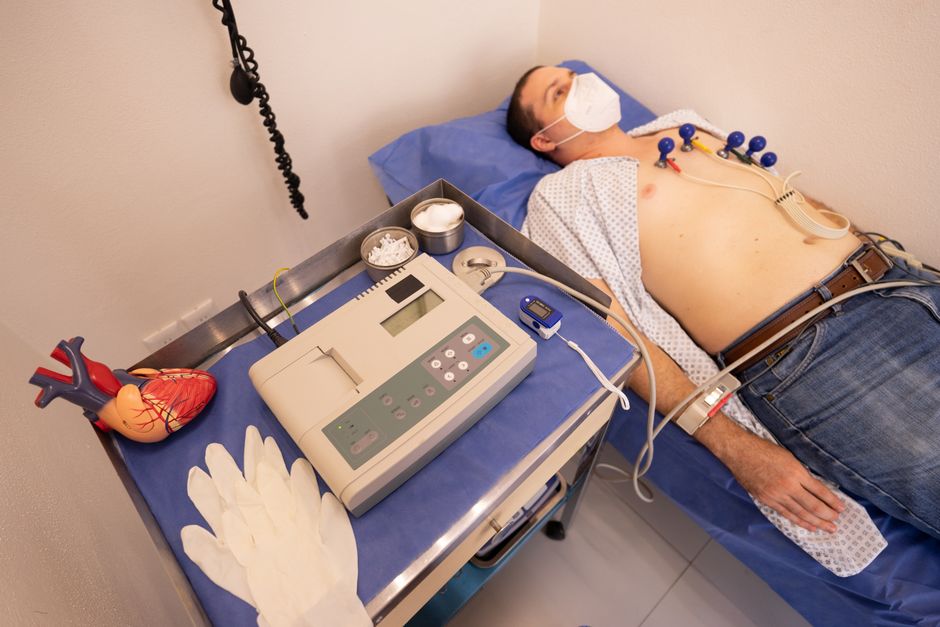
- Cardiovascular Screening:Given the strong link between ED and heart health, we often recommend a broader cardiovascular assessment. This might include blood pressure monitoring, lipid panels, and sometimes even cardiac stress tests, as ED can be the first sign of underlying heart disease.
- Biothesiometry:This test measures penile sensitivity, helping to detect nerve damage that could be contributing to ED.
- Nocturnal Penile Tumescence (NPT) Testing:Also known as a “sleep study for erections,” this involves monitoring erections during sleep. Since healthy men typically have 3-5 erections during REM sleep, the presence of these nocturnal erections can indicate a psychological cause, while their absence points to a physical issue.
These diagnostic tools, combined with a detailed understanding of a patient’s health profile, allow us to tailor treatment plans precisely. For those seeking comprehensive and personalized urology services to address erectile dysfunction, advanced diagnostic capabilities are paramount to identifying the root cause and guiding the most effective path forward.
Modern Treatment Pathways in Advanced Urology Services
The landscape of erectile dysfunction treatment has evolved dramatically. What was once a source of silent suffering is now a highly treatable condition, thanks to ongoing research and technological advancements. Our goal is not just to restore erectile function but to improve overall quality of life, focusing on both efficacy and patient satisfaction.
From lifestyle adjustments to cutting-edge surgical procedures, the range of options available today reflects a commitment to personalized care. We’ve seen a significant shift towards less invasive, more targeted therapies, alongside continued refinement of established methods. Patient satisfaction is a key metric for us, and the good news is that many men find successful solutions that allow them to regain confidence and intimacy.
Minimally Invasive Options and Advanced Urology Services
One of the most exciting areas in modern urology is the development of minimally invasive treatments that offer effective solutions with fewer side effects and shorter recovery times.
- UroLift System:While primarily used for benign prostatic hyperplasia (BPH), it’s worth noting that some prostate treatments can impact erectile function. Innovations like the UroLift system for BPH are designed to relieve symptoms without the sexual side effects often associated with other prostate procedures, highlighting a broader trend towards preserving sexual health.
- Shockwave Therapy (Li-ESWT):Low-intensity extracorporeal shockwave therapy (Li-ESWT) is a non-invasive treatment gaining traction for vascular ED. This therapy uses targeted sound waves to stimulate the growth of new blood vessels and break up micro-plaque in the penis, improving blood flow and promoting tissue regeneration. It’s a promising option, particularly for men who don’t respond well to oral medications, with results often seen after several weeks of treatment.
- Pelvic Floor Muscle Exercises:Often overlooked, strengthening the pelvic floor muscles can significantly improve erectile function, particularly in cases of mild ED or as an adjunct to other therapies. These exercises help improve blood flow and maintain rigidity.
Pharmacological and Mechanical Interventions
For many years, medication and mechanical devices have formed the backbone of ED treatment, continuously improving in efficacy and patient acceptance.
- PDE-5 Inhibitors:Oral medications like sildenafil (Viagra), tadalafil (Cialis), vardenafil (Levitra), and avanafil (Stendra) are often the first line of treatment. These PDE-5 inhibitors work by relaxing the smooth muscles in the penis and increasing blood flow during sexual stimulation. They are effective for at least two-thirds of cases, and for faster absorption, they are often taken on an empty stomach. However, it’s crucial to avoid them if using nitrate-based medications, and to limit intake to one tablet per 24-hour period.
- Alprostadil Injections and Urethral Suppositories:For men who do not respond to oral medications or cannot take them, alprostadil offers another option. Administered as a direct injection into the side of the penis (intracavernous injection) or as a small pellet inserted into the urethra (urethral suppositories), alprostadil directly induces an erection by relaxing smooth muscle and increasing blood flow. Injections have shown success in 85 out of 100 men who didn’t respond to PDE-5 inhibitors, while urethral suppositories are successful for up to two-thirds of men.
- Vacuum Pumps:These mechanical devices create a vacuum around the penis, drawing blood into the shaft to create an erection. A tension ring is then placed at the base of the penis to maintain the erection for up to 30 minutes. Vacuum pumps are a non-pharmacological option successful in nine out of 10 men, regardless of the cause of their ED.
Surgical Solutions and Penile Implants
For severe cases of ED where other treatments have been unsuccessful, surgical options, particularly penile implants, offer a highly effective and satisfying solution.
- Penile Implants:This involves surgically placing inflatable or malleable rods into the penis. Inflatable implants allow for a more natural erection and flaccid state, controlled by a small pump placed in the scrotum. Malleable implants keep the penis semi-rigid, allowing for positioning as needed. Penile implants boast a high satisfaction rate, with around three-quarters of men reporting being satisfied with the results. This option provides a permanent and reliable solution for many men with chronic, severe ED.
Lifestyle Modifications and Preventative Care
While advanced medical treatments offer significant relief, we consistently emphasize that lifestyle plays a crucial role in both preventing and managing erectile dysfunction. Many physical causes of ED are directly linked to overall cardiovascular health, which can be profoundly influenced by daily habits.
- Cardiovascular Exercise:Regular physical activity, especially vigorous cardiovascular exercise like brisk walking, jogging, swimming, or cycling, is a powerful tool against ED. Engaging in at least 45 minutes of such activity three times a week can significantly improve blood flow, strengthen the heart, and even reverse mild ED symptoms. This is because exercise helps reduce inflammation, improve endothelial function (the health of blood vessel linings), and manage weight, all of which are critical for healthy erections.
- Dietary Habits:What we eat directly impacts our vascular health. A heart-healthy diet rich in fruits, vegetables, whole grains, and lean proteins, while low in saturated fats, trans fats, and processed foods, can prevent or manage conditions like diabetes, high cholesterol, and obesity—all major contributors to physical ED. Adopting a Mediterranean-style diet, for instance, has been shown to improve erectile function.
- Smoking Cessation:Smoking is a significant risk factor for atherosclerosis, narrowing blood vessels throughout the body, including those supplying the penis. Quitting smoking can lead to noticeable improvements in erectile function over several months, as blood vessels begin to heal.
- Alcohol Reduction:While moderate alcohol consumption might not directly cause ED, excessive or chronic alcohol use can damage blood vessels, nerves, and liver function, all of which can contribute to erectile difficulties. Reducing alcohol intake can improve overall health and, consequently, erectile function.
- Cycling Adjustments:Interestingly, cycling for more than three hours per week can contribute to ED due to prolonged pressure on the perineum, which can compress nerves and blood vessels. Taking breaks, adjusting seat position, or using a specialized saddle can mitigate this risk.
Incorporating these lifestyle changes is not just about treating ED; it’s about embracing a holistic approach to health that benefits every aspect of your well-being.
Here’s a quick comparison of physical versus psychological ED characteristics:
Feature Physical ED Psychological ED Onset Usually gradual, develops over time Often sudden, can be linked to specific events Morning Erections Absent or significantly reduced Usually present, especially upon waking Situational Consistency Occurs in all situations (with partner, masturbation) Varies by situation (e.g., with one partner but not another) Associated Symptoms Often accompanied by other health issues (e.g., heart disease, diabetes) Often linked to stress, anxiety, depression, relationship issues Response to Stimulation May require excessive stimulation, or no response May respond to direct stimulation, but difficulty maintaining Underlying Cause Vascular, neurological, hormonal, anatomical Performance anxiety, stress, depression, relationship conflict Frequently Asked Questions about Erectile Dysfunction
We understand that navigating the complexities of ED can bring many questions. Our goal is to provide clear, clinical guidance and patient education to empower individuals in their journey toward better urological health.
How do doctors determine if ED is physical or psychological?
As discussed, doctors employ a multi-faceted approach. A detailed medical and sexual history is crucial, exploring the onset, duration, and consistency of symptoms. Key questions revolve around the presence of nocturnal tumescence (morning erections), the situational consistency of the problem (does it happen every time, or only in specific circumstances?), and the speed of symptom onset. Physical examinations and blood tests rule out underlying conditions like diabetes, heart disease, and hormonal imbalances. If physical causes are largely ruled out, or if symptoms align with patterns like sudden onset and retained morning erections, a psychological assessment may be recommended to explore factors such as stress, anxiety, depression, or relationship issues.
Can lifestyle changes like exercise reverse mild erectile dysfunction?
Absolutely. For many individuals, especially those with mild to moderate ED linked to cardiovascular risk factors, lifestyle changes can be incredibly effective. Regular aerobic training significantly improves blood flow throughout the body, including to the penis. Studies show that consistent vigorous exercise can reverse mild ED symptoms over several months. Quitting smoking, reducing excessive alcohol intake, adopting a heart-healthy diet, and maintaining a healthy weight are all powerful preventative habits that directly impact erectile function by improving vascular health. These changes often serve as a first-line approach, sometimes even before medication.
When does an erection become a medical emergency?
While the inability to achieve or maintain an erection is the primary symptom of ED, there is a specific and critical situation that requires immediate emergency medical attention: priapism. This is a painful erection that lasts longer than two to four hours and is not related to sexual arousal. Priapism can occur as a side effect of certain medications, including some ED treatments, or be associated with conditions like sickle cell anemia. If you experience priapism, it is essential to go to the nearest emergency room without delay. Prolonged priapism can lead to permanent damage to the erectile tissues of the penis, making future erections difficult or impossible. Recognizing these priapism symptoms and seeking prompt emergency care within the recommended duration limits is vital to prevent long-term complications.
Conclusion
Erectile dysfunction, while a sensitive topic, is a common and highly treatable medical condition that warrants our full attention. We’ve explored how understanding the physical ED symptoms is not just about sexual health, but often about recognizing critical warning signs for broader systemic issues like cardiovascular disease, diabetes, and neurological disorders. It’s a powerful reminder that our bodies are interconnected, and a problem in one area can signal distress elsewhere.
We firmly believe in proactive care—encouraging men to overcome any stigma and seek professional medical advice if they experience persistent erection difficulties. The diagnostic tools and advanced treatment options available today, from sophisticated imaging and blood tests to minimally invasive therapies, oral medications, and surgical solutions, offer hope and effective pathways to recovery for a vast majority of men.
By focusing on accurate diagnosis, personalized treatment plans, and emphasizing the profound impact of lifestyle modifications, we can significantly improve health outcomes and restore not just erectile function, but also confidence, intimacy, and overall well-being. Don’t let embarrassment stand in the way of your health; early intervention is key to a healthier, more fulfilling life.